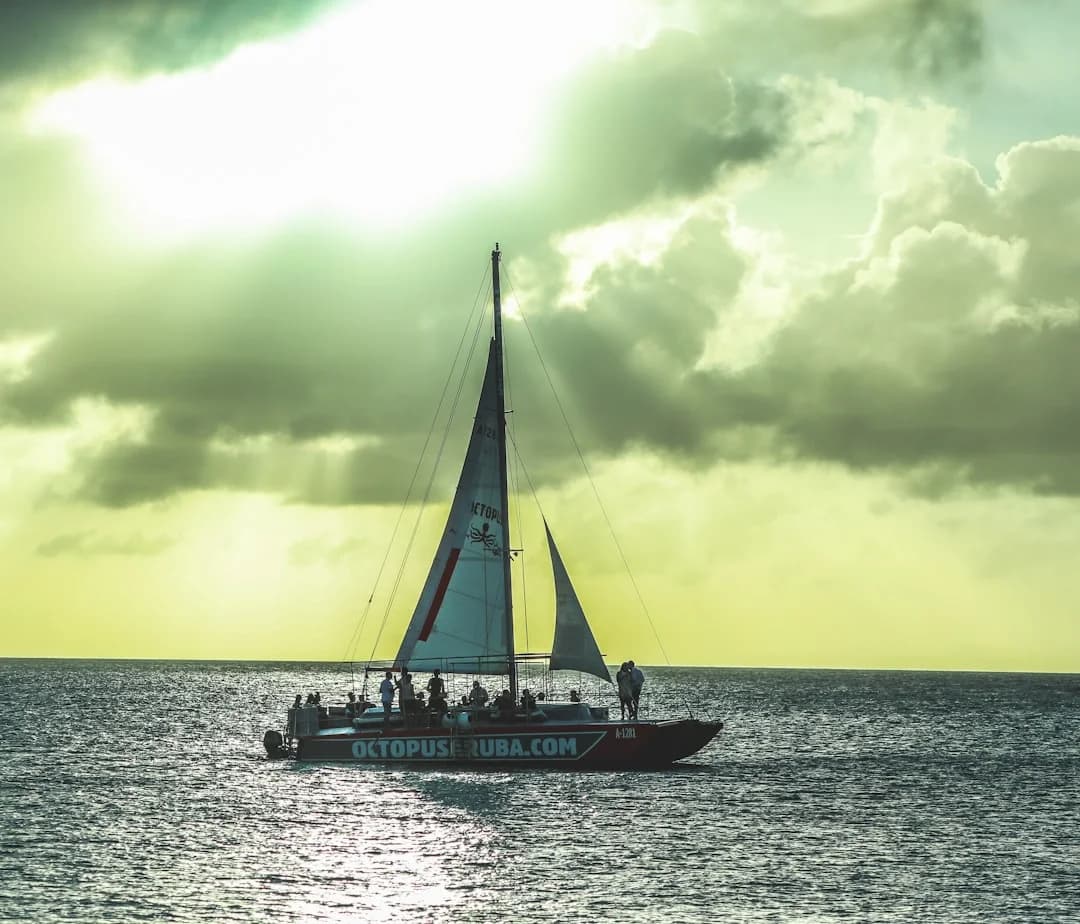
The Caribbean sailing season runs from November through May — but that six-month window hides enormous variation. December and January bring perfect trade winds but Christmas pricing. June is surprisingly good if you stay south. August through October is genuinely dangerous in the hurricane belt. Picking the right month means balancing wind, weather, crowds, costs, and hurricane risk.
This isn't a vague "winter is best" guide. Here's what each month actually looks like — wind speed, sea state, rainfall, hurricane probability, and what it costs — so you can pick the window that matches your priorities.
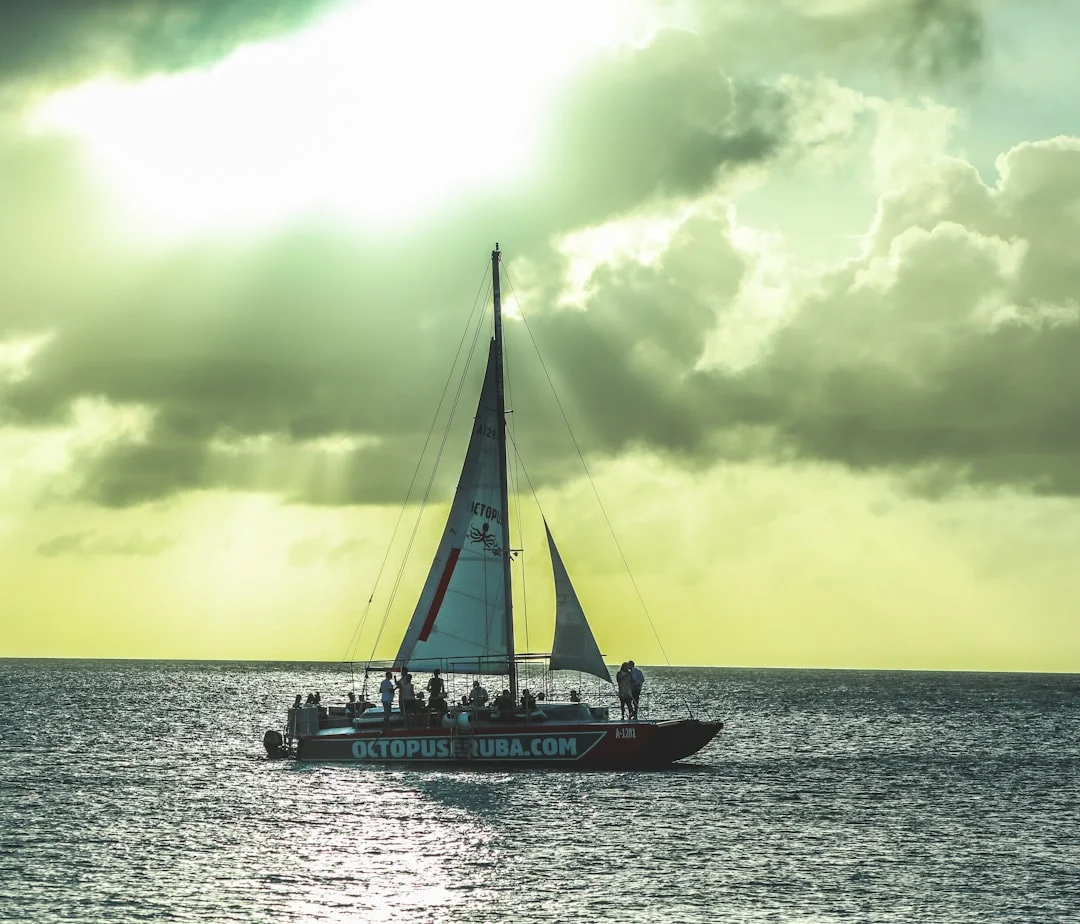
Photo by Lex Melony on Unsplash
The Trade Wind Season: November Through May
The northeast trade winds — the engine that drives Caribbean sailing — blow most consistently from November through April, averaging 15–20 knots from the east-northeast. This is when the sailing is best: steady beam reaches between islands, predictable weather patterns, and warm but not oppressive temperatures.
November — Season Opener
| Factor | Rating |
|---|---|
| Wind | 12–18 knots ENE, building through the month |
| Sea state | 3–5 ft, manageable |
| Rain | Moderate — tail end of wet season |
| Hurricane risk | Low but not zero (season officially ends Nov 30) |
| Crowds | Low |
| Charter cost | Shoulder season — 20–30% below peak |
| Verdict | Excellent value. Wind filling in, prices haven't peaked |
November is the sweet spot for budget-conscious sailors. The trade winds are establishing, the last hurricanes are rare south of the USVI, and charter prices haven't hit the December premium. The Grenadines and southern Windwards are the safest bets — they sit below the main hurricane corridor.
Watch out for: the occasional late-season tropical disturbance. Check long-range forecasts before committing. Historically, only 1–2 named storms form in November, and most track west of the main sailing areas.
December — Peak Begins
| Factor | Rating |
|---|---|
| Wind | 15–22 knots ENE, consistent |
| Sea state | 4–6 ft, some larger swells |
| Rain | Low — dry season starting |
| Hurricane risk | Essentially zero |
| Crowds | High (Christmas/New Year) |
| Charter cost | Peak — Christmas week is the most expensive week of the year |
| Verdict | Great sailing, but expensive and crowded |
The trades are locked in by mid-December. Sailing conditions are excellent — steady wind, blue skies, warm water (26–28°C). But December 20–January 5 is the most expensive two weeks in Caribbean sailing. A 42-foot catamaran in the BVI that costs $6,000/week in November costs $12,000–$15,000 for Christmas week. Book 12+ months ahead.
If you can sail the first two weeks of December (before Christmas pricing kicks in), you get peak-season conditions at shoulder-season prices.
January — The Sweet Spot
| Factor | Rating |
|---|---|
| Wind | 15–22 knots ENE, strongest month |
| Sea state | 5–7 ft, can be bumpy in open channels |
| Rain | Very low — driest month |
| Hurricane risk | Zero |
| Crowds | Moderate–high |
| Charter cost | High (post-Christmas but still peak) |
| Verdict | Best sailing conditions of the year |
January consistently delivers the strongest, most reliable trade winds. 18–22 knots day after day, blue sky, almost no rain. The channels between islands (particularly Anegada Passage, St. Vincent Passage) can build significant swells — 6–8 feet in open water — so less experienced crews should stick to the more sheltered BVI or Grenadine island hops.
This is when the ARC+ fleet arrives in the Caribbean after crossing the Atlantic. If you're planning your own crossing, check our Atlantic crossing guide for timing and route details.

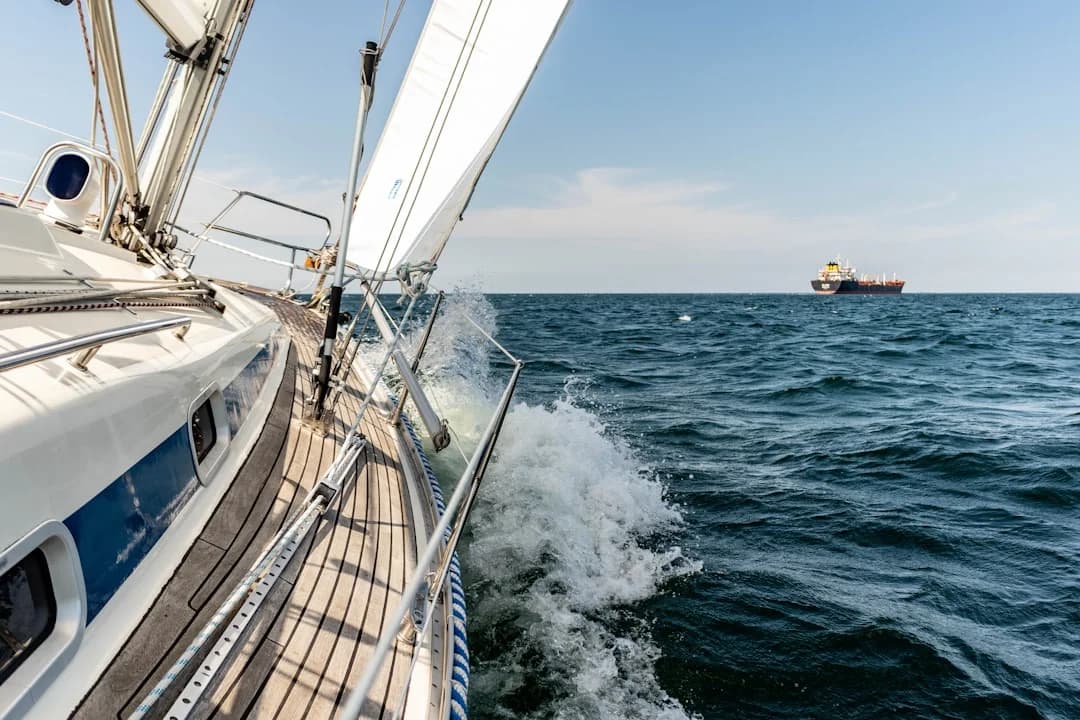
Photo by Robert Anitei on Unsplash
February–March — Still Prime
Wind stays at 15–20 knots, rain is minimal, water is clear. February is slightly less crowded than December/January, and charter prices drop 10–15% from peak. March sees the first hint of the trade winds weakening — still excellent sailing, but the most consistent days are behind you.
Carnival: Depending on the island, February or March brings Carnival celebrations — Trinidad's Carnival (February/March) is the Caribbean's biggest, and sailing there for it is a bucket-list experience.
April — Transition Month
| Factor | Rating |
|---|---|
| Wind | 12–18 knots, becoming variable |
| Sea state | 3–5 ft, calmer |
| Rain | Increasing |
| Hurricane risk | Zero |
| Crowds | Low |
| Charter cost | Shoulder season — 20–40% below peak |
| Verdict | Good value, acceptable conditions |
The trades are fading. Some days you'll motor. Others you'll have perfect 15-knot sailing. Rain squalls become more frequent, usually short (20–30 minutes) and welcome on hot days. Prices drop significantly, and anchorages that were packed in January have room to spare.
April is good for the southern Caribbean — Grenadines, Grenada, Trinidad — where the conditions stay more consistent than further north.
May — End of Line
Trades are unreliable. 8–15 knots some days, calm the next. Rain increases, humidity climbs. The first tropical waves of the season start rolling off the African coast (though they're weeks from developing into anything). Charter companies begin repositioning boats for storage.
Only recommended for experienced sailors in the southern islands (south of 12°N) who don't mind motoring. Prices are the lowest of the year — 40–50% off peak for whatever boats are still available.
Hurricane Season: June Through November
The Rules
- Official hurricane season: June 1 – November 30
- Peak danger: August 15 – October 15 (85% of major hurricanes form in this window)
- The insurance line: most marine insurers require boats to be south of 12°N or in a designated hurricane hole during the season
- Safe zone: Grenada, Trinidad & Tobago, Bonaire, Curacao, Aruba, and the ABC islands are generally below the hurricane belt
Can You Sail the Caribbean in Summer?
Yes — if you stay south. Grenada, Trinidad, and the ABCs are viable year-round destinations. The wind is lighter (10–15 knots), the rain is heavier, and you need to watch the weather obsessively. But you'll have anchorages entirely to yourself, prices are rock-bottom, and the diving is often better (calmer water, better visibility).
Never be in the northern Caribbean (BVI, USVI, Antigua, St. Martin) during peak hurricane season without a solid hurricane plan. Even with modern forecasting, a Category 4 hurricane gives you 3–5 days of warning at best. If you can't haul out or reach a hurricane hole in that time, you're gambling with your boat and your life.
Photo by Tatiana Zhukova on Unsplash
Choosing Your Region by Month
| Month | Best Region | Why |
|---|---|---|
| November | Grenadines, Grenada | Low risk, great value |
| December | BVI, Antigua | Peak trades, full services |
| January | BVI, Grenadines | Strongest wind, best sailing |
| February | Grenadines, Antigua | Excellent sailing, Carnival |
| March | BVI, St. Martin | Still good, starting to ease |
| April | Grenadines, Grenada | Southern islands hold wind longer |
| May | Grenada, Trinidad | Shoulder prices, southern only |
| June–October | Grenada, ABCs only | Hurricane zone — stay south |
Use Breezada's sea distance calculator to plan your island-hopping route within any of these regions — the BVI covers roughly 60 nm end to end, the Grenadines about 80 nm. For a complete island guide, see our Caribbean sailing destinations.
Cost by Season
| Period | 42-ft Cat/Week (BVI) | 42-ft Cat/Week (Grenadines) |
|---|---|---|
| Nov | $5,000–$7,000 | $4,500–$6,500 |
| Dec (pre-Xmas) | $7,000–$9,000 | $5,500–$7,500 |
| Dec 20–Jan 5 | $12,000–$15,000 | $8,000–$11,000 |
| Jan–Mar | $7,000–$9,000 | $5,500–$7,500 |
| Apr | $5,000–$7,000 | $4,000–$6,000 |
| May | $4,000–$5,500 | $3,500–$5,000 |
For a full breakdown of what chartering includes, see our yacht charter costs.
Weather Tools for Caribbean Sailing
- NOAA marine forecast: zones AMZ610–AMZ640 cover the eastern Caribbean
- Windy.com: best visual forecast for wind and waves
- PredictWind: route-specific forecasts, popular with passage-makers
- Chris Parker's Caribbean Weather Center: daily SSB/email forecasts, the gold standard for cruisers
- Tropical tidbits: hurricane tracking during the season
Monitor forecasts daily during the transition months (May/June, November). During peak season (December–March), a morning check is sufficient — the trades are remarkably consistent.
Frequently Asked Questions
What's the absolute best month for Caribbean sailing?
January. Strongest trade winds (18–22 knots), minimal rain, zero hurricane risk, warmest water. The downside: it's peak season with high prices and crowded anchorages. For the best balance of conditions and value, early December (before Christmas pricing) or late November are hard to beat.
Is it safe to sail the Caribbean in June?
In the southern Caribbean (Grenada, Trinidad, ABCs) — yes, with caution. Historically, June has low hurricane activity (only 1% of major hurricanes form in June). The main risk is early tropical waves that produce heavy squalls. North of 14°N (BVI, USVI, Antigua), the risk increases. Most experienced cruisers have moved south or hauled out by June 1.
How far in advance should I book a Caribbean charter?
Christmas/New Year: 12+ months ahead. January–March peak: 6–9 months. Shoulder season (November, April): 3–6 months. Last-minute (May): 2–4 weeks, and you'll get significant discounts on remaining boats.
Do I need a sailing license for the Caribbean?
The BVI accepts ASA 104 or equivalent, plus a sailing resume. Most other Caribbean nations accept ASA, RYA Day Skipper, or ICC. If you don't have certification, see our beginner sailing guide to get started, or book a skippered charter.
What about the Bahamas — are they Caribbean?
Technically no — the Bahamas are in the Atlantic, not the Caribbean Sea. But they share similar conditions: trade winds, warm water, and a November–May sailing season. The Bahamas hurricane exposure is higher than the southern Caribbean. See our Florida to Bahamas guide for crossing details.
About the Author
Related Articles
Amalfi Coast vs French Riviera Sailing Guide (Costs & Routes)
Compare Amalfi Coast vs French Riviera sailing—costs, crowds, mooring rules, best months, and 7-day routes. Choose your coast and plan now.
By Breezada Team
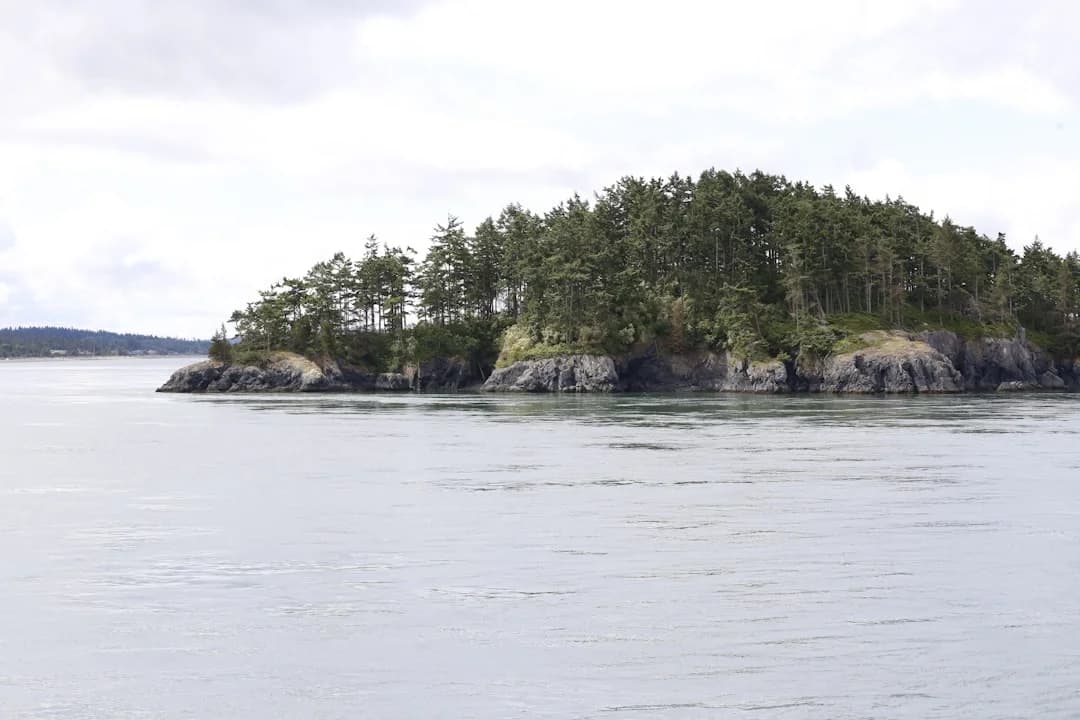
Puget Sound Cruising Guide to Gulf Islands Routes
Plan routes, anchorages, and weather windows with this Puget Sound cruising guide for the Gulf Islands & San Juans. Read now and start plotting.
By Breezada Team
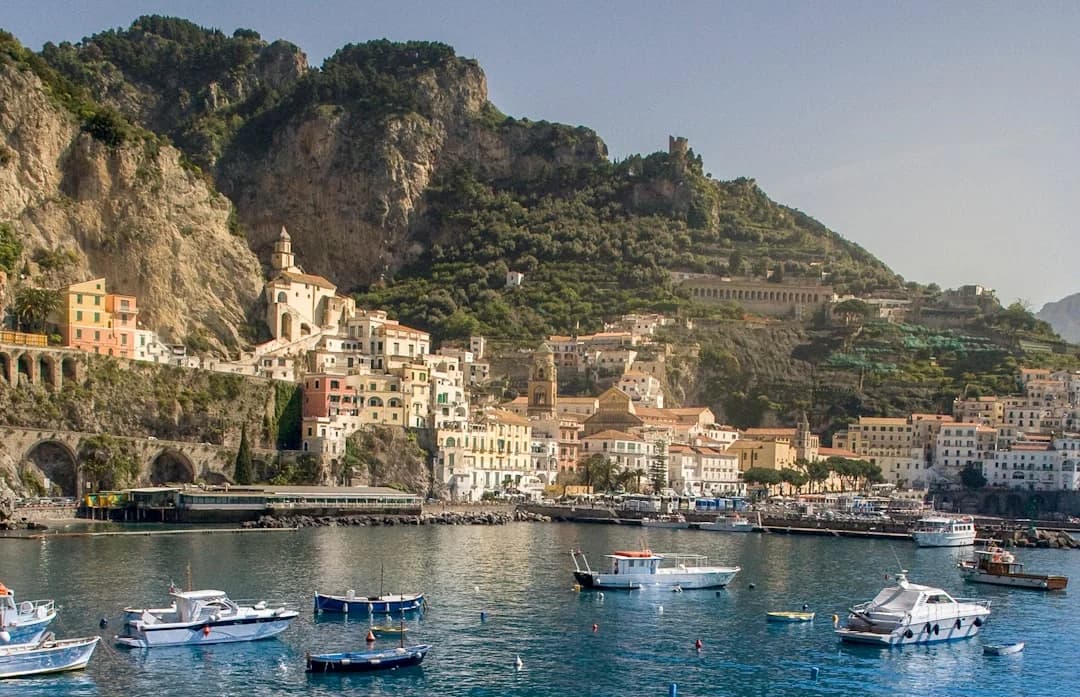
Sailing Amalfi Coast Guide: Ports, Anchorages & Rules
Sailing Amalfi Coast guide to Capri, Positano & Amalfi: best ports, anchorages, fees, VHF and rules. Plan your route—read now.
By Breezada Team
Dry Tortugas Sailing: Routes, Anchoring & Permits
Plan Dry Tortugas sailing from Key West with routes, weather windows, anchoring/moorings, and permits. Read the guide and plan your trip.
By Breezada Team