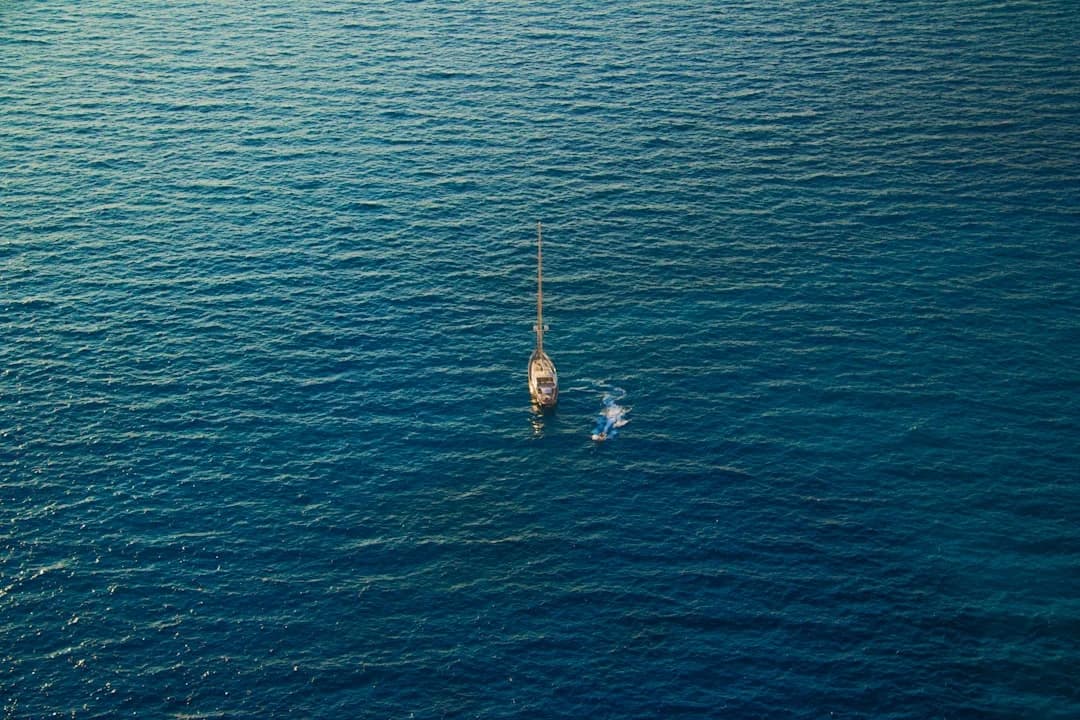
The short answer: 14 to 21 days if you take the classic trade wind route from the Canary Islands to the Caribbean. But that number hides a lot of variation — your boat, your route, the time of year, and whether you're willing to motor through calms all change the math considerably.
I've seen crews do it in 11 days on a fast catamaran with perfect trade winds, and I've heard of monohulls taking 28 days after hitting a week of light air south of the Azores. The Atlantic is predictable enough to plan around, but wide enough to keep you humble.
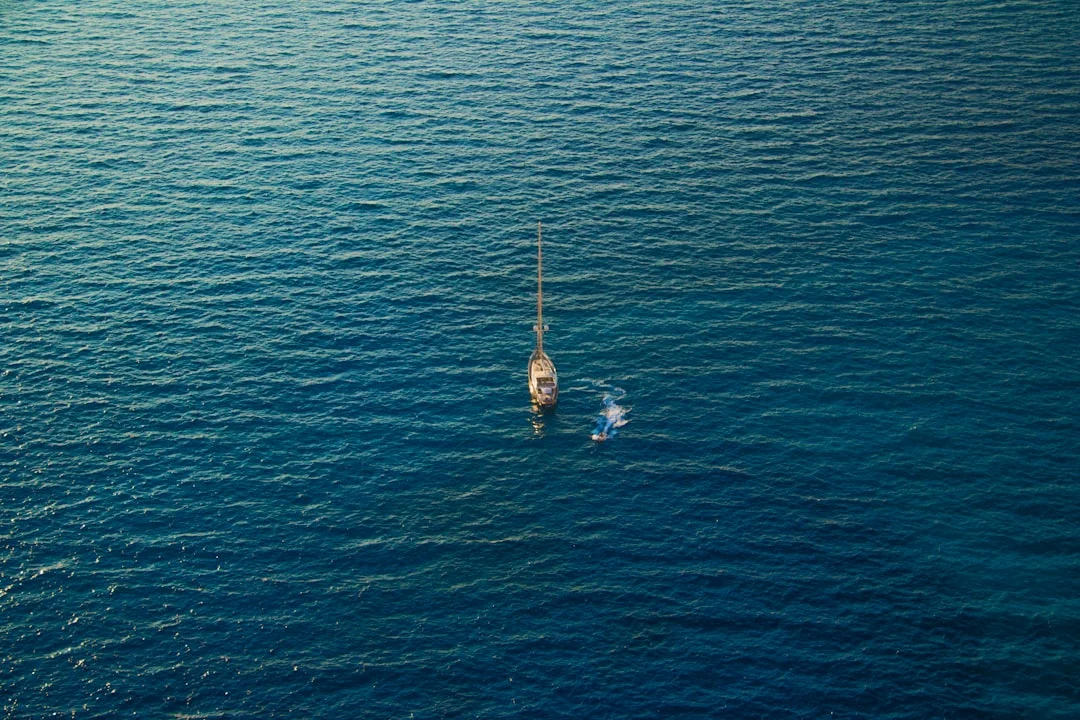
Photo by Mihail Minkov on Unsplash
The Three Main Atlantic Crossing Routes
Not all Atlantic crossings are the same distance. Your route choice is the single biggest factor in how long you'll be at sea.
Trade Wind Route: Canary Islands to Caribbean
This is the route most cruisers take, and for good reason. You're sailing with the northeast trade winds at your back for nearly the entire crossing.
| Detail | Value |
|---|---|
| Distance | ~2,700 nm (Las Palmas to St. Lucia) |
| Typical duration | 14–21 days |
| Daily average | 120–180 nm/day for most cruising boats |
| Best season | November to February |
| Wind | NE trades, 15–25 knots |
You can calculate the exact distance between Las Palmas and Rodney Bay to plan your daily mileage targets. Most boats in the ARC (Atlantic Rally for Cruisers) depart Las Palmas in late November and arrive in St. Lucia around mid-December.
The key advantage: consistent downwind sailing. Once the trades fill in — usually a day or two south of the Canaries — you can often sail under poled-out genoa or spinnaker for days without touching the sheets.
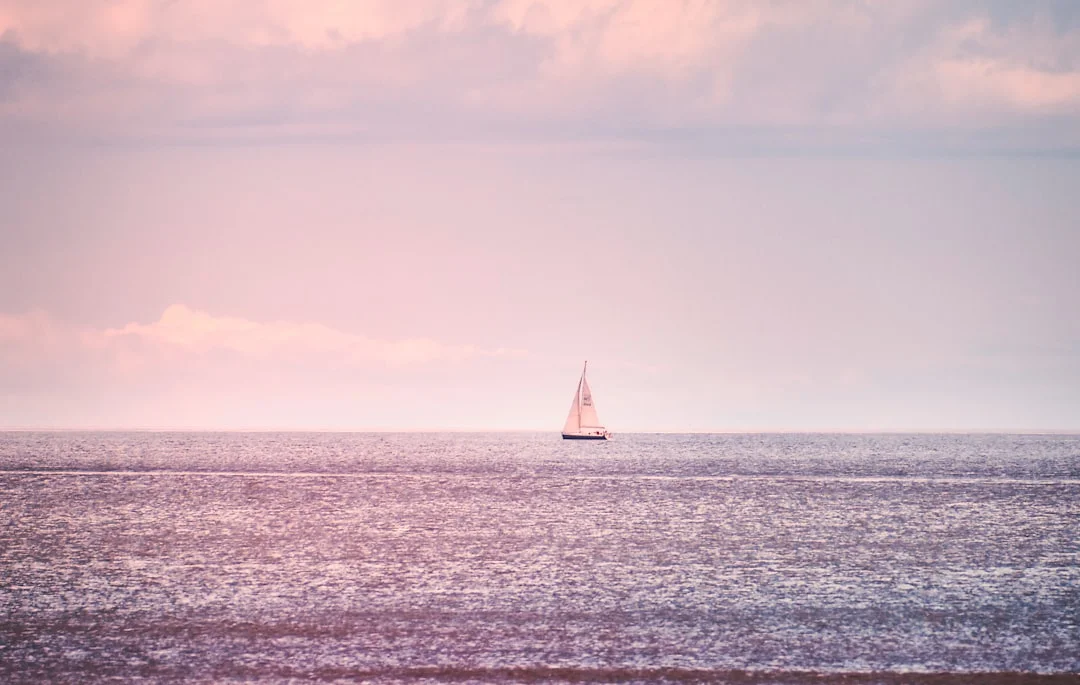
Photo by K. Mitch Hodge on Unsplash
Northern Route: Europe to North America via the Azores
Longer and more demanding, this route appeals to crews heading to the US East Coast or Canada rather than the Caribbean.
| Detail | Value |
|---|---|
| Distance | ~3,000–3,500 nm (depending on departure/arrival) |
| Typical duration | 18–28 days |
| Daily average | 100–160 nm/day |
| Best season | May to July |
| Wind | Variable; westerlies possible in northern latitudes |
The Azores make a natural waypoint — roughly 800 nm from Portugal — giving you a chance to rest, refuel, and wait for a weather window before the longer second leg of 2,100–2,500 nm to Bermuda, the US East Coast, or Nova Scotia.
This route is harder. You'll likely encounter headwinds, calms, and at least one proper gale. Boats making this passage tend to be heavier, better crewed, and more experienced.
Southern Route: Africa to Brazil
The shortest Atlantic crossing, and one most people don't consider.
| Detail | Value |
|---|---|
| Distance | ~1,800 nm (Cape Verde to Fernando de Noronha) |
| Typical duration | 10–14 days |
| Daily average | 130–180 nm/day |
| Best season | December to March |
| Wind | NE trades, steady |
From Cape Verde, the trade winds push you directly to the Brazilian coast. The ITCZ (Inter-Tropical Convergence Zone) — that band of squalls and calms near the equator — is the main wildcard. In good years it's narrow and you punch through in a day. In bad years it can stall you for three.
What Determines Your Crossing Time
Even on the same route, two boats can arrive days apart. Here's what actually moves the needle.
Boat Speed and Waterline Length
Waterline length is destiny on an ocean crossing. A 32-foot monohull with a 26-foot waterline will average 120–130 nm/day in the trades. A 45-footer with a 38-foot waterline might average 160–180 nm/day in the same conditions. That's a 5–7 day difference on a 2,700 nm crossing.
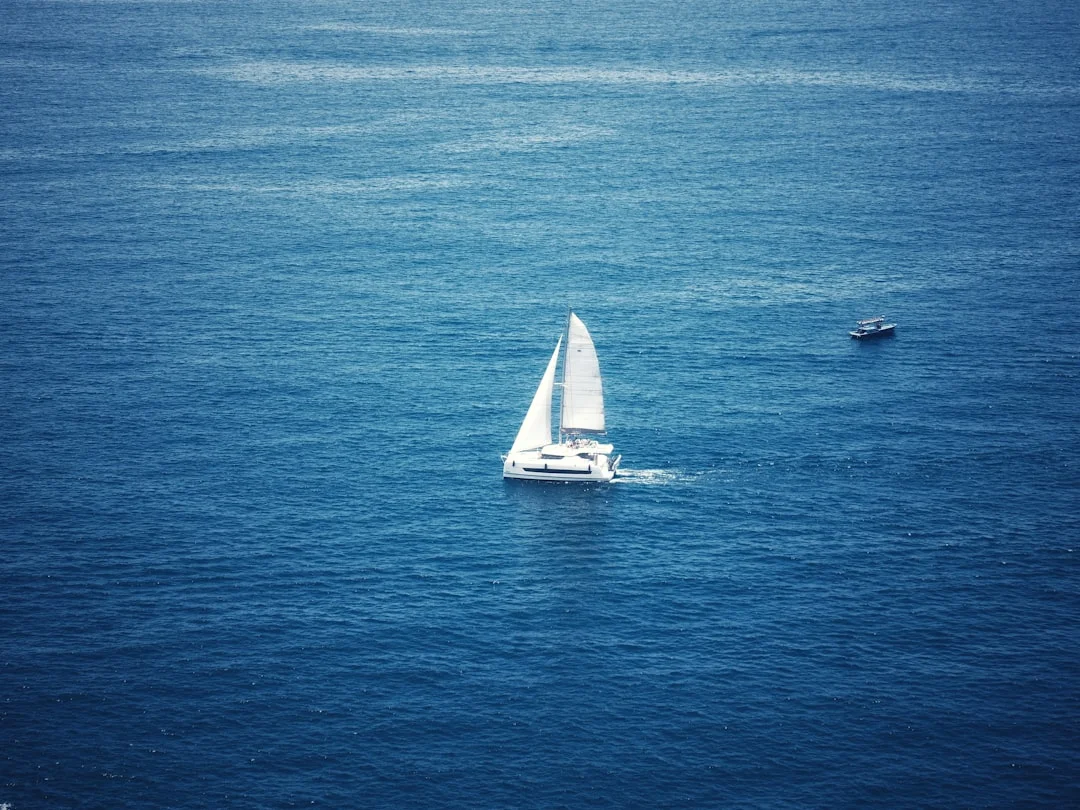
Catamarans generally outperform monohulls of similar length downwind, averaging 150–200 nm/day in the trades due to their wider beam and reduced hobby-horsing.
Weather Windows and Seasonal Timing
The trade wind season runs roughly November to April in the North Atlantic. Depart too early (October) and you risk late-season tropical disturbances. Depart too late (March) and the trades start dying, replaced by light and variable winds that can add a week to your passage.
The ARC departure in late November isn't arbitrary — it's the sweet spot between hurricane season ending and the trades being fully established.
Routing Strategy
A rhumb line course (constant compass bearing) between Las Palmas and St. Lucia is about 2,700 nm. But most experienced skippers sail further south initially to get into the strongest trades, then curve west. This "banana route" adds 100–200 nm but can actually shorten your passage time because you're sailing in stronger, more consistent wind.
Use Breezada's sea distance calculator to check distances between waypoints and compare routing options.
Crew Experience and Watch Systems
A well-practiced four-person crew running three-hour watches will maintain better VMG (velocity made good) than a short-handed couple running six-hour watches. Fatigue affects sail trim decisions, which affects speed, which compounds over 2,700 nm.
Most ARC boats average 130–160 nm/day — but the top performers (experienced crews on fast boats) average over 200 nm/day. Crew quality is the variable nobody talks about enough.
Best Time to Cross the Atlantic
East to West (Trade Wind Route): November to February
The classic window. The ARC departs late November. The trades are strongest and most consistent from December through February. January is statistically the best month for consistent 18–22 knot trade winds on the traditional route.
After February, the Azores High starts shifting and the trades weaken. By April, you might spend days drifting in light air.
West to East (Return Passage): May to July
Coming back is a different game entirely. You're sailing northeast, which means working with the westerlies in higher latitudes. June is the sweet spot — summer weather patterns are established but North Atlantic storms haven't started their autumn cycle.
Most crews route via Bermuda and the Azores, making it a multi-leg passage of 3,500+ nm total.
Hurricane Season: June to November
This is non-negotiable. Do not be in the hurricane zone during hurricane season. The traditional sailor's rhyme holds: "June — too soon, July — stand by, August — you must, September — remember, October — all over." The peak is mid-August through October.
Plan your crossing to arrive in the Caribbean before December or depart before June.Once you reach the Caribbean, the Florida to Bahamas route is a popular first stop — just 48 nm from Miami to Bimini. From there, the best sailing destinations in the Caribbean — the BVI, Grenadines, and Antigua — are within easy reach.
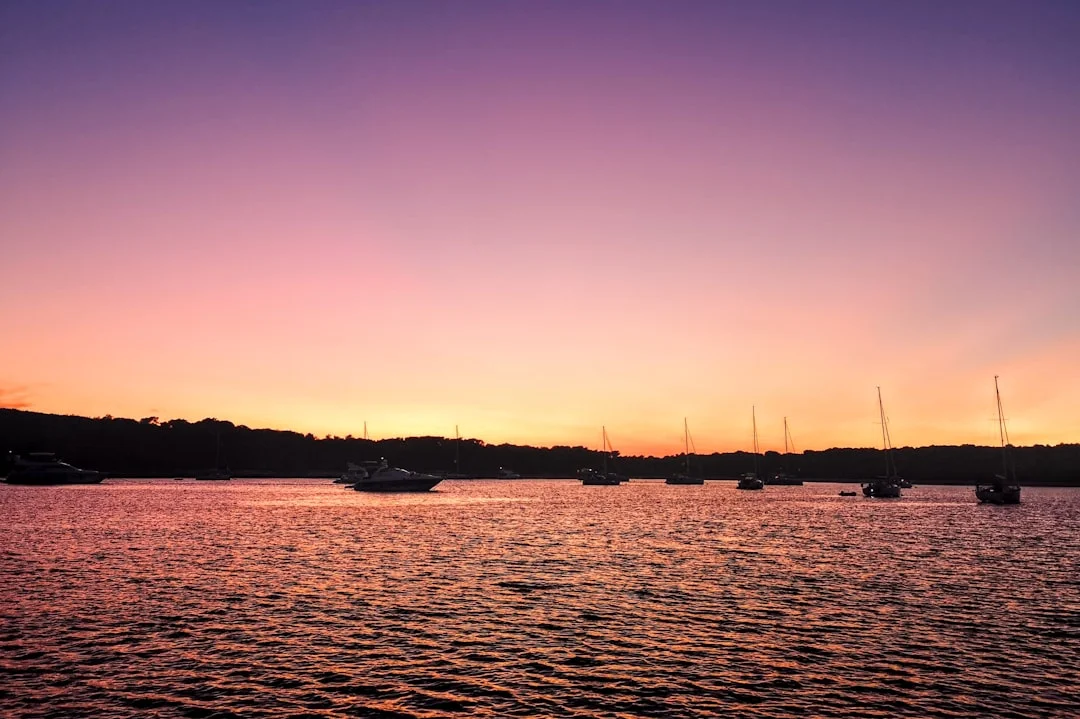
Photo by Matteo Ulisse on Unsplash
What a Typical Day Looks Like Mid-Ocean
Day five of an Atlantic crossing has a rhythm that's almost meditative. Here's what it actually looks like.
0600 — Off-watch crew wakes up. Check the wind instruments: 19 knots NE, boat speed 6.8 knots. Perfect. The on-watch crew reports seeing a tanker at 0300, otherwise empty ocean.
0800 — Breakfast. Someone makes pancakes on the gimbal stove while the boat rolls gently. Check the SSB radio for weather updates on the Atlantic net. Other boats report their positions — you're middle of the pack.
1000 — Routine boat check. Walk the deck, inspect the rig, check the autopilot oil level. Adjust the poled-out genoa car by two inches. The sail was loaded on the leech.
1200 — Noon position. You've done 156 nm since yesterday — your best day yet. At this rate, 10 days to go. Someone opens the rum.
1500 — Squall on the horizon. Reef the main as a precaution. The squall hits with 30 knots and heavy rain for 20 minutes, then it's back to 18 knots and sunshine. Standard.
1800 — Watch change. Sunset is spectacular — orange and violet from horizon to horizon. No land in sight in any direction. No other boats. Just you, the wind, and 2,000 nm of open water.
2100 — Stars. More stars than you knew existed. The phosphorescence in the wake glows electric blue. The autopilot hums. Life is good.
Provisioning and Preparation
Food and Water
Budget for 25 days of provisions even if you expect 16 days — calms happen, gear breaks, diversions to the Azores aren't unheard of. That's roughly:
- Water: 3 liters per person per day = 300L for a crew of 4 over 25 days (carry a watermaker or extra jerry cans)
- Food: Canned goods, dried pasta, rice, long-life UHT milk. Fresh fruit lasts about a week; after that it's canned and dried
- Fuel: 200–400 liters of diesel depending on your engine and how much motoring you'll accept. Most boats motor 10–20% of the crossing through calm patches
Safety Equipment
- EPIRB: Registered and tested. Category 1 (auto-deploy)
- Life raft: Serviced within the last 3 years
- MOB gear: Dan buoy, horseshoe, PLB (Personal Locator Beacon) for each crew
- First aid: Including prescription antibiotics, suture kit, and seasickness medication
- Sat phone or SSB radio: You're 1,000+ nm from the nearest coast guard; VHF range is 25 nm
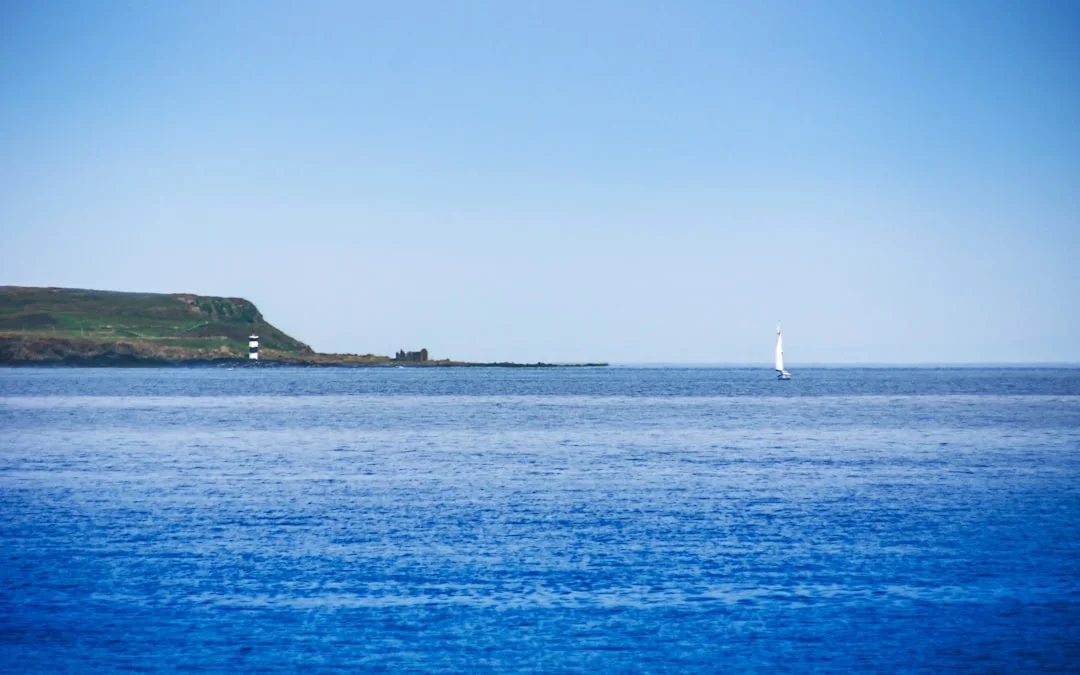
Photo by K. Mitch Hodge on Unsplash
Boat Preparation
Before departure, verify your total distance and fuel requirements between waypoints. Key preparations:
- Rig inspection: Check every swage fitting, toggle pin, and cotter ring. One broken stay mid-ocean can end your mast.
- Engine service: Oil, filters, impeller, belts. Carry spares for all of them.
- Sails: Full inspection. Patch any chafe. Carry a sailmaker's kit (palm, needles, Dacron, sticky-back sailcloth).
- Electrical: Battery bank fully charged, solar panels clean, wind generator working. You need power for autopilot, instruments, and navigation lights — 24 hours a day for two weeks.
- Spares: Blocks, shackles, line, hose clamps, electrical connectors, engine belts, impeller, zinc anodes, fuses.
Frequently Asked Questions
Can a beginner sail across the Atlantic?
Yes — but not alone and not without preparation. The trade wind route is often called the "easiest" ocean crossing because the winds are consistent and the weather is generally fair. Many crews in the ARC include first-time ocean sailors. The key is having at least one experienced offshore skipper aboard and a boat that's properly prepared. Take an offshore sailing course (RYA Yachtmaster Ocean or ASA 108) and do at least one multi-day coastal passage before committing to a transatlantic.
How much does an Atlantic crossing cost?
Budget $3,000–$8,000 per person for the crossing itself, depending on your boat and style. This includes:
- Marina fees in the Canaries (~$50–100/night) and arrival port
- Provisioning: $1,000–2,000 for a crew of four
- Fuel: $200–500
- Last-minute repairs and spares: $500–2,000
- ARC entry fee (if joining the rally): ~$3,500–4,500 per boat
- Customs and immigration fees
This assumes you already own or have chartered the boat. A bareboat charter for the crossing runs $15,000–30,000 for the boat alone.
What size boat do you need?
Minimum practical size is about 32 feet for a couple, 38 feet for a crew of four. Smaller boats have crossed — plenty of sub-30 footers have done it — but comfort drops off rapidly under 35 feet. You're living aboard for two to three weeks with no escape.
Most ARC boats are in the 40–50 foot range. Bigger isn't always better — a well-found 38-footer is safer than a poorly maintained 50-footer.
Is it dangerous?
The trade wind crossing is one of the safer ocean passages — consistent winds, warm water, well-charted route, and plenty of other boats nearby (especially during ARC season). The main risks are:
- Gear failure (rig, autopilot, rudder)
- Man overboard — wear harnesses at night, always
- Collision with ships or containers — keep a proper lookout
- Medical emergency far from help
Fatalities on Atlantic crossings are rare but not unknown. Most incidents involve gear failure on poorly maintained boats or single-handers falling overboard. Sail with a crew, maintain your boat, and the risk is manageable.
What's the fastest Atlantic crossing by a sailboat?
The current record for the Transatlantic under sail is 3 days, 15 hours, 25 minutes, set by the trimaran IDEC Sport in 2020. That's an average speed of over 30 knots — roughly 10 times faster than a typical cruising boat. For context, most cruisers take 14–21 days at 6–8 knots average. The record serves mainly to make you feel slow. If you're still building your offshore skills, start with our beginner's guide to sailing before planning an ocean crossing.
About the Author
Related Articles

DSC Distress Call Guide: GMDSS, AIS, EPIRB & PLB
Learn the correct DSC distress call sequence, MMSI setup, and when to use AIS, EPIRB or PLB. Get it right—read the guide and drill it.
By Breezada Team
Sailing in Strong Currents: Tides, Tools & Examples
Learn sailing in strong currents with tide tools, rules of thumb, and real examples. Plan safer passages—read the guide and use the checklists.
By Breezada Team
NAVTEX for Sailing: SafetyNET Offshore Weather Guide
Learn NAVTEX & SafetyNET (Inmarsat-C) setup, filters, and what MSI to trust offshore. Get clearer forecasts—read the guide now.
By Breezada Team
Sailboat Hull Speed: Calculate It and Exceed It
Learn sailboat hull speed, the 1.34×√LWL formula, and when boats can exceed it. Get examples and tips—read now and calculate yours.
By Breezada Team