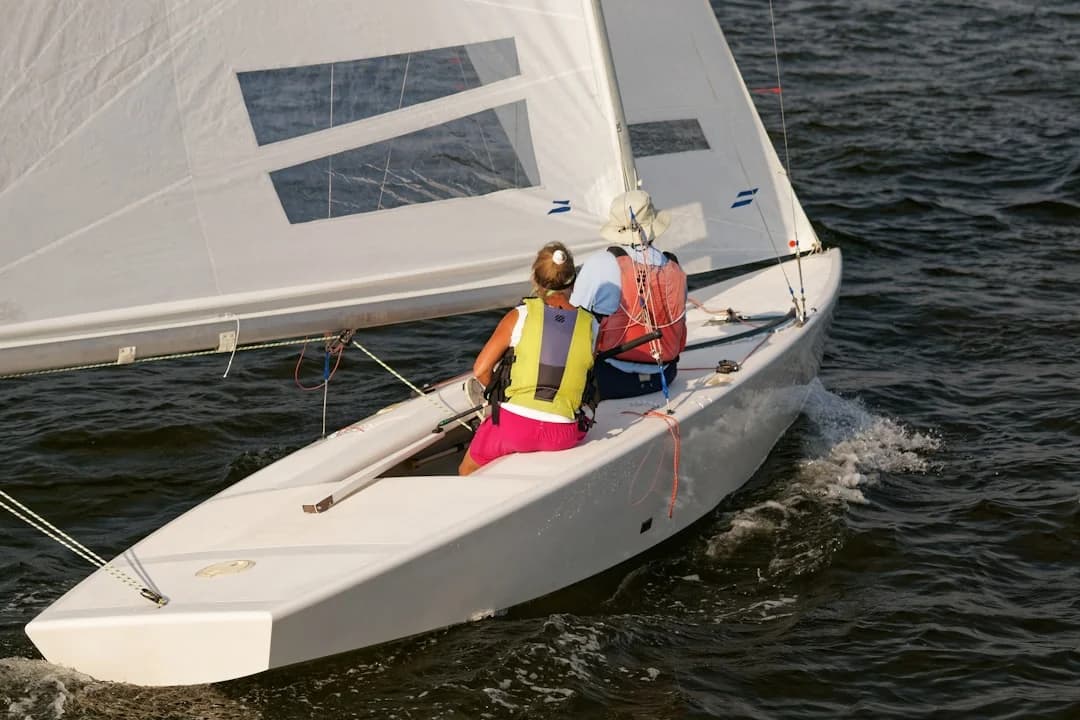
Sailing looks complicated from the dock. All those ropes, the jargon, the wind angles — it feels like you need a physics degree and a pirate's vocabulary just to leave the harbor. But here's the truth: the basics of sailing can be learned in a single weekend. Getting good takes years. Getting started takes hours.
This guide covers everything you need to go from zero to confidently handling a small sailboat in moderate conditions. No fluff, no history lessons about the Age of Sail — just the practical knowledge that gets you on the water.
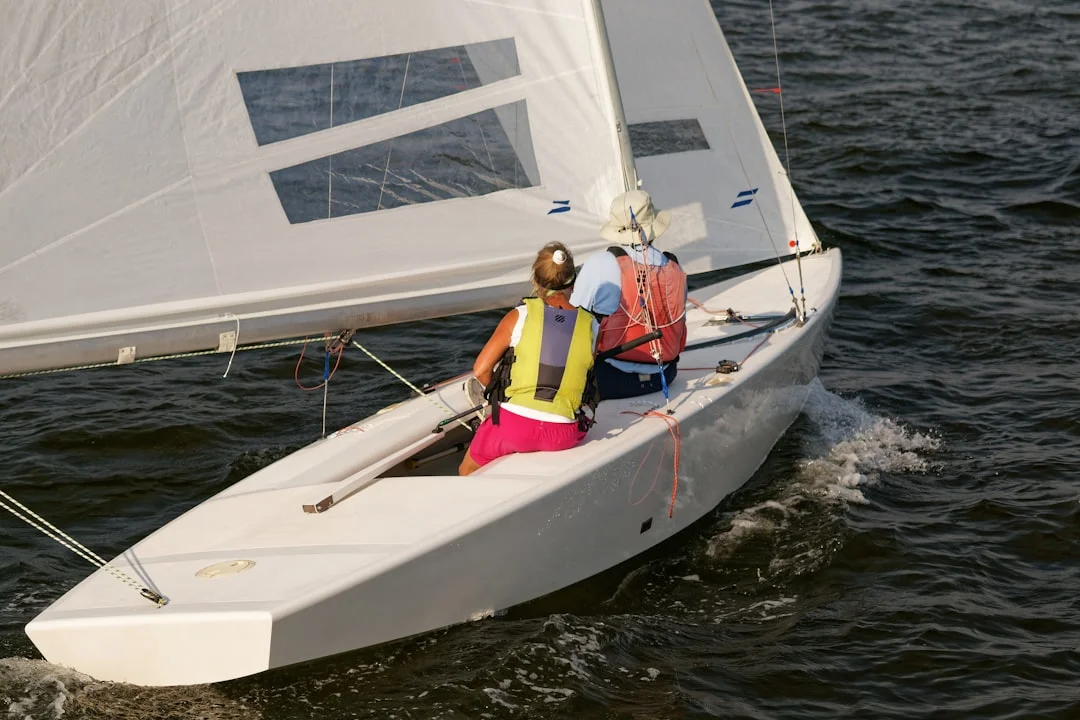
Photo by Marshall Patterson on Unsplash
The Parts of a Sailboat (Only the Ones That Matter)
Sailing has more specialized vocabulary than most sports, but you only need about 20 terms to get started. Here are the ones that actually matter on day one:
The Hull and Deck
| Term | What It Is |
|---|---|
| Bow | Front of the boat |
| Stern | Back of the boat |
| Port | Left side (when facing the bow). Memory trick: "port" and "left" both have 4 letters |
| Starboard | Right side |
| Helm / Tiller | The steering mechanism. A tiller is a stick you push; a wheel is a wheel you turn |
| Cockpit | Where you sit and steer — the open area at the back of most sailboats |
| Keel / Centerboard | The fin underneath that stops you sliding sideways. Keelboats have a fixed one; dinghies have a retractable centerboard |
The Sails and Rigging
| Term | What It Is |
|---|---|
| Mainsail | The big sail behind the mast. This is your primary power source |
| Jib / Genoa | The sail in front of the mast. Jib is smaller, genoa is larger |
| Boom | The horizontal pole at the bottom of the mainsail. Watch your head — this swings across the boat when you change direction |
| Mast | The tall vertical pole that holds everything up |
| Halyard | Rope that pulls a sail UP |
| Sheet | Rope that pulls a sail IN and OUT (controls the angle). The mainsheet controls the mainsail; the jib sheet controls the jib |
| Cleat | The fitting you wrap a rope around to secure it |
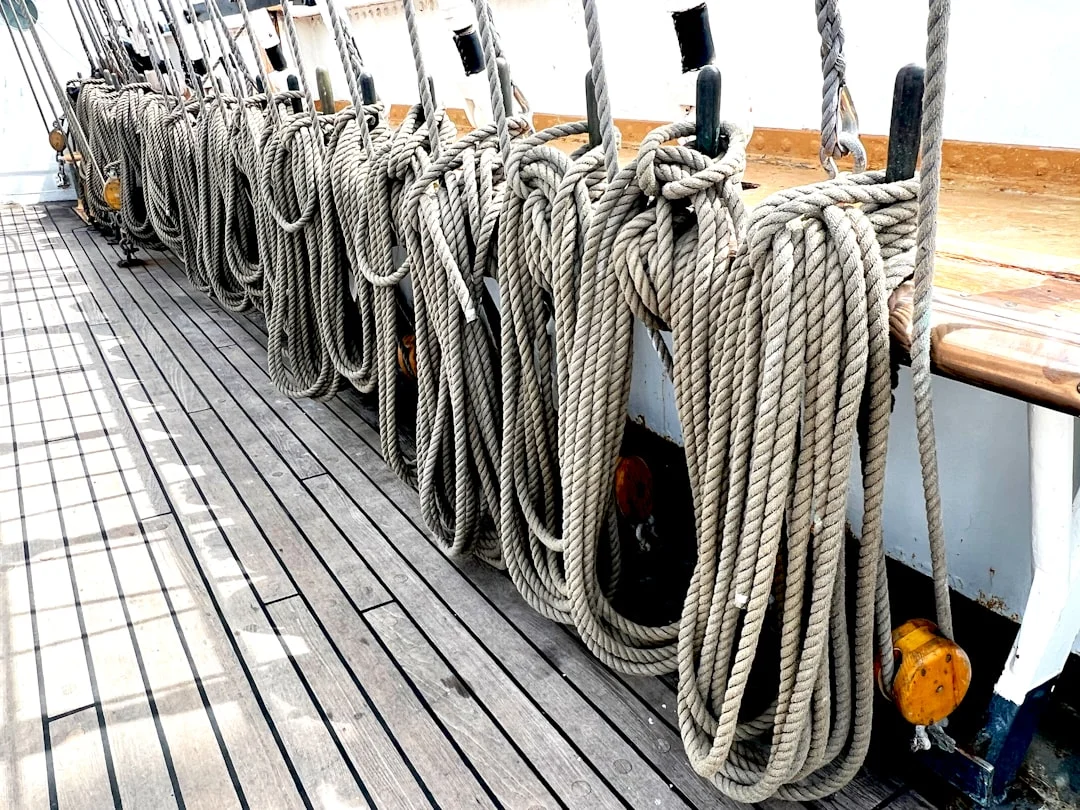
Photo by Lance Grandahl on Unsplash
The single most important thing to remember: sheets control sail angle, halyards raise and lower sails. Every other rope on the boat is a variation of these two jobs.
How Sails Actually Work
Forget everything you think you know about wind "pushing" a sail. Sails work more like airplane wings — and understanding this (even roughly) makes the difference between fighting the boat and flowing with it.
The Airplane Wing Analogy
A sail is a curved surface. When wind flows over it, the air on the outside (leeward side) travels a longer path and speeds up, creating low pressure. The air on the inside (windward side) is slower, creating high pressure. The pressure difference pulls the boat forward and sideways. The keel resists the sideways force, so the boat moves mostly forward.
This is why sailboats can sail toward the wind (at an angle, not directly into it). The sail generates lift, just like a wing. The closer you sail to the wind, the tighter you trim your sails. The further off the wind, the more you let them out.
Points of Sail — The Five Angles to the Wind
This is the single most important concept in sailing. Every sailing maneuver is about changing your angle to the wind.
| Point of Sail | Angle to Wind | Sail Trim | Speed | Feel |
|---|---|---|---|---|
| No-Go Zone | 0–30° | Can't sail here | Zero | Sails flap uselessly. Turn away. |
| Close-Hauled | 30–45° | Sails pulled in tight | Medium | Boat heels, feels powerful. Spray. |
| Beam Reach | ~90° | Sails halfway out | Fast | The sweet spot. Most comfortable, fastest. |
| Broad Reach | ~135° | Sails way out | Fast | Feels fast, boat rolls a bit |
| Running | ~180° | Sails all the way out | Medium | Wind directly behind. Risk of accidental gybe. |
The no-go zone is the most important thing for a beginner to understand. You simply cannot sail directly into the wind. If you point the bow within about 30° of where the wind is coming from, your sails will luff (flap), you'll lose speed, and you'll stop. You need to zigzag (tack) to get upwind.
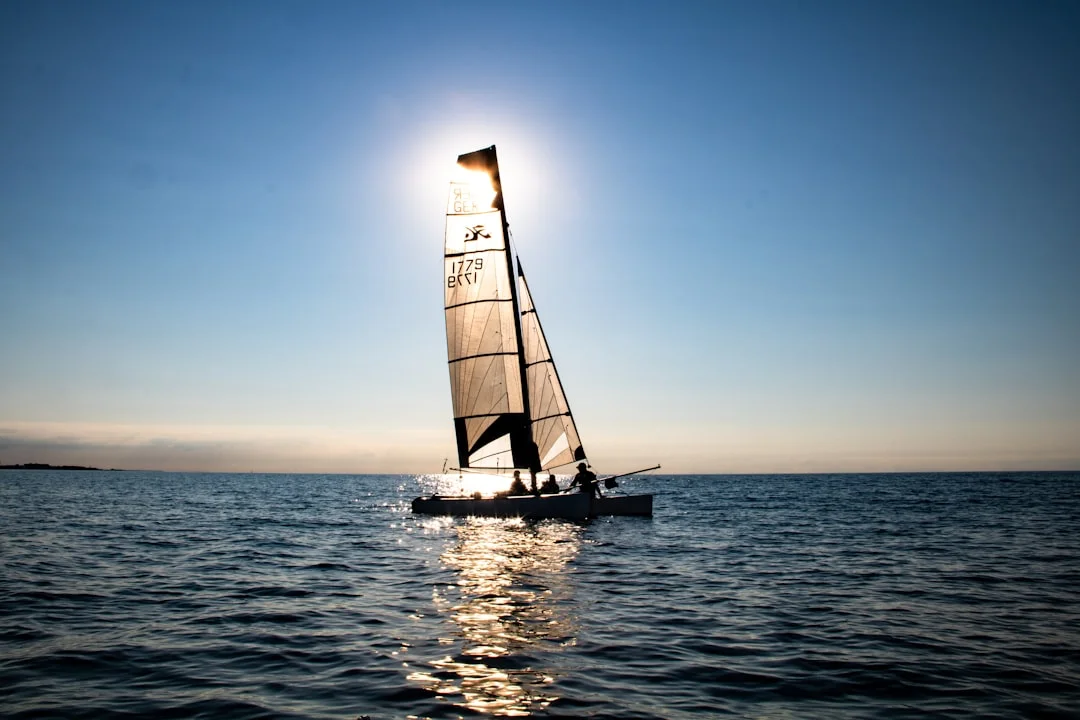
Photo by Niklas Roth on Unsplash
The Two Essential Maneuvers
Tacking (Turning Through the Wind — Bow First)
Tacking is how you change direction when sailing upwind. The bow passes through the no-go zone, and the wind switches from one side to the other.
How to tack:
- Call it: Say "Ready about" so your crew knows it's coming
- Crew responds: "Ready" (they prepare to release the jib sheet)
- Push the tiller away from you (toward the sail) or turn the wheel toward the wind
- As the bow swings through the wind, the sails will flap briefly — this is normal
- Release the old jib sheet, pull in the new one on the other side
- The mainsail swings across on its own. Duck under the boom if needed
- Settle on the new course, trim sails
The whole thing takes 5–10 seconds on a small boat. It feels chaotic the first three times. By the tenth, it's automatic.
Gybing (Turning With the Wind — Stern First)
Gybing is changing direction when sailing downwind. The stern passes through the wind. It's faster and more forceful than tacking because the boom swings across with the wind behind it rather than against it.
How to gybe:
- Call it: "Prepare to gybe"
- Pull the mainsheet in partway (this reduces the distance the boom swings)
- Turn the tiller toward the sail (or wheel away from the wind)
- As the stern passes through the wind, the boom will snap across — keep your head down
- Let the mainsheet out on the new side
- Adjust the jib
Warning: an uncontrolled gybe in strong wind is the most common cause of injuries and capsizes on sailboats. The boom swings fast and hard. Always control the mainsheet during a gybe, and always warn your crew.
Your First Sail — Step by Step
Before You Leave the Dock
- Check the wind: Look at flags, trees, or ripples on the water. You want 5–12 knots for your first sail. Under 5 is frustrating (not enough power). Over 15 is too much for a beginner.
- Raise the mainsail while still tied to the dock or mooring. The boat will weathervane (point into the wind) — this is normal and makes it easier.
- Raise the jib or partially unroll it if it's on a furler.
- Plan your exit: which way is the wind blowing? You want to leave the dock sailing away from obstacles, not toward them.
On the Water
Start on a beam reach (wind coming from the side). This is the easiest, fastest, most forgiving point of sail. Trim the sails until they stop flapping — that's roughly the right angle. Now just steer and enjoy it.
After 10 minutes of beam reaching, try these exercises:
- Luff up (turn toward the wind) until the sails start flapping, then bear away until they fill again. This teaches you where the wind is.
- Bear away (turn away from the wind) and let the sails out. Feel how the boat responds.
- Try a tack. Turn through the wind, switch the jib, settle on the new course.
- Sail a triangle: beam reach → close-hauled → tack → beam reach. This is the foundation of all sailing.
Coming Back
Getting back to the dock is the hardest part for beginners. The key rule: approach from downwind, sailing into the wind. This way, when you let go of the sheets, the sails luff and the boat slows down naturally.
Never approach a dock going fast with the wind behind you. You have no brakes. The only way to slow down a sailboat is to point into the wind and depower the sails.
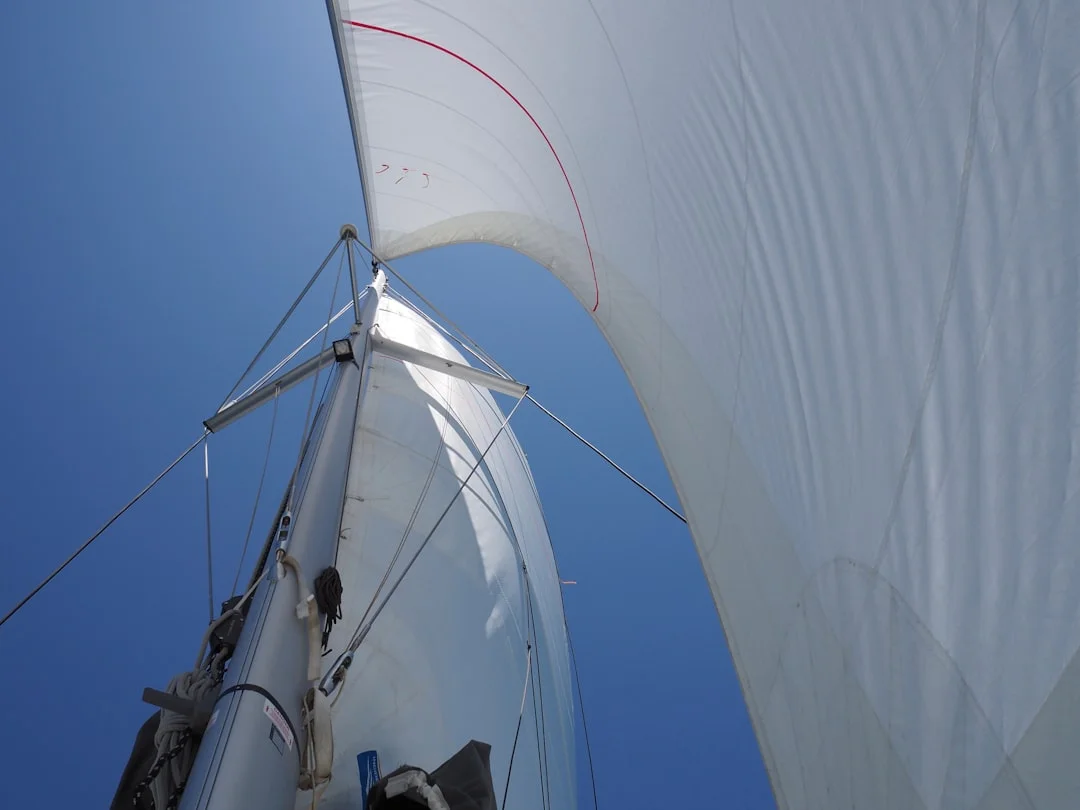
Photo by Margarita Loza on Unsplash
Where to Learn
Sailing Courses
The fastest way to learn is a structured course. Budget $300–$800 for a weekend beginner course, or $1,500–$3,000 for a week-long certification program.
| Certification | Organization | Duration | What You Can Do After |
|---|---|---|---|
| ASA 101 (Basic Keelboat) | American Sailing Association | 2–3 days | Sail a small keelboat in light-moderate winds |
| ASA 104 (Bareboat Cruising) | ASA | 5–7 days | Charter a yacht up to ~42 ft |
| RYA Competent Crew | Royal Yachting Association | 5 days | Crew on any yacht |
| RYA Day Skipper | RYA | 5–10 days | Skipper a yacht in familiar waters |
| ICC (International Certificate) | Various | Varies | Charter bareboat in Mediterranean |
ASA 101 is the standard US entry point. RYA Competent Crew is the UK/international equivalent. Either one takes you from zero to competent in a week.
Learning by Chartering
Once you have a basic certification, the fastest way to improve is to charter. A skippered charter — where a professional captain sails with you — is essentially a week-long private sailing lesson in a real cruising environment. See our yacht charter cost breakdown for pricing by boat type and region. For a first-time charter, the Saronic Gulf in Greece or the BVI are ideal — short distances, sheltered waters, and light winds.
Essential Safety Knowledge
The Five Things That Can Go Wrong
- Boom strike: The boom swings during a tack or gybe and hits someone. Prevention: call your maneuvers, keep your head below boom height during turns.
- Capsize (dinghies): Small boats can flip. It happens. The boat won't sink — stand on the centerboard and pull it upright. Practice this before you need it.
- Man overboard: Someone falls off. Immediately point at them and don't lose visual contact. Sail back on a beam reach, approach from downwind.
- Running aground: You sail into shallow water. In a keelboat, this is embarrassing but rarely dangerous. Wait for the tide or use the engine to reverse off.
- Weather change: Wind increases beyond your skill level. Reef the mainsail (reduce its size), roll up the jib partially, and head for shelter.
What to Wear
- Layers: It's always colder on the water than on land
- Non-slip shoes: Deck shoes or sailing boots. No flip-flops, no bare feet (until you're comfortable)
- Sunscreen: Water reflects UV. You'll burn faster than you expect
- Sunglasses with a retainer strap: Polarized lenses cut glare and let you see into the water
- Waterproof layer: Even on sunny days, spray happens
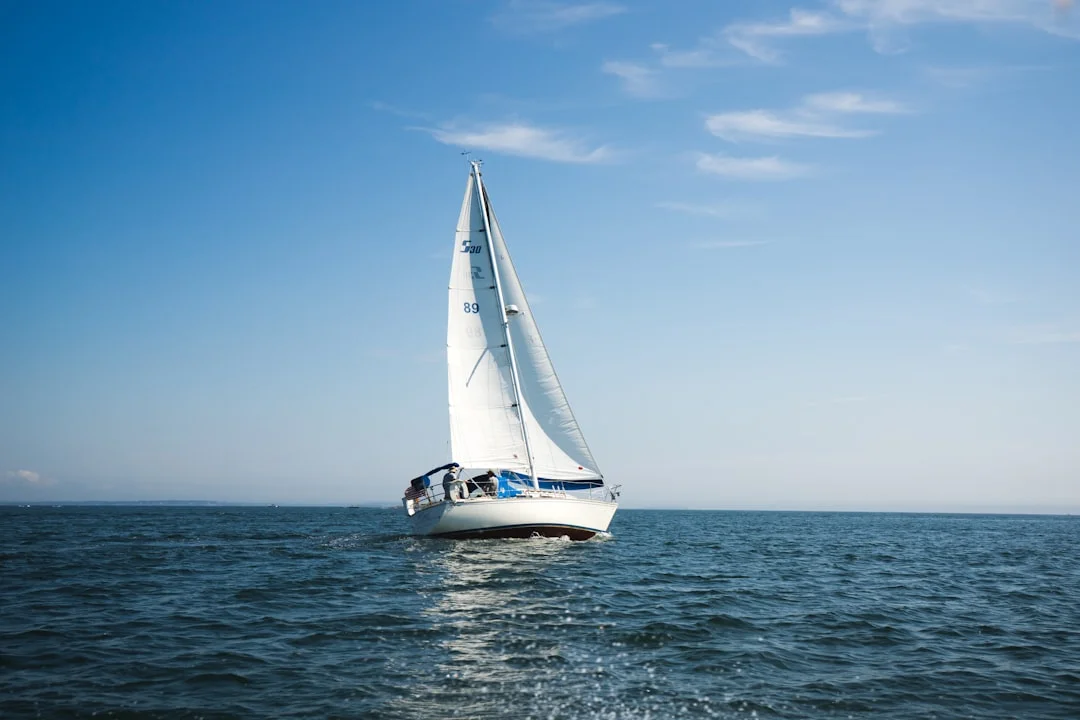
Photo by Evan Smogor on Unsplash
What Boat Should a Beginner Start On?
Dinghies (8–16 feet) — Best for Learning
Small, responsive, and unforgiving. If you do something wrong in a dinghy, you know immediately — it capsizes, slows down, or rounds up into the wind. This instant feedback teaches you faster than any textbook.
Good beginner dinghies: Laser/ILCA, RS Feva (two-person), Sunfish, Topper. You can buy a used one for $1,000–$3,000.
Keelboats (22–30 feet) — More Comfortable, Slower Feedback
Larger, more stable, won't capsize. The keel provides inherent stability, so mistakes are less punishing — but you also learn slower because the boat tolerates sloppy sail trim.
Good for: adults who want to sail with friends, people who find dinghy sailing too physical, anyone over 50 who'd rather not swim unexpectedly.
Catamarans — Fast but Different
Catamarans don't heel (lean) like monohulls. They're faster, drier, and more spacious. But the sailing technique is different enough that most instructors recommend learning on a monohull first. You can always switch to a cat later — the reverse is harder. Our monohull vs catamaran comparison breaks down the full trade-offs when you're ready to choose.
Planning Your First Routes
Once you're confident sailing in your local waters, use Breezada's sea distance calculator to plan short coastal hops. Start with distances under 10 nm — that's about 2 hours of sailing. As your confidence grows, extend to 20–30 nm day trips.
A good progression:
- Month 1–3: Sail in your home waters. Practice tacking, gybing, docking
- Month 3–6: Day trips to nearby harbors. Navigate to a waypoint and back
- Month 6–12: Overnight trips. Anchor somewhere, sleep aboard, sail home next day
- Year 2+: Week-long cruises, charter holidays, passage planning for longer routes
Once you reach that stage, our guide to choosing your first sailboat covers what to look for in a boat that matches your experience level and budget.
Frequently Asked Questions
How long does it take to learn to sail?
A weekend to handle a small boat in light winds. A week (formal course) to be safe and competent. A season (3–6 months of regular sailing) to feel genuinely confident in varied conditions. Years to become an expert — but that's the fun part.
Do I need to be physically fit?
Not particularly. Dinghy sailing is moderately physical — you'll use your core for hiking out and your arms for pulling sheets. Keelboat sailing is much less demanding. The most important physical skill is balance, not strength. If you can climb stairs comfortably, you can sail.
How much does it cost to start sailing?
A beginner course costs $300–$800. A used dinghy costs $1,000–$3,000. Joining a sailing club (which usually includes boat access) costs $500–$2,000/year. You can also crew on other people's boats for free — check Crewseekers or local sailing club notice boards.
Is sailing dangerous?
Statistically, sailing is safer than cycling, skiing, or horseback riding. The main risks are cold water immersion (wear a life jacket), boom strikes (stay alert during maneuvers), and weather changes (check the forecast, reef early). Respect the conditions, wear appropriate gear, and sailing is one of the safest outdoor sports.
Can I learn to sail alone, without a course?
Technically yes — sailors learned for centuries without formal instruction. But a course compresses months of trial-and-error into days. The investment in a weekend course pays for itself in avoided mistakes, damaged equipment, and embarrassing harbor incidents. Learn the basics formally, then refine through practice.
About the Author
Related Articles
Code Zero vs Genoa: Jib & Spinnaker Guide
Compare Code Zero vs genoa, jib, and spinnaker by wind range and angle. Choose the right headsail for your boat—read the guide now.
By Breezada Team
Starlink Mini on a Boat: Plans, Power & Offshore Use
Learn Starlink Mini on a boat—plans, power draw, and offshore performance. Compare Roam vs Mobile Priority and get setup tips. Read now.
By Breezada Team
Boat Courtesy Flag & Q Flag Etiquette for Yachts
Learn boat courtesy flag and Q flag etiquette for yachts—what to fly, where to hoist it, and common mistakes. Get the checklist before landfall.
By Breezada Team

French Canals Boat Trip Guide Beyond Canal du Midi
Plan a french canals boat trip beyond the Midi with routes, costs, licenses & lock tips. Compare regions and map your itinerary—start now.
By Breezada Team