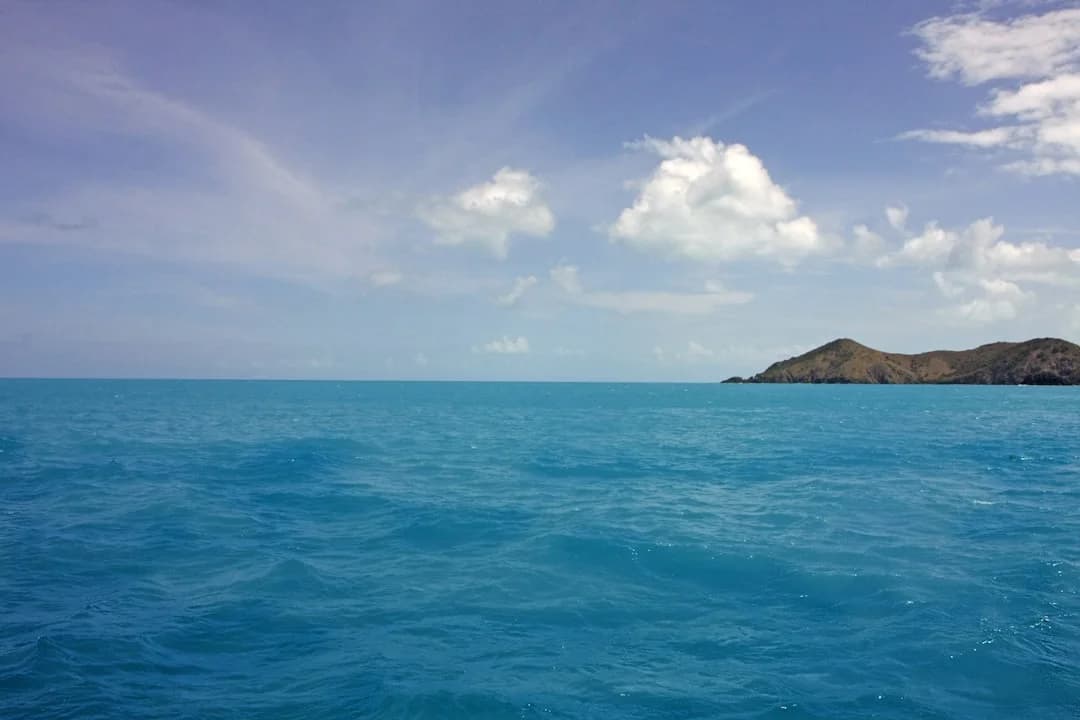
The Caribbean is the world's most popular sailing destination for a reason: steady trade winds, warm water year-round, hundreds of islands within day-sailing distance, and a cruising culture that's been refined over decades. But "the Caribbean" covers a massive area — from the Bahamas in the north to Trinidad in the south, spanning 2,500 nm and dozens of island nations. Where you sail matters enormously.
Some islands have world-class marinas and nightlife. Others are barely inhabited atolls where you won't see another boat for days. Some have bulletproof trade winds; others sit in hurricane corridors. This guide covers the regions that are actually worth your time — based on sailing conditions, not resort marketing.
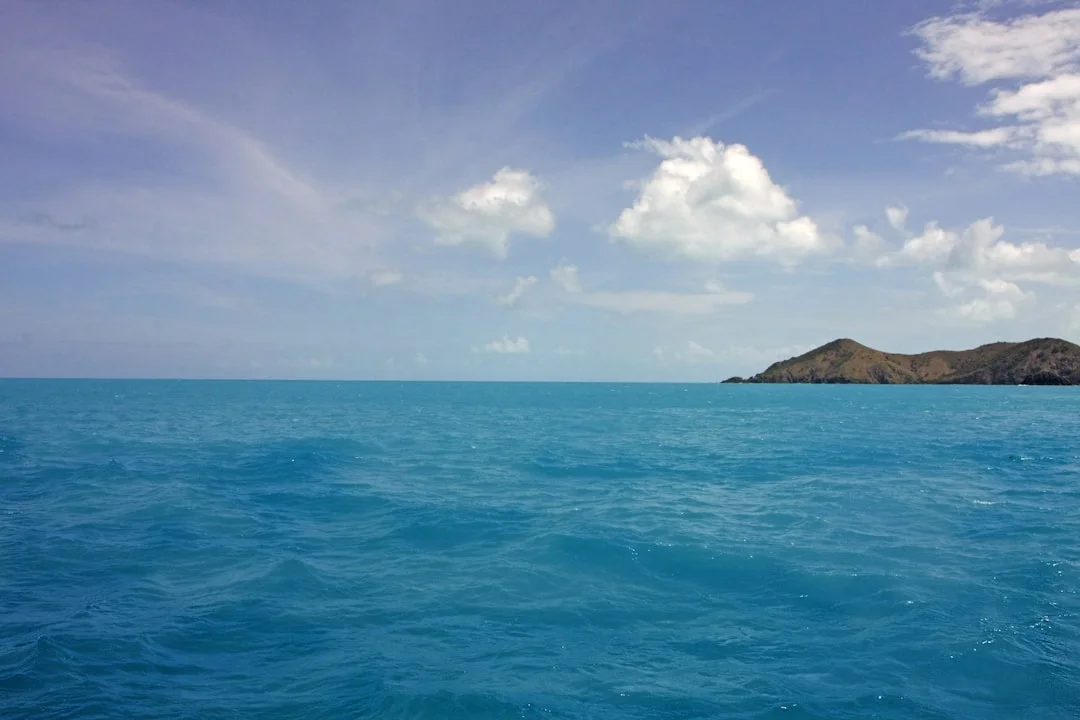
Photo by Karl Callwood on Unsplash
British Virgin Islands — The World's Sailing Capital
The BVI is where most people start their Caribbean sailing career, and for good reason. The islands are close together (most hops under 10 nm), the wind is consistent (12–20 knots from the east), the water is sheltered by island chains, and there are hundreds of mooring balls so you don't even need to anchor.
| Detail | BVI |
|---|---|
| Best months | December–April |
| Typical wind | 12–20 knots E/ENE |
| Sailing difficulty | Beginner-friendly |
| Charter base | Tortola (Road Town, Nanny Cay) |
| Must-visit | The Baths (Virgin Gorda), Jost Van Dyke, Norman Island, Anegada |
| Daily distances | 5–15 nm between stops |
The Baths on Virgin Gorda — massive granite boulders forming grottos and pools — is the most photographed spot in the BVI. Arrive early (before 10am) to beat the cruise ship tenders. Jost Van Dyke has Foxy's and the Soggy Dollar Bar, where the Painkiller cocktail was invented. Anegada is flat, remote, and surrounded by reef — the lobster is legendary.
The BVI's weakness: it's crowded during high season. December through March, every mooring ball fills by 2pm. If you want solitude, look south.
For a detailed breakdown of what chartering costs in the BVI and elsewhere, see our yacht charter pricing guide.
US Virgin Islands
Just next door, the USVI (St. Thomas, St. John, St. Croix) offers similar sailing with a different flavor. St. John's north shore has some of the best beaches in the Caribbean — Trunk Bay, Cinnamon Bay, Maho Bay — all accessible by dinghy from your anchorage. The passage between the BVI and USVI is short (~10 nm) but crosses an international border, so have your passports ready.
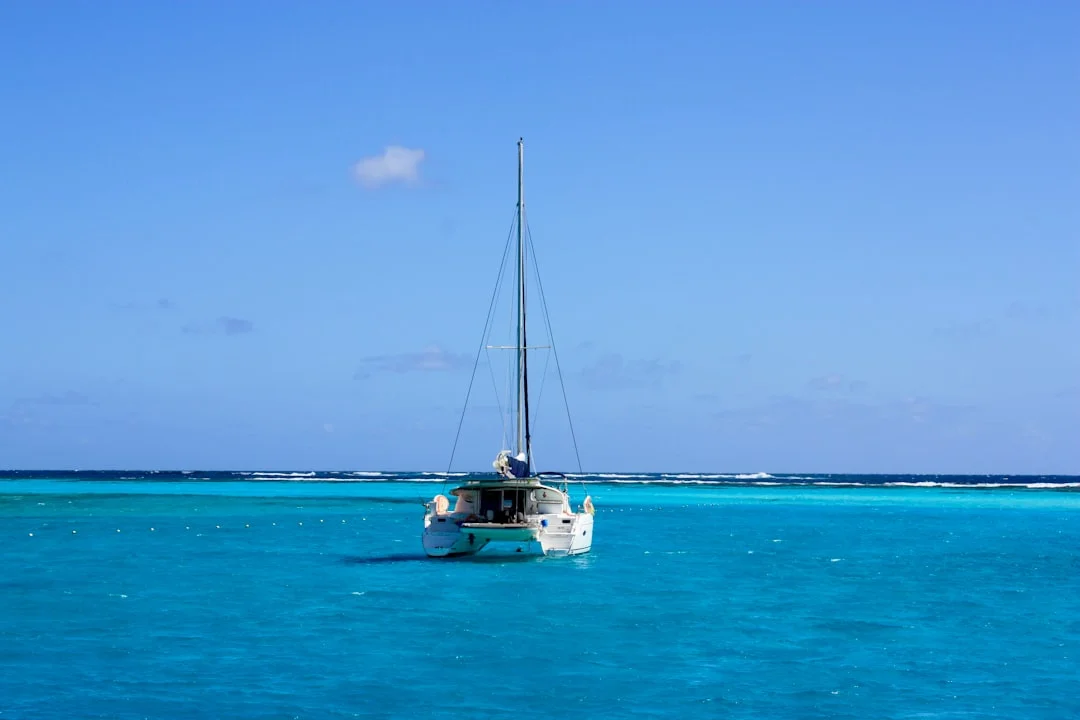
Photo by Flo Plouch on Unsplash
The Grenadines — The Connoisseur's Choice
If the BVI is Caribbean Sailing 101, the Grenadines are the graduate program. This chain of small islands between St. Vincent and Grenada stretches roughly 60 nm north-to-south and includes some of the most pristine, uncrowded sailing in the region.
| Detail | Grenadines |
|---|---|
| Best months | December–May |
| Typical wind | 15–25 knots E/ENE |
| Sailing difficulty | Intermediate |
| Charter base | St. Vincent, Grenada, or Union Island |
| Must-visit | Tobago Cays, Bequia, Mustique, Mayreau |
| Daily distances | 10–25 nm between stops |
Tobago Cays is the crown jewel — a cluster of five uninhabited islands surrounded by a horseshoe reef. The water is shallow, impossibly clear, and full of sea turtles. You pick up a mooring ball (national park, $10 EC/night) and snorkel with turtles 30 feet from your boat. It's the single best anchorage in the Caribbean.
Bequia (pronounced "beck-way") is a proper sailing town. The harbor at Port Elizabeth is full of cruisers, the waterfront has excellent restaurants, and the island moves at a pace that makes the BVI feel like Manhattan.
The wind in the Grenadines is stronger and more consistent than the BVI — expect 18–22 knots most days during the season. This means faster sailing but also choppier conditions in open channels. Reef early and sail comfortably rather than being overpowered.
Use Breezada's distance calculator to plan your hops between Grenadine islands — the chain is compact enough that you can visit 6–8 islands in a week.
Antigua and Barbuda — Wind, History, and 365 Beaches
Antigua claims 365 beaches — one for every day of the year. Whether that's literally true is debatable, but there's no shortage of white sand. More importantly for sailors, Antigua hosts Sailing Week (late April), one of the world's great regattas, and English Harbour — Nelson's Dockyard, a UNESCO World Heritage site and the most atmospheric marina in the Caribbean.
| Detail | Antigua |
|---|---|
| Best months | November–April |
| Typical wind | 15–20 knots E/ENE |
| Charter base | Jolly Harbour, English Harbour |
| Must-visit | English Harbour, Green Island, Barbuda (Codrington Lagoon) |
| Day sail to Barbuda | ~30 nm north |
English Harbour is special. Restored 18th-century naval buildings now house restaurants, bars, chandleries, and the Dockyard Museum. You stern-to moor against stone quays where British warships once berthed. On Friday nights, Shirley Heights Lookout hosts a steel band party with views across the harbor that justify the entire trip.
Barbuda — Antigua's sister island, 30 nm north — has the most spectacular beach in the eastern Caribbean. 17 Mile Beach is exactly what it sounds like: an unbroken curve of pink-white sand with almost nobody on it. The anchorage off Codrington Lagoon is exposed, so pick your weather window.
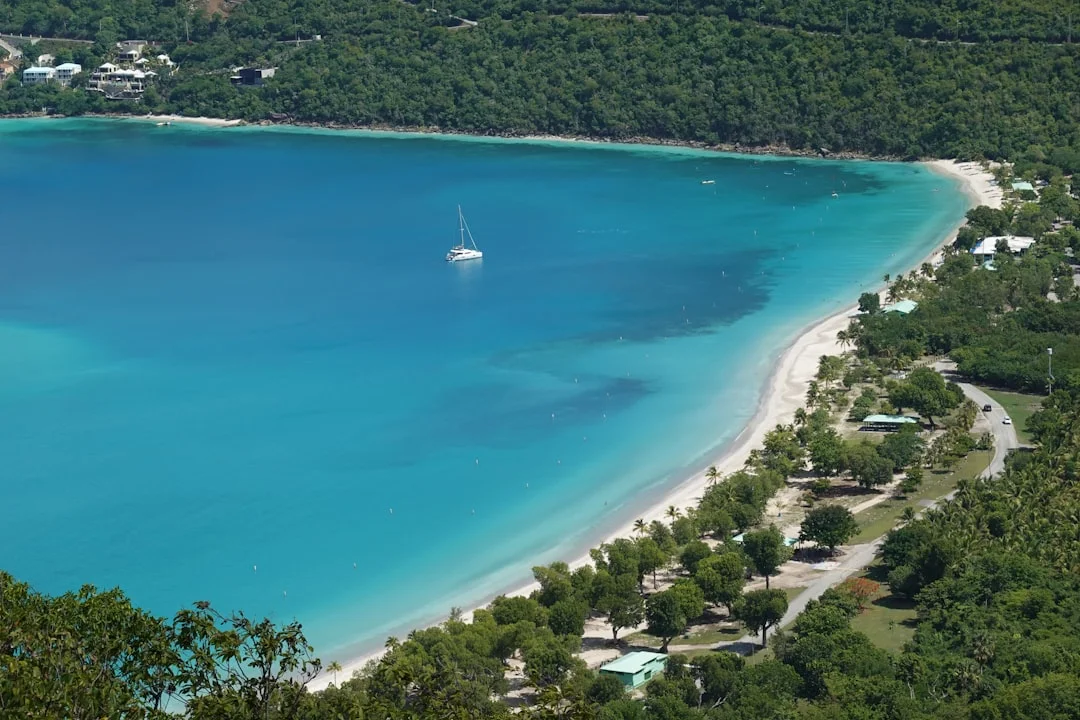
Photo by Island Guides on Unsplash
St. Martin / Sint Maarten — Two Countries, One Island
Split between France (north) and the Netherlands (south), this small island punches far above its weight for sailing infrastructure. Simpson Bay Lagoon is a massive protected anchorage ringed with marine services, chandleries, and affordable restaurants. It's the best place in the Caribbean to get boat work done at reasonable prices.
From St. Martin, you're within easy reach of:
- Anguilla (8 nm north): flat, dry, stunning beaches, upscale
- St. Barths (15 nm southeast): the Monaco of the Caribbean, megayachts and champagne
- Saba (28 nm south): a volcanic peak rising straight from the sea, world-class diving
The Heineken Regatta (early March) draws hundreds of boats for three days of racing and parties. Even if you don't race, it's worth being there for the atmosphere.
Grenada — The Spice Island
Grenada sits at the southern end of the hurricane belt, making it a popular place to keep boats during storm season. But it's far more than a hurricane hole. The island is lush, mountainous, and produces nutmeg, cinnamon, and cocoa — the air literally smells like spice when you're anchored in the lee of the west coast.
| Detail | Grenada |
|---|---|
| Best months | Year-round (below hurricane belt) |
| Typical wind | 12–18 knots E |
| Charter base | Port Louis Marina, True Blue Bay |
| Must-visit | St. George's harbor, Grand Anse Beach, underwater sculpture park |
St. George's is one of the most photogenic harbors in the Caribbean — a horseshoe bay surrounded by colorful Georgian buildings and a hilltop fort. The underwater sculpture park off Molinere Bay is the world's first — concrete figures colonized by coral, accessible by snorkel from your dinghy.
Grenada is also the starting point for sailing south to Trinidad and Tobago (90 nm) or north through the Grenadines. It works perfectly as a base for a two-week cruise.
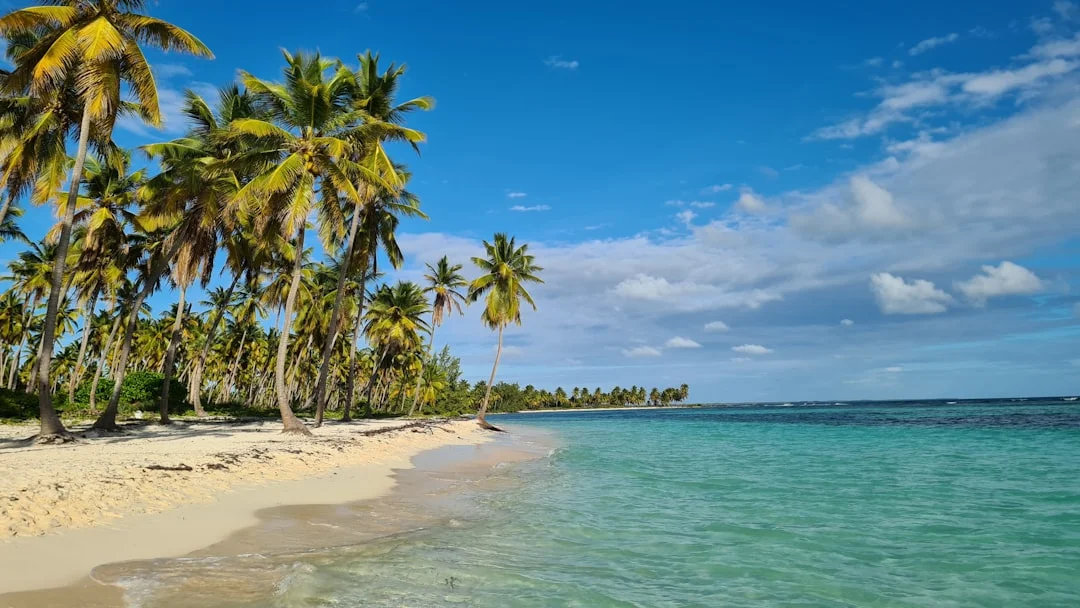
Photo by Holger Woizick on Unsplash
When to Sail the Caribbean
| Month | Conditions | Our Take |
|---|---|---|
| November | Season opens, good wind, low crowds | Great value — prices haven't peaked |
| December | Peak season starts, consistent trades | Excellent sailing, Christmas premium |
| January–March | Best weather, 15–20 kt trades, dry | Prime time. Book 6+ months ahead |
| April | Trades easing, end of high season | Good sailing, fewer boats, lower prices |
| May | Transition month, some rain | Acceptable for southern islands |
| June–November | Hurricane season | Avoid unless south of Grenada |
The critical rule: stay out of the hurricane zone (north of 12°N) from June through November. Grenada, Trinidad, Bonaire, Curacao, and Aruba are generally below the hurricane belt, but everything from the Grenadines north is at risk.
If you're planning a Caribbean passage from the US, our Florida to Bahamas sailing guide covers the first leg of the journey south.
Budget: What Does Caribbean Sailing Cost?
A one-week bareboat charter in the BVI or Grenadines on a 42-ft catamaran runs $5,000–$9,000 in high season. Add provisioning ($600–$1,000), fuel ($200–$400), mooring fees ($100–$300), and you're looking at $6,500–$11,000 total for a week, split among 6–8 people.
That's $800–$1,400 per person for a week of all-inclusive sailing in paradise. Hard to beat.
For cruisers on their own boats, the Caribbean is surprisingly affordable once you're there. Anchoring is mostly free, local produce is cheap at island markets, and rum is never expensive. Budget $1,500–$2,500/month for a couple living aboard comfortably.
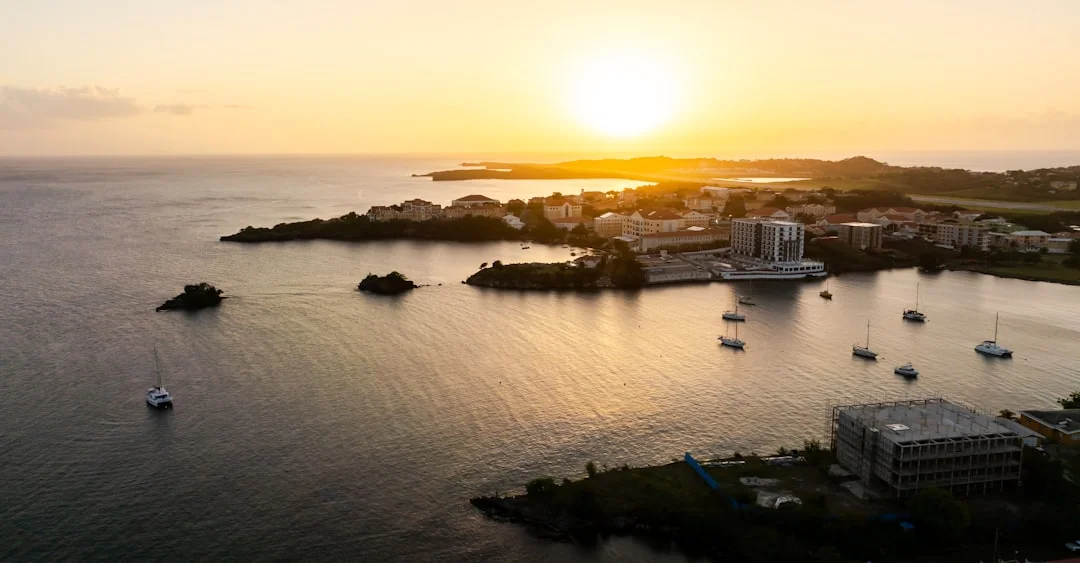
Photo by Hugh Whyte on Unsplash
Planning Your Caribbean Route
Use Breezada's sea distance calculator to map out your island-hopping route. The key principle: sail with the trade winds, which blow east to west. This means:
- Start your cruise upwind (east) and work downwind (west)
- In the BVI: start at Virgin Gorda, sail west to Jost Van Dyke
- In the Grenadines: start at Union Island, sail north to St. Vincent (or vice versa)
- Don't plan more than 20–25 nm per day — you're on holiday, not a delivery
Frequently Asked Questions
Which Caribbean island is best for first-time sailors?
The BVI, without question. Short distances, predictable wind, hundreds of mooring balls, well-charted waters, and English-speaking. It's specifically designed for charter sailing. The Grenadines are a close second but require more sailing confidence.
Is the Caribbean safe for sailing?
Yes — the sailing conditions are among the safest in the world during the season (November–May). The main risk is hurricane season (June–November). Petty theft from dinghies and unlocked boats occurs in some areas — lock your dinghy at night, don't leave valuables visible. The cruising community is well-connected via VHF nets and will warn about any issues.
Can I sail from Florida to the Caribbean?
Yes, but it's a multi-day offshore passage. From Miami to the BVI is about 1,100 nm — roughly a week of nonstop sailing. Most cruisers go via the Bahamas and Turks and Caicos, making it a series of shorter hops over 2–3 weeks. Check our Atlantic crossing guide for offshore passage planning.
What's the best Caribbean island for nightlife?
St. Martin (Dutch side), BVI (Jost Van Dyke's beach bars), and Antigua (English Harbour on weekends). The Grenadines and outer islands are quiet — if you want nightlife, stick to the charter hubs.
Do I need a captain's license?
For bareboat: you need an ASA 104 or equivalent sailing certification. The BVI and most Caribbean nations accept ASA, RYA Day Skipper, or ICC. If you don't have one, book a skippered charter — many charterers add a captain for their first trip and go bareboat after that. See our beginner sailing guide if you're starting from scratch.
About the Author
Related Articles
Amalfi Coast vs French Riviera Sailing Guide (Costs & Routes)
Compare Amalfi Coast vs French Riviera sailing—costs, crowds, mooring rules, best months, and 7-day routes. Choose your coast and plan now.
By Breezada Team
Puget Sound Cruising Guide to Gulf Islands Routes
Plan routes, anchorages, and weather windows with this Puget Sound cruising guide for the Gulf Islands & San Juans. Read now and start plotting.
By Breezada Team
Sailing Amalfi Coast Guide: Ports, Anchorages & Rules
Sailing Amalfi Coast guide to Capri, Positano & Amalfi: best ports, anchorages, fees, VHF and rules. Plan your route—read now.
By Breezada Team
Dry Tortugas Sailing: Routes, Anchoring & Permits
Plan Dry Tortugas sailing from Key West with routes, weather windows, anchoring/moorings, and permits. Read the guide and plan your trip.
By Breezada Team