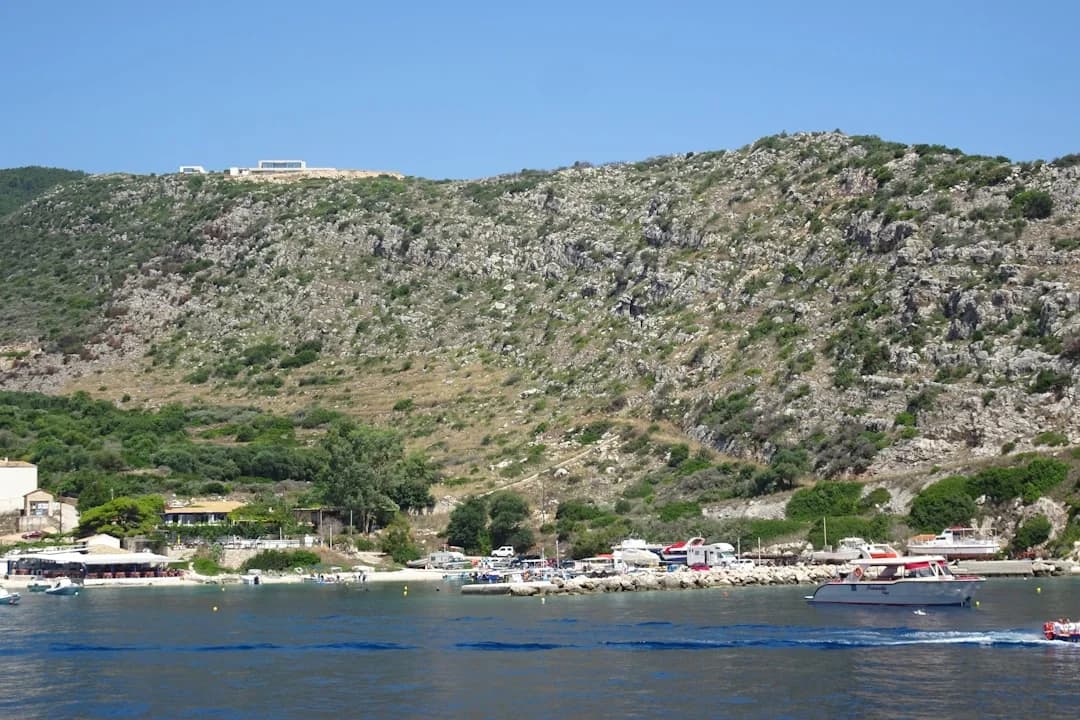
Croatia's Dalmatian coast has roughly 1,200 islands — only about 50 are inhabited — strung along 1,000 nm of coastline between Istria in the north and Dubrovnik in the south. The water is warm, the wind is manageable, medieval walled towns dot every major island, and the food is a mix of Italian, Balkan, and pure coastal Mediterranean. It's the fastest-growing sailing destination in Europe, and the crowds in July/August are the proof.
But Croatia's sailing reputation is built on the shoulder seasons — May/June and September/October — when the water is still warm, the harbors are half-empty, and a 42-foot catamaran costs $4,000/week instead of $9,000. If you can avoid August, Croatia is one of the best-value sailing grounds in the Med.
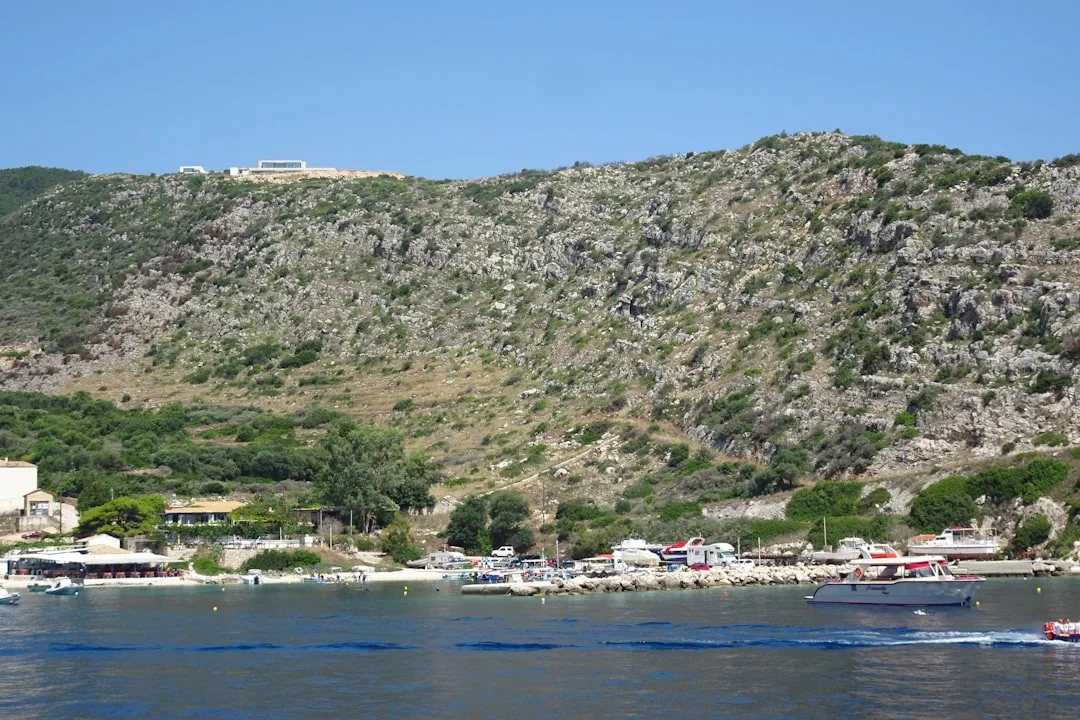
Photo by 12photostory on Unsplash
The Three Main Sailing Regions
Northern Dalmatia: Zadar to Sibenik
The Kornati archipelago — 89 mostly uninhabited islands — is the highlight. Rocky, barren, otherworldly. The bays are deep and protected, the water is crystal clear, and there are almost no people. Telascica Bay on Dugi Otok has a saltwater lake, dramatic cliffs, and a restaurant accessible only by boat. This region is less crowded because it lacks Hvar and Dubrovnik — that's exactly why savvy charterers choose it.
| Detail | Value |
|---|---|
| Charter base | Zadar, Biograd, Sibenik |
| Top stops | Kornati, Telascica Bay, Primosten |
| Daily distances | 10–20 nm |
| Crowd level | Low–moderate |
Central Dalmatia: Split to Hvar to Vis
This is where most first-timers sail. Split is built inside a Roman palace (Diocletian's). Hvar has nightlife, lavender fields, and a Venetian fortress. Vis — closed to foreigners until 1989 — is the most authentic island, with the spectacular Blue Cave just offshore on Bisevo.
Use Breezada's distance calculator to plan your route — Split to Hvar is about 25 nm, Hvar to Vis 15 nm, Vis to Korcula 25 nm. Comfortable day sails with time for swimming.
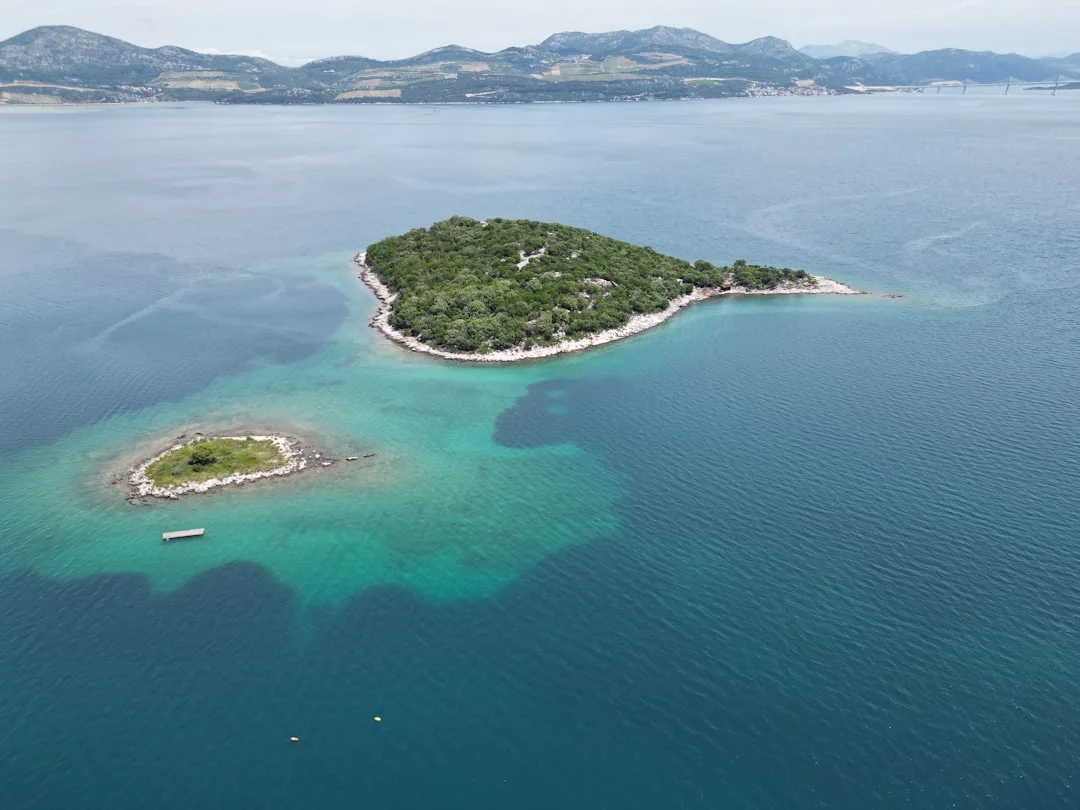
Photo by Ammar Sabanovic on Unsplash
Southern Dalmatia: Korcula to Dubrovnik
Korcula looks like a miniature Dubrovnik without the cruise ships. The old town's streets radiate from the central spine like a fish skeleton — designed to channel the breeze and block the Bura wind. Mljet is half national park — two saltwater lakes surrounded by forest, with a Benedictine monastery on an island within the lake. Dubrovnik arriving by sea — walls rising from the water, terracotta roofs gleaming — is one of sailing's great arrivals.
Wind and Weather
Maestral (NW thermal breeze): the reliable summer wind. Builds from late morning, peaks at 10–18 knots around 2–4pm, dies at sunset. Plan to sail afternoons.
Bura (NE): the dangerous one. Drops off the mountains with little warning, can reach 40+ knots. When the forecast says Bura, stay in port.
Jugo (SE): warm, humid, brings rain and swell. Builds over 2–3 days. Run to a north-facing bay.
| Month | Wind | Sea Temp | Verdict |
|---|---|---|---|
| May | 5–12 kt | 18°C | Uncrowded, bargain prices |
| June | 10–15 kt | 22°C | Best month. Warm, calm, not crowded |
| July | 12–18 kt | 24°C | Great sailing, getting busy |
| August | 12–18 kt | 25°C | Peak crowds, peak prices |
| September | 8–14 kt | 23°C | Second best. Fewer boats, warm water |
| October | 5–15 kt | 20°C | Season end, great value |
What It Costs
For a full breakdown by boat type, see our yacht charter cost guide.
| Expense | Low Season | High Season |
|---|---|---|
| 42-ft catamaran (weekly) | $3,500–$5,500 | $7,000–$10,000 |
| 38-ft monohull (weekly) | $2,000–$3,500 | $4,000–$6,000 |
| Marina (per night) | $40–$80 | $60–$120 |
| Restaurant dinner (2) | $30–$50 | $40–$70 |
Anchor out instead of marinas to save — Croatia has hundreds of free sheltered bays. Stock up at the supermarket in Split before departure; island prices are 20–30% higher.
Sample 7-Day Itinerary: Split to Split
| Day | From → To | Distance | Highlight |
|---|---|---|---|
| 1 | Split → Brac (Bol) | 12 nm | Zlatni Rat beach |
| 2 | Bol → Hvar Town | 15 nm | Nightlife, fortress, lavender |
| 3 | Hvar → Vis (Komiza) | 18 nm | Authentic fishing village |
| 4 | Vis → Blue Cave → Vis | 10 nm | Bisevo Blue Cave day trip |
| 5 | Vis → Korcula Town | 25 nm | Medieval walls, Marco Polo's birthplace |
| 6 | Korcula → Scedro → Hvar | 20 nm | Uninhabited island stop |
| 7 | Hvar → Split | 25 nm | Final sail home |
Total: ~125 nm. Use Breezada's calculator to customize waypoints and check distances.
Photo by Dan Kreibich on Unsplash
Practical Information
License Requirements
Croatia requires an ICC (International Certificate of Competence) for bareboat charter. RYA Day Skipper and ASA 104 also accepted. You also need a VHF radio certificate. No license? Book a skippered charter — our beginner sailing guide covers how to get started.
Provisioning
Split and Zadar have large supermarkets near marinas — stock up before departure. Island shops are limited and pricier. Fresh fish from harbor fishermen is the best deal. Croatian olive oil and wine are excellent.
Anchoring
Croatian waters are deep close to shore — anchor in 8–15 meters with a shore line to rocks. Carry 50+ meters of chain. Popular bays have restaurant mooring buoys — pick up a buoy, eat at the restaurant, stay free. For anchoring technique, see our complete anchoring guide.
Frequently Asked Questions
Is Croatia good for beginner sailors?
Yes — light winds, short distances, well-charted waters, excellent infrastructure. The Maestral is predictable and gentle. Only challenge is Med-mooring (stern-to docking). Consider a skippered charter for your first trip.
Split or Dubrovnik as a base?
Split for more island options (Hvar, Vis, Brac, Korcula all within reach) and cheaper flights. Dubrovnik for southern islands (Mljet, Elaphiti) and finishing at the city. One-way charters cover the most ground.
How many islands in a week?
5–7 comfortably, with 15–25 nm daily sails. Don't rush — the point is lingering at each stop, swimming in empty bays, and eating grilled fish at waterside konobas.
Is Croatia crowded?
In July/August, popular harbors fill by early afternoon. Arrive before 1pm. In June and September, manageable. In May and October, you'll have anchorages to yourself.
About the Author
Related Articles
Amalfi Coast vs French Riviera Sailing Guide (Costs & Routes)
Compare Amalfi Coast vs French Riviera sailing—costs, crowds, mooring rules, best months, and 7-day routes. Choose your coast and plan now.
By Breezada Team
Puget Sound Cruising Guide to Gulf Islands Routes
Plan routes, anchorages, and weather windows with this Puget Sound cruising guide for the Gulf Islands & San Juans. Read now and start plotting.
By Breezada Team
Sailing Amalfi Coast Guide: Ports, Anchorages & Rules
Sailing Amalfi Coast guide to Capri, Positano & Amalfi: best ports, anchorages, fees, VHF and rules. Plan your route—read now.
By Breezada Team
Dry Tortugas Sailing: Routes, Anchoring & Permits
Plan Dry Tortugas sailing from Key West with routes, weather windows, anchoring/moorings, and permits. Read the guide and plan your trip.
By Breezada Team