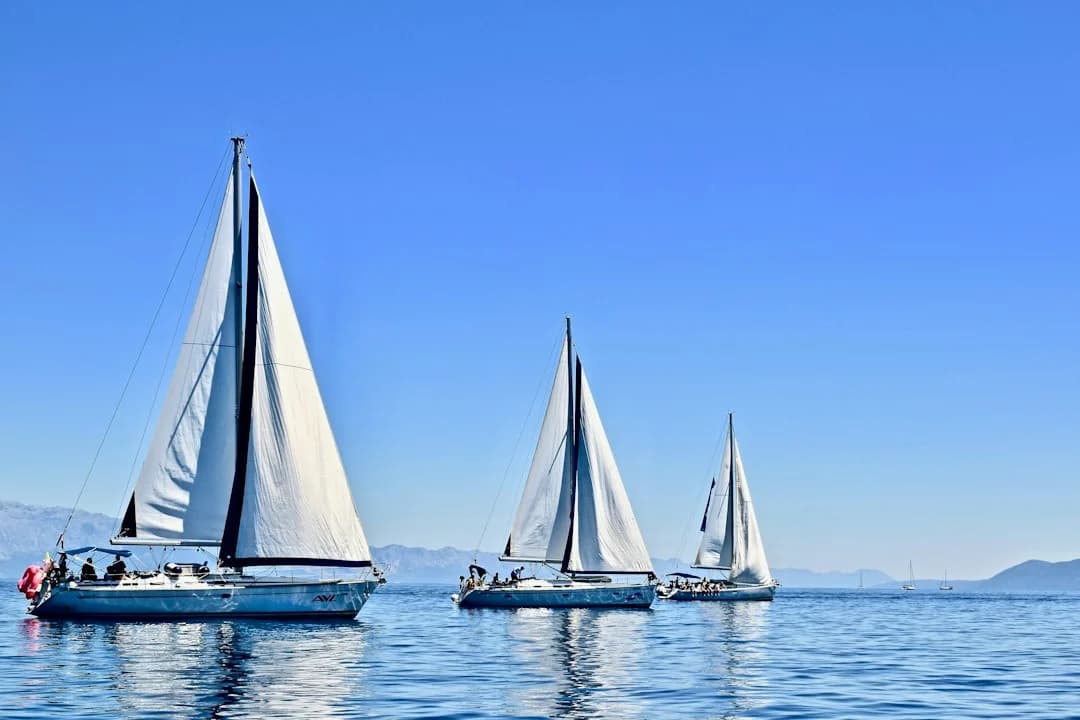
Sailing the Grenadines Itinerary: 7–10 Days (St. Vincent to Grenada)
You can sail the Grenadines in a week and tell your friends you “did it all.” You can also do it in 10 days and actually remember what you saw. This sailing the Grenadines itinerary is built as a realistic down-island run from St. Vincent to Grenada, with short legs, reef-fringed anchorages, and enough buffer to avoid the classic mistake: arriving late, tired, and squinting at coral heads.
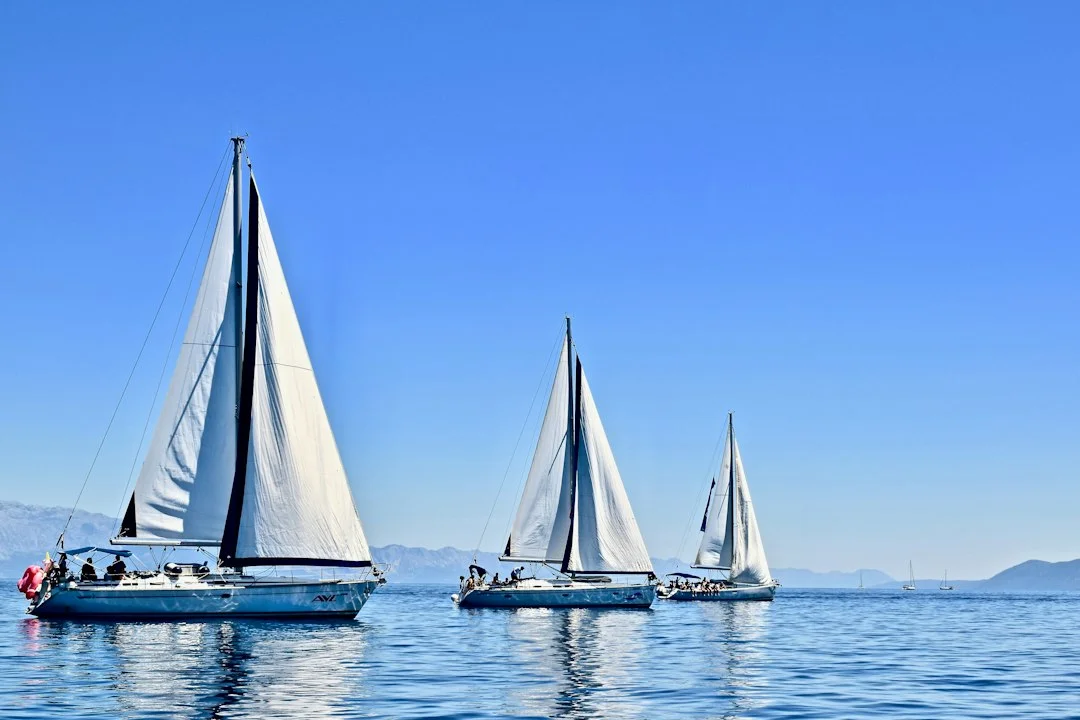
Photo by Karla Car on Unsplash
Route overview: St. Vincent to Grenada in 7–10 days
Why this route works with the trades
Most of the year you’ll see E to NE trade winds around 15–25 kt, and the Grenadines are laid out like stepping-stones downwind. The “spine” route—St. Vincent → Bequia → Canouan/Mayreau → Tobago Cays → Union → Carriacou → Grenada—keeps you mostly reaching and broad-reaching, which is what charter crews deserve. Expect acceleration zones between islands where it’s routinely +5 kt more breeze than the forecast promised.
The trick is remembering that short legs don’t mean short days. In the Grenadines, anchoring, snorkeling, park fees, dinghy logistics, and clearing formalities can eat as much time as sailing. A 10–20 NM hop looks cute on paper until you add reef navigation at arrival and a stern-to dock with an audience.
Sea distance, typical legs, and time-underway math
From Blue Lagoon/Young Island Cut to St. George’s, Grenada via the usual stops, total distance is typically ~55–75 NM, depending on your exact anchorages and any tacking angles. Common legs are: St. Vincent→Bequia ~9–11 NM, Bequia→Canouan ~18–22 NM, Canouan→Mayreau/Tobago Cays ~8–12 NM, Union→Carriacou ~12–15 NM, and Carriacou→Grenada ~20–25 NM. If you want to sanity-check your own version, calculate the distance between ports and compare “as-the-crow-flies” versus the route you’ll actually sail.
Planning speeds: a cruising monohull averages 5–7 kt, and a cruising cat often averages 6–9 kt. So that “typical” 15 NM leg is usually 2–3 hours underway, plus time to raise/lower sails, dodge squalls, and circle for sand patches. Build your daily plan around arrival workload, not just miles.
7 vs. 10 days: how to choose the right pacing
Choose 7 days if you want highlights and can live with early departures and fewer lay days. Choose 10 days if you want a weather lever when it’s blowing 20–25 kt, or if you’d rather snorkel Tobago Cays twice than sprint through it once. Your biggest safety habit should be simple: plan arrivals with more than 2 hours of daylight for reef and sand-patch identification, especially around Mayreau/Tobago Cays.
If your crew likes long lunches, pick 10 days. If your crew likes checking boxes, pick 7 days and keep the rum ration for after the anchor is set. Either way, check the nautical miles for your planned route before the trip, then plan departures backward from “anchor down by 1500.”
Pre-departure planning in St. Vincent (documents, boat checks, provisioning)
Clearance mindset: what to confirm before you cast off
Before you even think about leaving the dock, decide how many nights you’ll anchor versus moor, and how many days you’ll spend in Tobago Cays Marine Park. Those two choices drive both schedule and budget more than sail trim ever will. Have passports, crew list, vessel papers, charter contract, and copies in a dry folder, plus cash in small bills for rangers, moorings, and the occasional “helpful” dock hand.
Also confirm your clearance plan if you’re continuing into Grenada. You’ll typically clear out of SVG and then clear into Grenada, and office hours can turn a same-day arrival into a dock-sleeping contest. Avoid making landfall late afternoon with no plan; paperwork is rarely improved by sunset.
Charter-boat systems checks (ABYC/ISO-informed)
You don’t need to quote standards to the charter base, but you should check the boat like someone who’s read them. Under ABYC H-22, confirm bilge pumps run in AUTO and MANUAL, and that the float switch actually triggers—rolly anchorages like Admiralty Bay can make minor leaks show up fast. Under ABYC H-27, locate every seacock, verify you can reach it, and practice closing the ones that matter; you don’t want to discover a stuck valve when a head hose lets go at 0200.
For electrical, ABYC E-11 and ISO 10133 boil down to one practical point: learn your DC panel, battery monitor, and charging sources before you leave the dock. A fridge, instruments, and autopilot can pull 60–120 Ah/day easily, and short hops don’t always replace that unless the alternator is charging properly or solar is doing real work. Test nav lights and avoid night entries—COLREGS / USCG 33 CFR 83 is clear, but reefs don’t care how good your tricolor is.
Provisioning strategy: buy big on the ends, top-up mid-chain
Provision heavy in St. Vincent (or later in Grenada) and top-up lightly in between. Small islands can be limited, and “imported” often means “priced like it arrived by helicopter.” For 2 people over 7–10 days, a realistic grocery spend is ~US$250–600, depending on how many imported items and how much you treat the cockpit as a floating cocktail bar.
Carry more drinking water than you think you need, even if you’ll fill later. Water commonly costs ~US$0.10–0.30/gal in jugs, or US$10–40 per fill at a dock or via a porter depending on tank size and hustle level. Ice is rarely free and usually worth it anyway at US$4–10/bag.
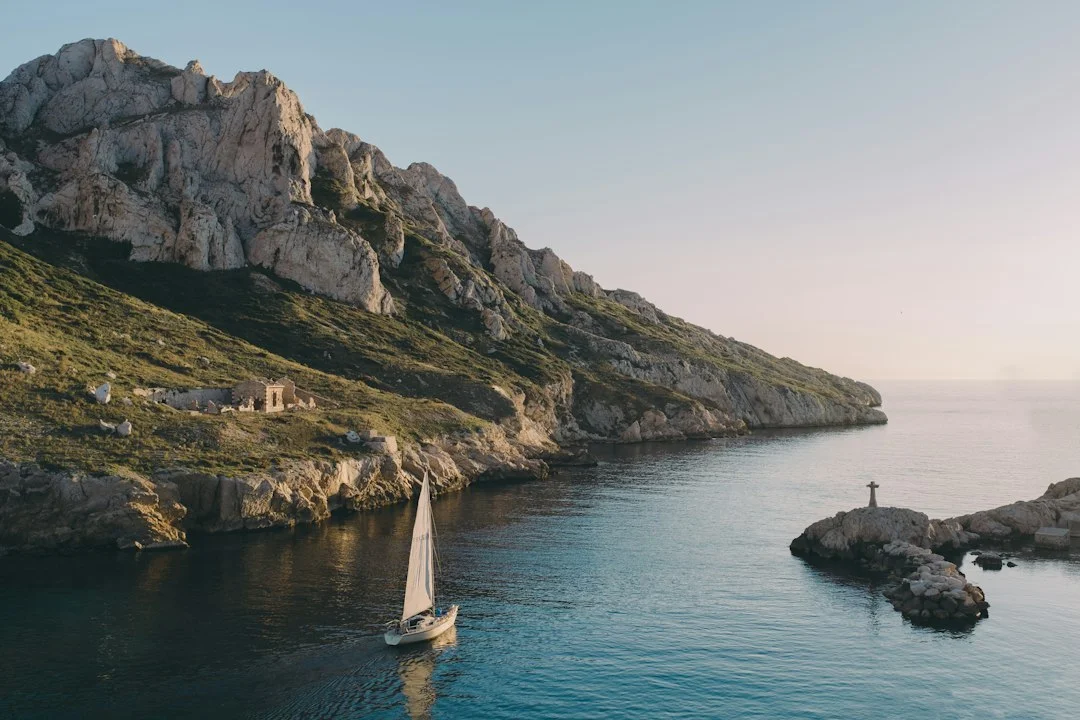
Photo by Matthieu Da Cruz on Unsplash
7-day Grenadines sailing itinerary: day-by-day legs, anchorages, and fees
This is the runnable 7 day Grenadines sailing itinerary that matches the down-island wind pattern and keeps arrivals in good light. Times assume 5–7 kt (monohull) or 6–9 kt (cat), and a skipper who doesn’t treat reefs as theoretical.
Days 1–2: St. Vincent → Bequia (Admiralty Bay) setup
Day 1: Blue Lagoon/Young Island Cut to Bequia (Admiralty Bay) is ~9–11 NM, typically ~1.5–2 hours. Aim to arrive by 1300–1500, because picking a good spot is half the battle when it’s busy. Anchoring depths are commonly 10–25 ft (3–8 m) over sand patches, with 30–60 ft (9–18 m) waiting just outside if you drift.
If the bay is rolly or crowded, a mooring can be the sane move at ~US$25–60/night depending on the field and season. Dinghy security matters here: lock it, pull the fuel tank if you can, and don’t leave phones in the cupholder like you’re parked at a suburban mall.
Day 2: Use Bequia as your systems shakedown. Check charging, water consumption, and whether your anchor alarm is set to a radius that matches your actual chain length, not your optimism. If swell wraps in overnight, increase scope and reset early; it’s easier at 0700 than at midnight.
Days 3–4: Bequia → Canouan → Mayreau/Tobago Cays
Day 3: Bequia to Canouan is ~18–22 NM, usually ~2.5–4 hours depending on angle and how much you motor in the lulls. Leave by 0800–0900 and arrive with time to sort your landing plan. Moorings are common in high-demand areas, and paying US$30–60 can be cheaper than dragging into someone else’s gelcoat.
Day 4: Canouan to Mayreau/Tobago Cays is ~8–12 NM, typically ~1.5–2.5 hours. This is where “arrive with 2+ hours daylight” stops being advice and becomes policy. The Marine Park is often ~US$10–20 per person per day (or a boat-based equivalent), so for a couple budget ~US$40–120/day depending on what the rangers are collecting that week.
Anchoring is about sand discipline. Set in ~12–20 ft (4–6 m) on sand, not in the inviting-looking grass that will both fail to hold and ruin the place for the next skipper. If you’re not sure, snorkel-check—just do it before the afternoon gusts kick up.
Days 5–7: Union → Carriacou → Grenada (St. George’s)
Day 5: Move from Tobago Cays area to Union Island (Clifton Harbour)—often a short repositioning hop of ~3–8 NM depending on where you slept. Clifton can be shallow in spots, so catamarans drawing 1.2–1.5 m should enter in good light and keep a tight eye on color changes. If you’re tired, grab a mooring; if you’re stubborn, anchor only on clear sand with room to swing.
Day 6: Carriacou to Union Island sail is a common question, but you’re going the other way today: Union to Carriacou is ~12–15 NM, typically ~2–3 hours. This leg can be lively in the channel with trades funneling, so reef early and spare your crew the foredeck ballet. Pick an anchorage with sand, not one that forces you into 30–60 ft just to stay off coral.
Day 7: Carriacou to Grenada (St. George’s area) is ~20–25 NM, usually ~3–5 hours depending on sea state and how close you can lay the course. Plan your arrival so you’re not hunting for a spot at 1700, because clearance, fuel docks, and marinas run on human hours. Diesel is typically ~US$5.50–8.50/gal, and you’ll want tanks in decent shape before turning the boat back in.
Tip box (captain’s reality check):
If the plan requires a reef-fringed anchorage arrival with less than 2 hours of daylight, the plan is wrong. Shorten the leg, pay for a mooring (US$25–60), or add a lay day—your insurance deductible will not applaud your efficiency.
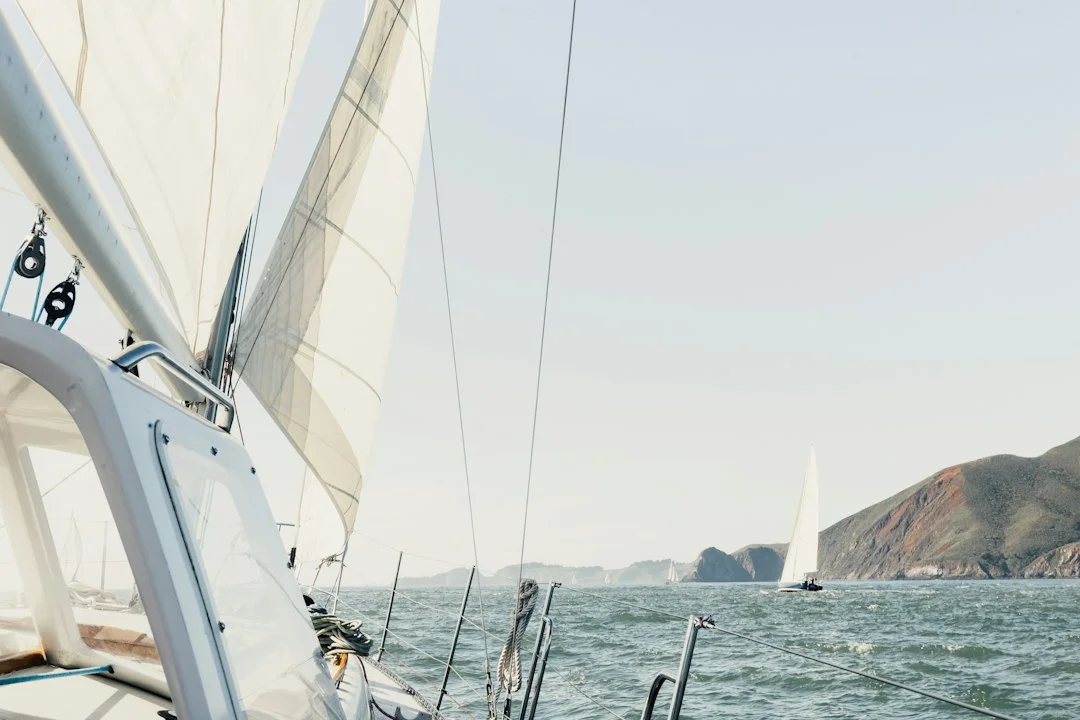
Photo by Thom Milkovic on Unsplash
10-day itinerary options: lay days, alternates, and crowd-avoidance timing
A 10 day Grenadines sailing itinerary uses the same spine route, but buys you what matters offshore: rest, daylight margin, and choices when it’s blowing the usual 15–25 kt with gusty acceleration zones. This is where the trip stops feeling like a delivery.
Where to add 2–3 nights without rushing
Add a second night in Bequia if your crew wants a proper first dinner ashore and you want time to fix the one thing the charter briefing “forgot.” Add 1–2 extra nights in the Tobago Cays/Mayreau area if snorkeling is the point of the trip, which it usually is. Yes, each extra day can add ~US$40–120/day for a couple in park fees, but it’s also the best water time in the chain.
Union and Carriacou are good buffer stops when the trades are punching. A lay day there lets you wait out a bouncy channel crossing, refill water, and avoid forcing the final hop to Grenada in a steep chop.
Alternate stops: Mustique, extra Carriacou, or a Grenada north-coast pause
If you want a detour, Mustique is the classic add, but treat it as a budget decision as much as a routing decision. You’re still dealing with similar 10–25 ft (3–8 m) anchoring depths, but more demand, more moorings, and less patience for dragging. Another smart alternate is simply “more Carriacou,” especially if you want a calmer evening before the 20–25 NM Grenada leg.
On the Grenada end, consider a north-coast pause if conditions are lumpy and you want to time your St. George’s arrival for office hours. The route isn’t hard, but clearance delays are a miserable way to end a vacation.
Timing tactics: beat the mooring rush and reduce swell exposure
Crowds and swell are both easier to manage with the same habit: move early. Depart around 0800–0900, arrive before mid-afternoon, and you’ll have daylight for color reading and a better shot at moorings. Swell wrap can turn “fine at lunch” into “why is the boat dancing” by midnight, especially in more open bays.
If it’s 20–25 kt and steep, shorten legs and pick protection over prestige. Reefing early is not cowardice; it’s fatigue management, and fatigue is what makes skippers do dumb things close to reefs.
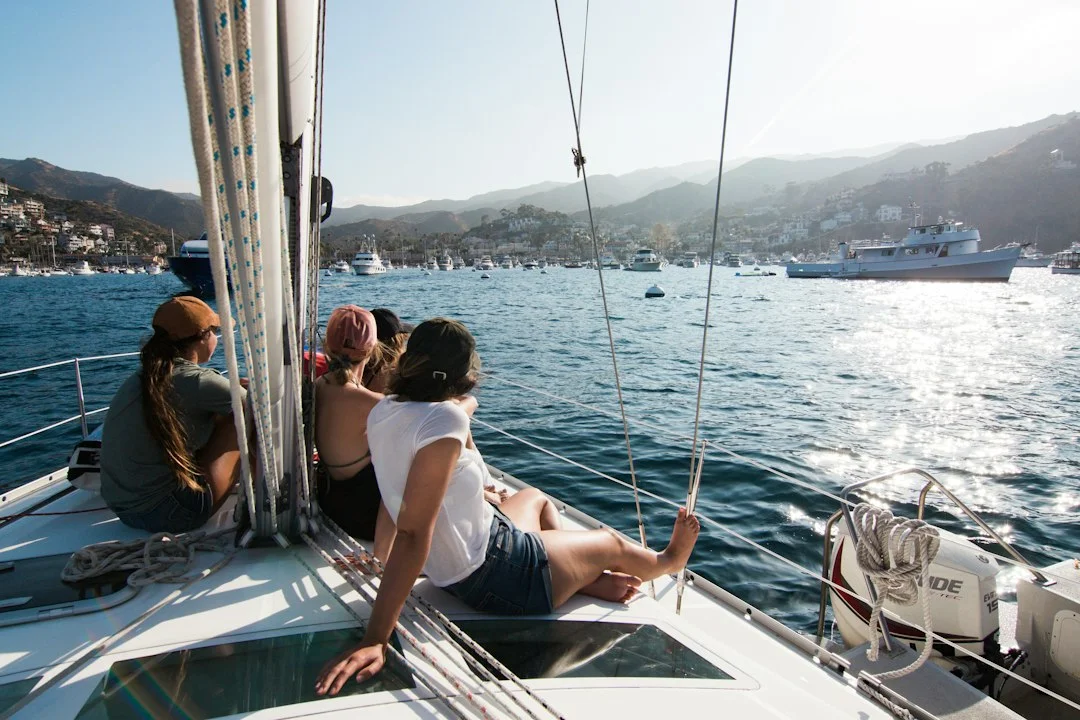
Photo by Luke Bender on Unsplash
Best anchorages by island: depths, bottoms, swell wrap, and moorings
You’ll hear “good holding” thrown around in the Grenadines like it’s universal. It isn’t. Many anchorages are sand patches surrounded by grass and coral, with rapid drop-offs from 5–8 m into 12–18 m if you miss your spot. That’s why this section is about bottoms and swell, not romance.
Reading the bottom: sand patches vs. grass vs. coral
Plan to anchor in 10–25 ft (3–8 m) on sand whenever possible, because it holds and it’s the right environmental call. The best practice in these islands is simple: anchor on sand in ~12–20 ft (4–6 m) and avoid seagrass/coral, both for compliance and because grass sets are notoriously sketchy. If you need the math in metric: depth 5 m + bow height 1.5 m = 6.5 m total; at 5:1 that’s 32.5 m rode, and at 7:1 it’s 45.5 m.
Island-by-island, here’s the practical read: St. Vincent (Blue Lagoon) is a fine staging spot but can be busy and rolly with traffic. Bequia (Admiralty Bay) has sand pockets and good services, but swell wrap can show up and make you wish you’d put out 7:1. Canouan and Mayreau have gorgeous water and unforgiving edges; arrive in bright sun, not under a rain squall.
High-demand bays: when a mooring is the smarter choice
A mooring is smart when three things happen at once: high crowding, limited sand, and swell/surge that makes anchoring less comfortable. That’s common in places like Bequia during peak weeks, and around the Tobago Cays/Mayreau area when everyone has the same idea. At US$25–60/night, a mooring can be cheaper than the wear-and-tear of repeated anchoring attempts, not to mention the social cost of dragging.
Union (Clifton) and some Carriacou spots can be shallow and patchy, which increases the value of a known good mooring—assuming it’s maintained. If you do take one, inspect the pendant and hardware like you’re paying the repair bill, because you might be.
Tobago Cays anchoring guide: scope, set-check, and park rules
Tobago Cays is where technique matters. Enter with the sun high, pick a sand patch in ~4–6 m, drop with control, and back down hard enough to know it’s set before you open a beer. Then snorkel-check if visibility allows, because a “great set” on grass is often just a polite suggestion.
Park rules are enforced by rangers collecting fees, commonly ~US$10–20 pp/day (or an equivalent boat fee). The no-discharge expectation aligns with ABYC A-1 best practice: use your holding tank and save overboard discharge for legal offshore situations, not turquoise lagoons full of snorkelers. Re-check your position at dusk; wind shifts are minor, but current and swell wrap can change your swing and neighbor relationships quickly.
Photo by Kaur Martin on Unsplash
Fees and real-world costs for 7–10 days (sample budgets included)
The Grenadines aren’t “cheap,” but they are predictable if you understand the buckets: mooring nights, Tobago Cays fees, fuel, water/ice, meals ashore, and clearance/admin. Anchoring itself is usually US$0/night, which tempts people to ignore the other line items until they’re paying in cash with wet shorts.
What you’ll actually pay: moorings, park fees, services
Moorings in high-demand areas run ~US$25–60/night, depending on location and what’s included. Tobago Cays Marine Park is the other major variable at ~US$10–20 per person per day, so for a couple plan ~US$40–120/day if you spend time there. Local boat services—trash pickup, water runs, ice delivery—often land in the US$5–20 range, and it adds up in a week.
Carry small bills and confirm pricing before accepting help. The islands run on relationships and cash, and confusion is rarely resolved in your favor.
Fuel, water, and provisions: realistic planning ranges
For a sailing-focused week, expect ~10–30 gallons of diesel burned over 7–10 days, which at US$5.50–8.50/gal is roughly US$55–255. If you motor for charging, push into calms, or run air-con (some charter cats try), budget more. Water is commonly US$10–40 per fill or US$0.10–0.30/gal in jugs, and ice is US$4–10/bag—not optional once the fridge starts losing the battle.
Provisions for two people typically land at ~US$250–600 for 7–10 days. Meals ashore are usually US$12–35 per person, and a seasonal lobster plate is often US$25–60 per person, depending on where you sit and how photogenic the sunset is.
Clearance/admin fees: SVG and Grenada transitions
Clearance and admin fees commonly fall in the US$20–80 range per clearance event, varying by port and timing. If you’re going SVG → Grenada, treat it as two separate events: exit SVG and enter Grenada. The best money you’ll spend is often a taxi to arrive during office hours instead of “tomorrow,” which turns into “after lunch,” which turns into “why are we still here.”
Here’s a planning table that matches what crews actually spend when they stop arguing with reality:
| Cost Category | All-Anchor Budget (7 days) | All-Anchor Budget (10 days) | Comfort & Convenience (7 days) | Comfort & Convenience (10 days) |
|---|---|---|---|---|
| Tobago Cays / marine park fees | $120–$240 (1–2 days) | $240–$600 (2–5 days) | $120–$240 | $240–$600 |
| Moorings | $0–$120 (0–2 nights) | $0–$180 (0–3 nights) | $210–$420 (4–7 nights) | $300–$600 (5–10 nights) |
| Fuel (diesel) | $55–$180 (10–22 gal) | $80–$255 (15–30 gal) | $80–$220 | $120–$300 |
| Water + ice | $30–$90 | $45–$140 | $60–$160 | $90–$220 |
| Provisions (groceries) | $250–$450 | $350–$600 | $300–$550 | $400–$700 |
| Dining ashore | $80–$220 | $120–$350 | $200–$450 | $300–$650 |
| Clearance/admin (SVG + Grenada) | $40–$160 | $40–$160 | $40–$160 | $40–$160 |
| Misc. services/taxis/laundry | $40–$120 | $60–$180 | $80–$200 | $120–$280 |
| Estimated total (couple) | $615–$1,350 | $935–$2,465 | $1,090–$2,400 | $1,460–$3,510 |
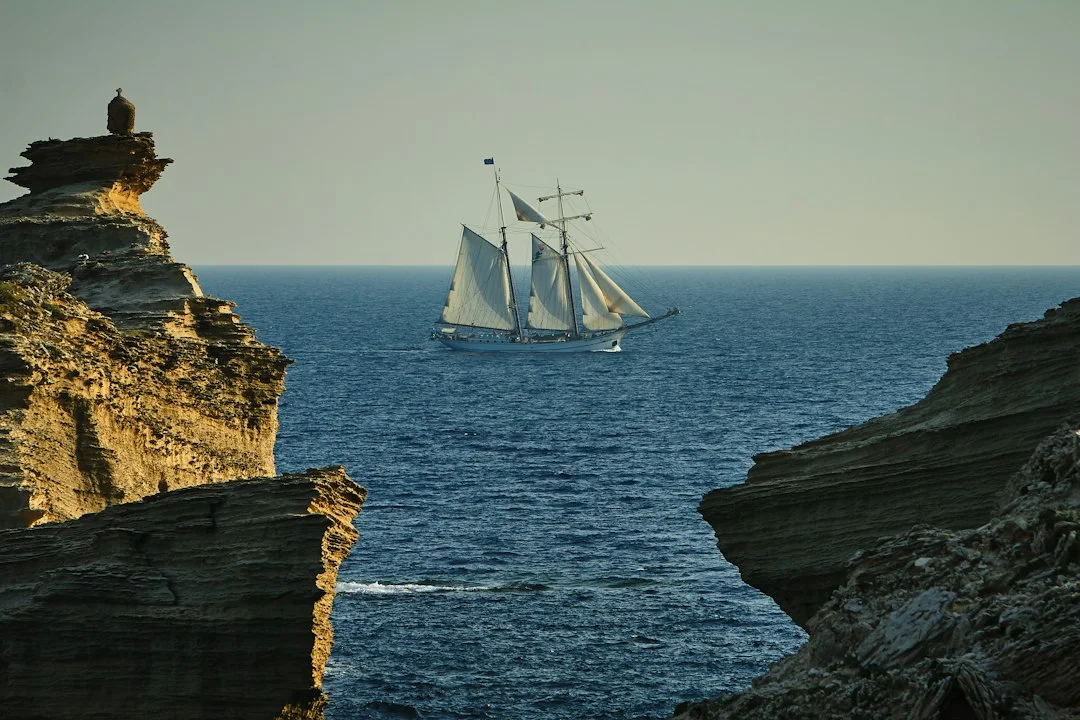
Photo by Vidar Nordli-Mathisen on Unsplash
Seamanship and safety: trade winds, reefing, anchoring, and dinghy security
Short passages in the Grenadines create a specific kind of risk: you’re close to land, close to reefs, and tempted to “just send it” because it’s only 12–20 NM. That’s how you end up reefing late, anchoring rushed, and arriving with no daylight margin.
Wind acceleration zones and conservative reefing triggers
Expect the routine pattern: 15–25 kt trades, then +5 kt in the gaps between islands where wind funnels and seas steepen. On cats, reef earlier than you think you need because windage is real and the boat accelerates quickly in gusts. A practical trigger is reefing when apparent sits around 18–20 kt for more than a few minutes, especially before a channel crossing.
If you’re tempted to carry full canvas because “it’s only two hours,” remember that two hours is long enough to break gear, exhaust crew, and turn a simple arrival into a messy one. Comfort is a safety system, not a luxury.
Anchoring execution: set, verify, and plan for swing + surge
In patchy holding, approach slow, drop precisely, and back down with intention. Typical charter ground tackle baselines: a 38–45 ft monohull often carries a 15–25 kg anchor with 60–80 m chain, while a 40–45 ft cat often carries a 20–30 kg anchor with 60–100 m chain—but verify markings and windlass function before leaving St. Vincent. Use scope that matches conditions, not pride.
If you want the imperial quick math: 15 ft depth + 5 ft bow height ≈ 20 ft total, so 5:1 ≈ 100 ft rode and 7:1 ≈ 140 ft. In places like Admiralty Bay when swell wraps in, 7:1 is often what stops the midnight anchor-watch musical. Always sanity-check swing radius against neighbors; crowded anchorages turn small errors into loud conversations.
Operating standards that matter on charters (COLREGS/ABYC/ISO)
Under COLREGS (USCG 33 CFR 83), keep proper nav lights, maintain a lookout, and don’t weave through anchored boats under power like you’re late for a flight. In practice: avoid night entries into reef-fringed anchorages like Mayreau and Tobago Cays, because “plotter confidence” is not the same as local visibility. ISO 12217 reminds you your CE category isn’t permission to ignore squalls; it’s just design intent, and charter boats live hard lives.
Dinghy security is its own seamanship discipline. Lock it, shorten the painter so it can’t chafe on a dock edge, and store outboard fuel smartly—gasoline is commonly US$6–10/gal, and it disappears faster than you think when you’re doing multiple beach runs. Monitor VHF 16, but use local working channels when assigned, and brief your crew on how to make a clear urgency call without narrating their life story.
Grenada arrival: Carriacou-to-Grenada leg, landfalls, and clearance workflow
Carriacou to Grenada passage planning and timing
The Carriacou-to-Grenada leg is usually ~20–25 NM, and at 6–8 kt you’re looking at ~3–4.5 hours plus departure/arrival maneuvering. Trades are often on the beam to forward of it, so don’t assume a flat ride; set up the boat before you leave, not when the sea state starts auditioning your galleyware. If you want to confirm your exact routing distance and fuel assumptions, estimate your fuel needs based on the voyage distance and add a cushion for tacking or detours.
Time your departure to arrive during clearance hours, not just “before dark.” St. George’s is straightforward, but turning up late is how you end up paying for a marina night you didn’t want.
Grenada clearance steps, fees, and common delay points
Clearance sequencing is usually simple: secure the boat, take documents, and clear with the right offices in the right order. Expect ~US$20–80 in admin fees for the event, sometimes more depending on ports and paperwork requirements. Delays usually come from missing copies, mismatched crew lists, or arriving when offices are closed for lunch, weekends, or holidays.
Have passports, vessel registration, insurance, crew list copies, and your SVG exit paperwork ready to hand over. If you’re missing something, you’ll learn new neighborhoods the hard way.
End-of-trip logistics: fuel, water, and marina vs anchorage
After clearing in, decide if you want an anchorage night or a plug-in reset. A marina night for a 40–50 ft boat commonly runs ~US$80–200/night, but you’ll often get reliable water, power, and an easier fuel dock approach. Water fills often land around US$10–40, and diesel remains roughly US$5.50–8.50/gal depending on location and month.
Here’s a quick decision table for typical arrival choices:
| Grenada arrival option | Best for | Tradeoffs | Typical cost | Resupply access |
|---|---|---|---|---|
| St. George’s (anchorage) | Fast clearance + close to town | Can be busy/rolly in some conditions | $0 anchoring (plus fees) | Excellent groceries, fuel nearby |
| St. George’s (marina) | Easy water/power + check-out logistics | Costs add up quickly | $80–$200/night | Excellent, walk/taxi easy |
| Alternative north/south anchorages | Waiting for office hours or weather | Longer dinghy rides, fewer services | $0 anchoring | Variable; often limited |
Frequently Asked Questions
For a 40–45 ft catamaran drawing 1.2–1.5 m, what is the safest approach and turning strategy for entering Clifton Harbour (Union Island) and selecting a sand patch without risking shoals?
Enter only in strong daylight with the sun behind you if possible, and keep speed down around 2–4 kt so you have time to read water color changes. Favor the most obvious deeper-water coloration and avoid “milky” patches that can indicate stirred sand over shallow shelves, then do your turning in the wider basin rather than near the edges. Once inside, pick a clearly defined sand patch in ~3–6 m and confirm your swing room before you commit; cats don’t pivot like dinghies, and prop-walking tricks won’t save you in skinny water.
How do you calculate rode length for 5:1 vs 7:1 scope in 5–6 m depths in Tobago Cays when swell wrap is present, and what swing radius checks prevent anchor conflicts in crowded fields?
Add depth plus bow height, then multiply by scope: for 5 m depth + 1.5 m bow height = 6.5 m, you need 32.5 m rode at 5:1 and 45.5 m at 7:1. If swell wrap is present, 7:1 is often the comfortable minimum, especially with catamaran windage and gusts. For swing radius, assume your boat can swing nearly the length of your rode plus boat length; set an anchor alarm radius that matches that reality, then eyeball neighbors’ rodes and ensure you’re not crossing their likely swing circles at peak wind.
What VHF channels and calling protocol should you use when approaching Bequia/Admiralty Bay and Grenada ports, and how do you manage bridge-to-bridge traffic in busy anchorages while monitoring 16?
Monitor VHF 16 for hailing and safety traffic, then shift to the locally assigned working channel once a marina, port, or service responds (they’ll tell you where to go). Keep calls short: vessel name, who you’re calling, your position, and your request—no narration. In crowded anchorages, slow down, keep a sharp lookout per COLREGS, and avoid extended chats on 16; do your “bridge-to-bridge” coordination briefly, then move to a working channel or handheld if needed.
What paperwork and sequencing typically reduces delays when clearing out of SVG and into Grenada (crew list, vessel docs, zarpe), and how do office hours affect same-day arrival plans?
Have passports, crew list (multiple copies), vessel registration, insurance, and your charter paperwork ready, plus your SVG exit documentation (often including a zarpe/clearance-out paperwork depending on office practice). Clear out of SVG before departure, then clear into Grenada promptly after arrival, ideally during morning/early afternoon office hours. Office hours can make or break a same-day plan; arriving late afternoon often means you’re waiting until the next business window, which is a lousy use of a vacation day.
What is a realistic fuel-burn plan for a twin-diesel charter cat (combined 1.2–3.0 gph) on a 7–10 day itinerary with intermittent motoring, and how should you buffer for calms and charging needs?
If you motor an average of 10–20 hours over a week (charging, tight channels, and a few calms), at 1.2–3.0 gph combined you’re looking at roughly 12–60 gallons, though many sailing-focused crews land closer to 10–30 gallons total for the trip. Buffer extra fuel for days when you need engine hours to keep batteries healthy—fridges and autopilots can demand steady charging even when distances are short. A practical buffer is planning 25–30% more than your “perfect sailing” number, then treating any leftover fuel as a victory rather than a mistake.
About the Author
Related Articles
Amalfi Coast vs French Riviera Sailing Guide (Costs & Routes)
Compare Amalfi Coast vs French Riviera sailing—costs, crowds, mooring rules, best months, and 7-day routes. Choose your coast and plan now.
By Breezada Team
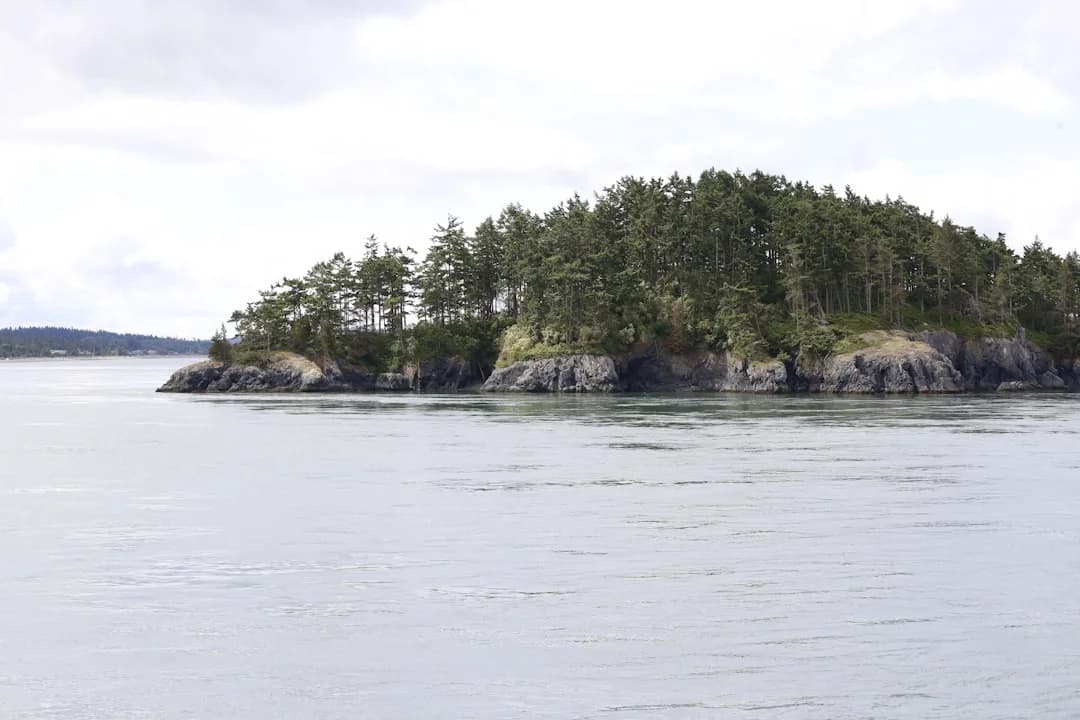
Puget Sound Cruising Guide to Gulf Islands Routes
Plan routes, anchorages, and weather windows with this Puget Sound cruising guide for the Gulf Islands & San Juans. Read now and start plotting.
By Breezada Team
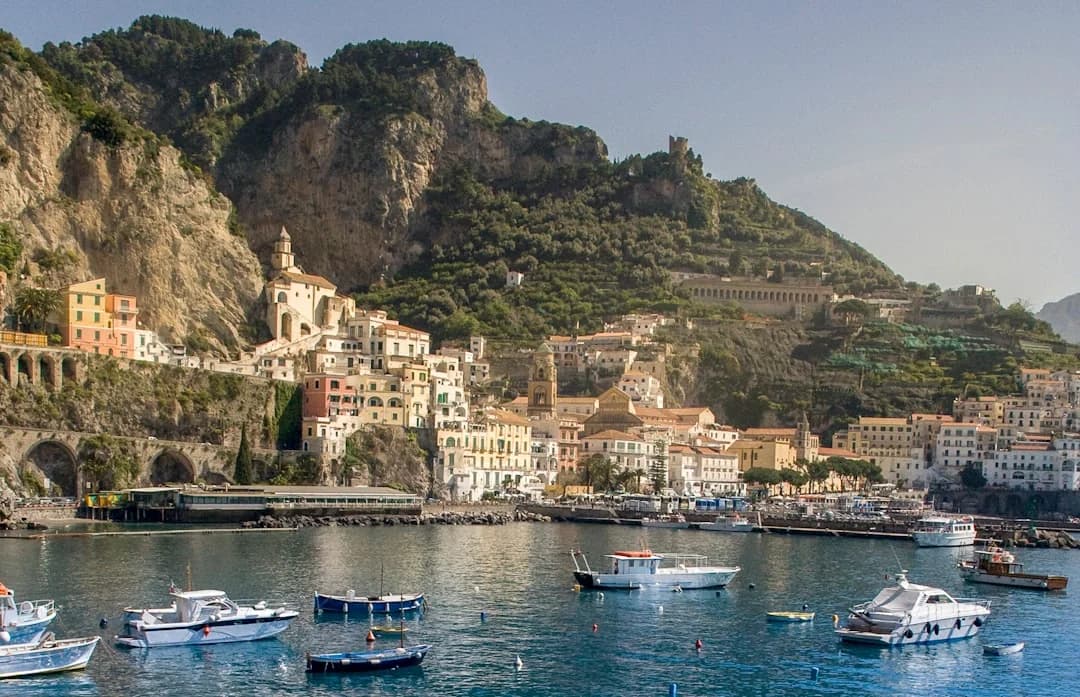
Sailing Amalfi Coast Guide: Ports, Anchorages & Rules
Sailing Amalfi Coast guide to Capri, Positano & Amalfi: best ports, anchorages, fees, VHF and rules. Plan your route—read now.
By Breezada Team
Dry Tortugas Sailing: Routes, Anchoring & Permits
Plan Dry Tortugas sailing from Key West with routes, weather windows, anchoring/moorings, and permits. Read the guide and plan your trip.
By Breezada Team