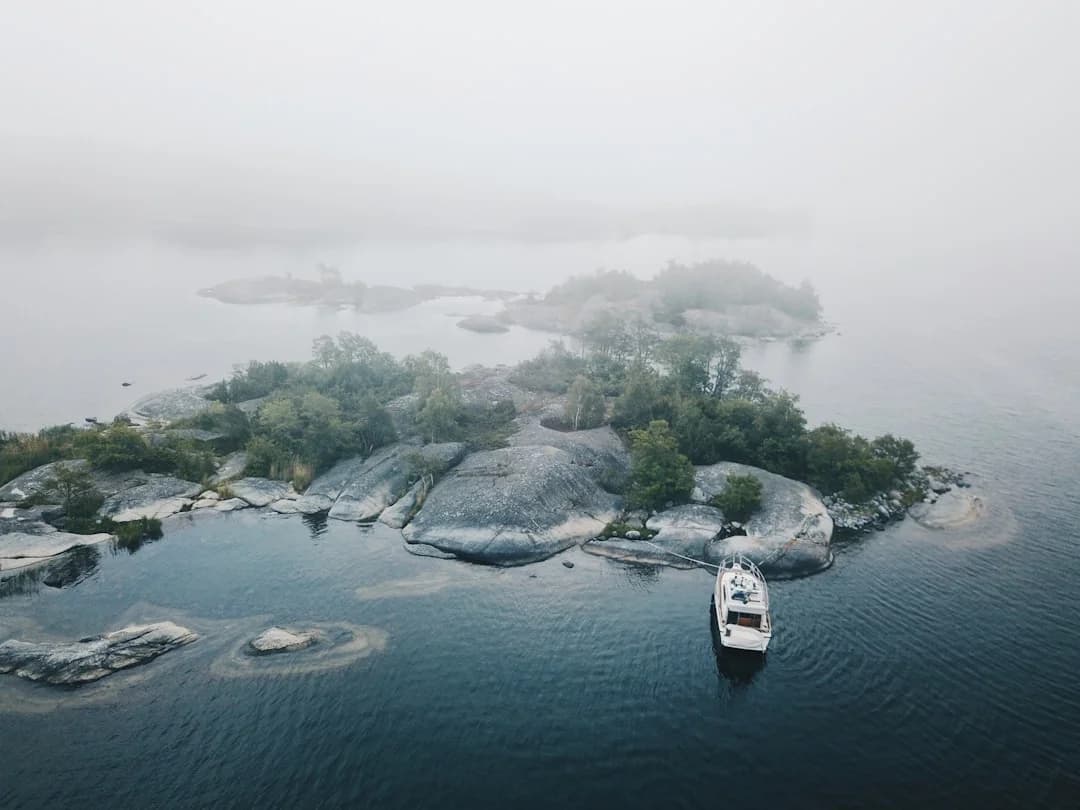
Sweden gives you two completely different sailing trips inside one country. The east coast is the Stockholm archipelago — roughly 30,000 islands scattered between the capital and the open Baltic. The west coast is Bohuslän — bare granite skerries, deeper water, and a swell that reminds you the North Sea is just around the corner. Sail one, and you've seen one Sweden. Sail both, and you start to understand why this is one of Europe's most underrated cruising grounds.
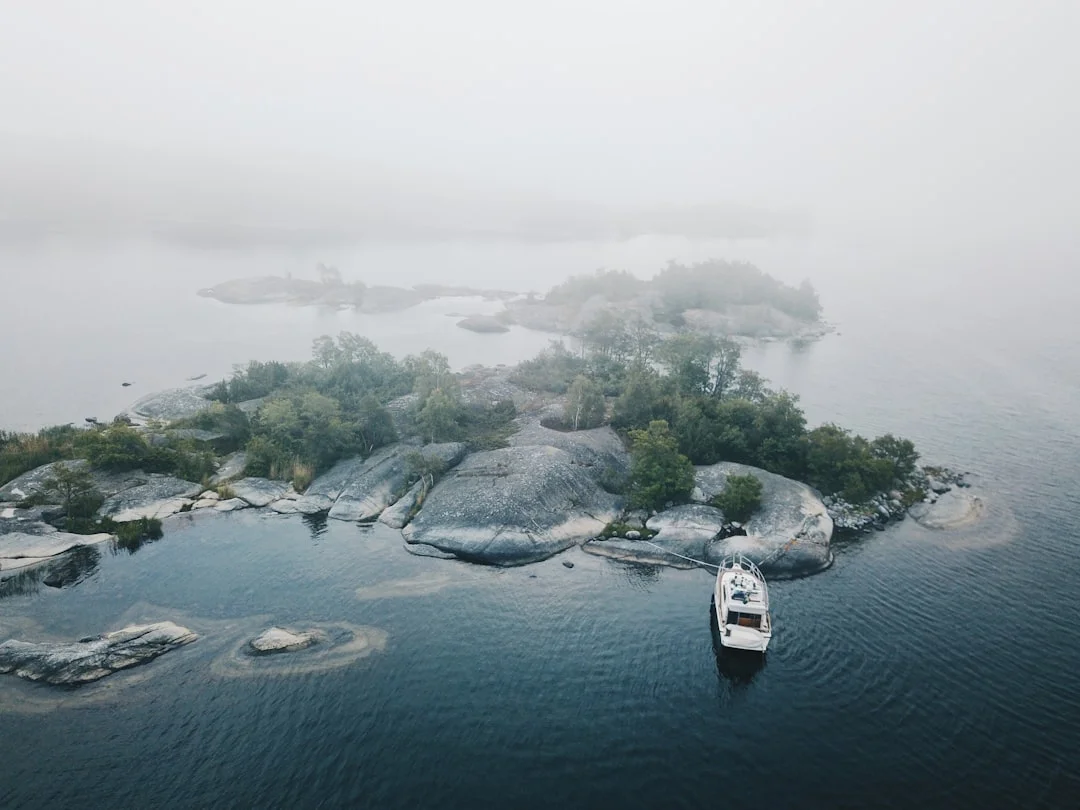
Photo by Max Hermansson on Unsplash
Two Coasts, Two Very Different Sailing Grounds
Most first-time visitors hear "sailing in Sweden" and picture the Stockholm archipelago. Fair enough — it's the postcard. But Swedish sailors themselves are split. Half of the country's recreational fleet lives in the east, sailing the brackish, almost tideless Baltic out of marinas like Bullandö, Lidingö, and Saltsjöbaden. The other half is on the west, sailing salty water out of Marstrand, Smögen, and Gothenburg.
The differences matter for trip planning. The east coast is sheltered, fresh-feeling, and forgiving — you can island-hop in 5–10 nautical mile legs and rarely lose sight of land. The west coast is more committing. Tides are small (under a metre) but the swell is real, the winds are stronger on average, and the rocks are uncompromising. You can verify distances between waypoints before locking in an itinerary, because what looks like a short hop on Google Maps can be a 3-hour beat once you've worked around the skerries.
If you're trying to decide between Sweden and another Northern European destination, our country-by-country guide to the best sailing destinations in Europe walks through the trade-offs in detail. Sweden generally wins on solitude. It loses on guaranteed sun.
Stockholm Archipelago: 30,000 Islands and a Reliable Westerly
The Stockholm archipelago stretches roughly 80 nm east-northeast from the city to the open Baltic. The classification is rough but useful: an inner archipelago of large, wooded islands close to the city; a middle archipelago with smaller islands, quieter harbours, and thinner forest; and an outer archipelago that's mostly bare skerries — granite humps and small reefs where you might see seals and not much else.
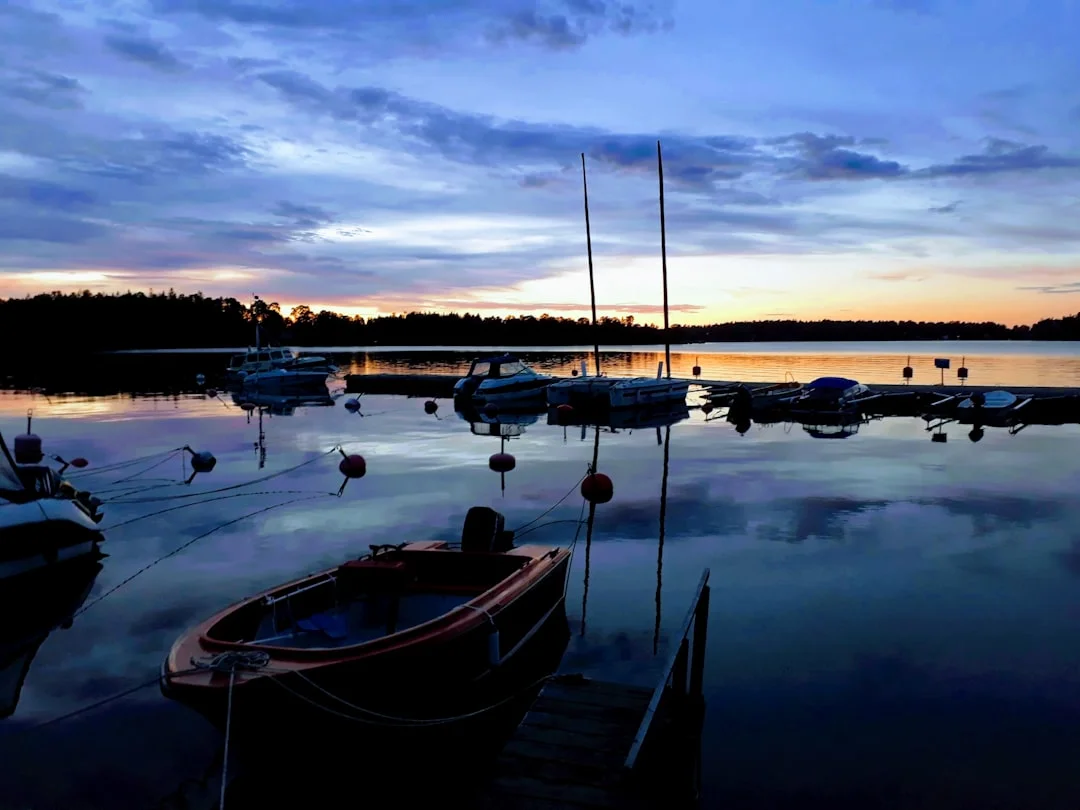
Photo by Carl Gelin on Unsplash
A few practical features make this a great cruising ground:
- Tideless water. The Baltic has a tidal range of about 5–10 cm. You can ignore tide tables and plan a trip around wind and daylight only.
- Brackish water. Salinity is around 6 PSU, roughly a fifth of ocean salt. Antifouling lasts longer, your stainless rusts less, and the water is just barely drinkable when filtered (locals do, you probably shouldn't).
- Strong VHF and mobile coverage. You'll have 4G across most of the archipelago, including the outer islands.
- Predictable summer winds. July and August give you a prevailing southwesterly at 8–14 knots. It's not Greek-meltemi reliable, but it's enough to plan around.
The classic 7-day route runs from a Stockholm-area marina out to Sandhamn (the unofficial sailing capital), then north to Möja or Finnhamn, back via Grinda or Husarö, and home. Day legs of 12–25 nm are the norm. Distances feel short because there's an island shoulder to duck behind every few miles when the wind pipes up.
The catch is depth. Charts are excellent — Hydrographica produces sport charts at 1:30,000 — but rocks are everywhere and the only protection is a careful eye on the plotter. Insurance often excludes claims from "uncharted rocks," which in practice means any rock you hit is your fault, charted or not. Sail conservatively. When in doubt, take the longer route.
Sweden's West Coast: Bohuslän and the Granite Coast
The west coast feels like a different country. From the Norwegian border down to Gothenburg, Bohuslän is open Atlantic water with a fringe of bare pink-and-grey granite skerries, fishing villages converted to summer harbours, and a more committed sailing culture. People here cross to Denmark for a long weekend and back. Some keep the boats rigged from April to October.
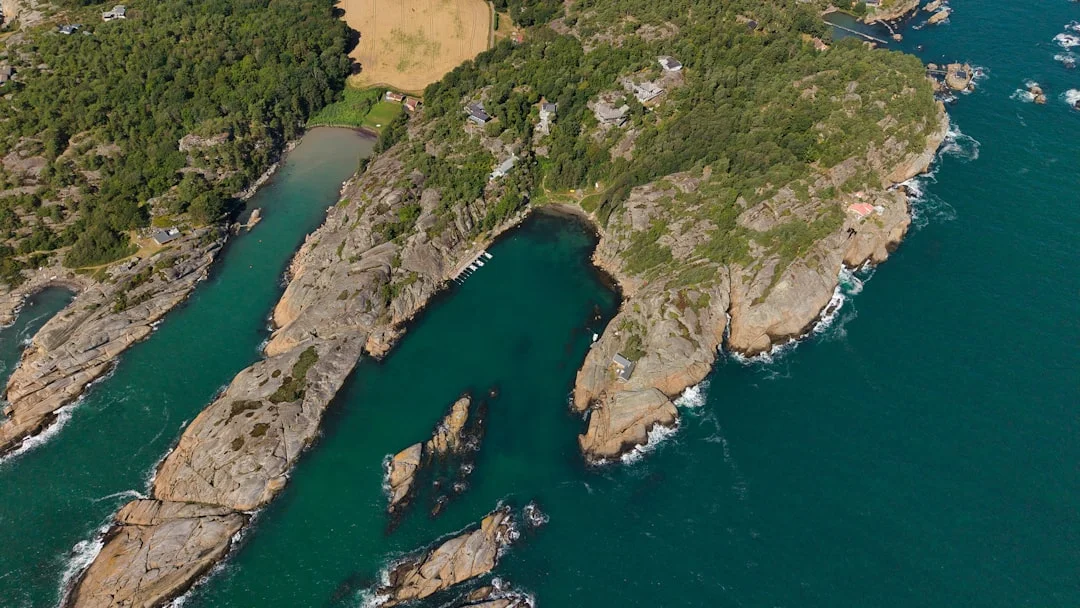
Photo by Daniel R. on Unsplash
The water is proper salt (around 25 PSU offshore), the swell from the Skagerrak rolls in any time the wind has had a fetch, and the prevailing southwesterly averages 10–18 knots in summer — a couple of knots more than the east coast. You will reef on the west coast more often than you will in Stockholm.
The harbour villages are the draw. Smögen, Marstrand, Käringön, Gullholmen, Hamburgsund, Fjällbacka — small painted houses, a handful of restaurants, ice cream queues that wrap around a quay in mid-July, and good shelter once you're tied up. Mooring is mostly bow-to with a stern anchor, which is a key difference from Mediterranean med-mooring (stern-to with a lazy line). On the Swedish west coast you drop a stern anchor 30–50 metres off the dock, motor in slowly, take bow lines, and pay out the stern as you go. It's more skill-based than lazy lines. It's also why Swedish-flagged boats almost always carry a dedicated stern anchor with chain and a long warp.
If you're chartering and have only sailed the Med, budget an afternoon to practise this. A botched bow-to landing in a crowded west-coast harbour in August is one of the more public ways to ruin your trip.
When to Go: Season, Daylight, and Weather
The Swedish sailing season is short and intense. Mid-May through mid-September is the practical window. July is peak, with the Swedish industrial holidays driving harbours to standing-room only. August is calmer, slightly cooler, and arguably better. Late August into September gives you stable weather, empty harbours, and water that's still warm enough to swim — local sailors quietly consider this the best month.
| Period | Wind | Daylight | Water temp | Crowds |
|---|---|---|---|---|
| May (early) | 12–20 kn, gusty fronts | 16–18 hrs | 8–12 °C | Empty |
| June | 8–14 kn SW, stable | 18–19 hrs | 12–16 °C | Light |
| July | 8–14 kn SW, stable | 17–19 hrs | 16–20 °C | Heavy |
| August | 10–16 kn SW, more variable | 14–17 hrs | 17–21 °C | Moderate |
| September | 12–20 kn, fronts return | 12–14 hrs | 14–17 °C | Light |
Daylight is Sweden's secret weapon. At Stockholm's latitude (59° N), midsummer never gets fully dark — civil twilight runs from sunset around 22:00 to sunrise around 03:30, with a navigable dusk in between. You can comfortably sail until 23:00 and start again at 05:00 if the wind cooperates, which extends a 7-day trip into something closer to 10 days of usable sailing time.
Fronts move quickly off the North Atlantic, so check SMHI's forecast twice a day in season. The Swedish meteorological service publishes a free, accurate marine forecast in English. GRIB files via PredictWind or Windy work fine for planning, but SMHI is the local source of truth.
Practical Logistics: Charter, Permits, Provisioning
Sweden has a smaller charter market than Greece or Croatia, and the ones that do exist tend to require either a documented sailing license (RYA Day Skipper, ICC, Swedish Förarintyg, or equivalent) or a sailing CV with comparable miles. There's no national requirement to hold a licence to skipper a private boat in Swedish waters, but charter companies enforce their own rules. Charter rates run roughly €2,500–€5,500/week for a 38–45 ft monohull, with peak-July prices at the top end. Bareboat is the norm; skippered options exist but are limited.
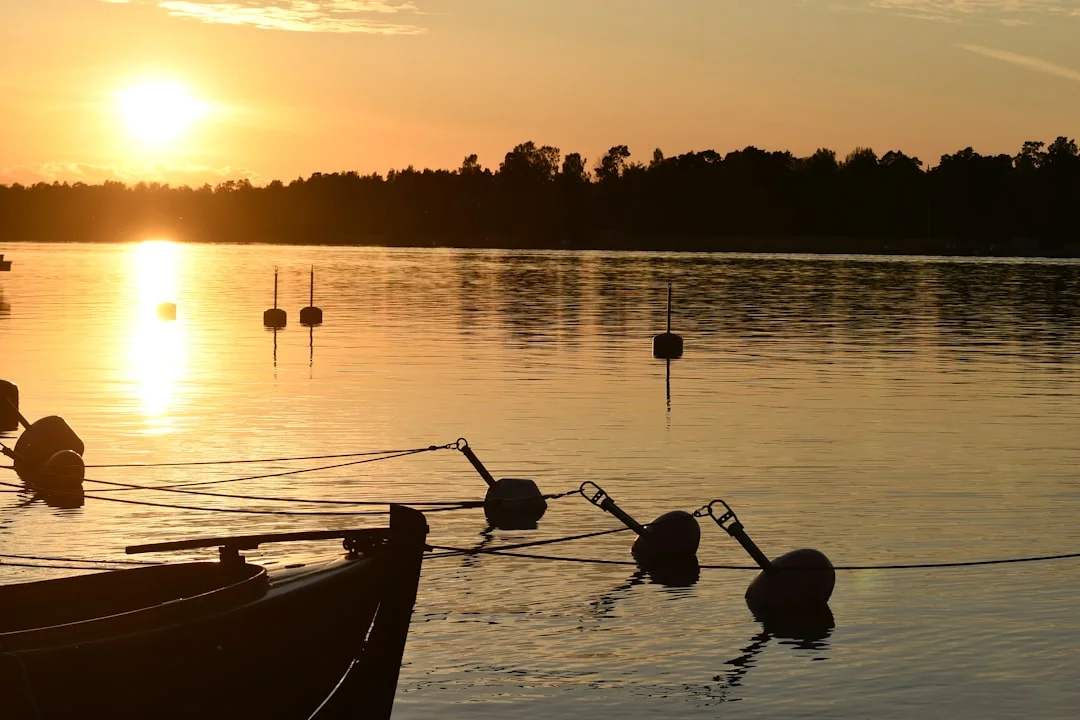
Photo by Carl Gelin on Unsplash
Cruising permits: none required for EU and most other foreign-flagged boats arriving on their own keel, but you must clear customs on first arrival from outside the EU/Schengen zone. Within the Schengen area, no formalities.
Mooring fees: visitor harbours charge SEK 250–500 (€22–€45) per night in season for a typical 40-foot boat. This usually includes water, electricity, showers, and rubbish disposal. Many small harbours operate on an honesty box. Card payment via Swish (a Swedish app) or QR codes is increasingly standard — bring a credit card, but a Swish account if you're staying long enough to set one up will save friction.
Provisioning: ICA, Coop, and Hemköp are the main supermarket chains. Most archipelago villages have at least a small store; in the outer islands, expect limited stock and shorter hours. Plan to provision for 3–5 days at a time and resupply at the larger islands (Sandhamn, Möja, Marstrand, Käringön). Alcohol over 3.5% ABV can only be bought at Systembolaget, the state monopoly, with shops only in larger towns and short opening hours (closed Sundays). Stock up before you leave the city.
Diesel and water: most marinas have a fuel dock. Diesel is around €1.70–€1.90/litre. Water is free at most berths but check before topping up tanks — some smaller harbours warn you off due to limited supply. If you're planning longer offshore legs, our seasonal sailboat maintenance checklist covers the spring commissioning items most charter operators handle for you, but worth knowing.
Anchoring and Mooring Swedish-Style
You'll spend most nights in one of three configurations:
- Visitor harbour, alongside or bow-to. Easiest, most expensive, most crowded. Book ahead via the harbour's app where possible during July weekends.
- Natural harbour with stern anchor and bow lines to rock. This is the classic Swedish anchorage — drop a stern anchor 30–50 m off a granite shore, motor in carefully, jump off the bow with two long lines, and tie around a rock or to a metal mooring eye drilled into the granite (you'll find these in popular natural harbours). The boat sits perpendicular to shore, secured at three points, with no swinging room needed.
- Free anchorage in a sheltered bay. Less common because the holding can be patchy — much of the seabed is rock or thin mud over rock — but in a well-protected bay with good mud, it works. Always dive or peek over the bow to confirm the anchor is set, especially with a Bruce or older CQR. New-generation anchors (Rocna, Spade, Mantus) hold dramatically better in marginal Swedish bottoms.
The country's right of public access (allemansrätten) is what makes the natural-harbour approach legal and welcomed. You can land on uninhabited shores, walk inland, swim, and even camp — within reason, without disturbing residents or wildlife. It is a remarkable freedom for visiting sailors. Don't abuse it: no fires on bare granite (sparks, lichen damage), pack out everything, and stay clear of bird-nesting areas marked on charts as protected.
Sample 14-Day Itinerary: Both Coasts in One Trip
If you have two weeks and want both coasts, the cleanest plan is fly into Stockholm, charter from a Stockholm-area base for 5–6 days, then take the 3-hour train from Stockholm to Gothenburg and pick up a second charter on the west coast for the remaining week.
| Day | From | To | Distance | Notes |
|---|---|---|---|---|
| 1 | Bullandö | Sandhamn | 18 nm | Easy first leg, busy harbour |
| 2 | Sandhamn | Möja (Berg) | 14 nm | Quieter middle archipelago |
| 3 | Möja | Finnhamn | 10 nm | Excellent short walk on the island |
| 4 | Finnhamn | Husarö | 8 nm | Tiny harbour, good restaurant |
| 5 | Husarö | Bullandö | 22 nm | Return to base |
| 6 | Travel | — | — | Train Stockholm → Gothenburg |
| 7 | Gothenburg | Marstrand | 22 nm | Classic west-coast harbour |
| 8 | Marstrand | Käringön | 25 nm | Island with no cars |
| 9 | Käringön | Smögen | 18 nm | Iconic painted boathouses |
| 10 | Smögen | Fjällbacka | 16 nm | Granite skerries everywhere |
| 11 | Fjällbacka | Hamburgsund | 12 nm | Sheltered inland passage |
| 12 | Hamburgsund | Marstrand | 35 nm | Long final leg, weather-dependent |
| 13 | Marstrand | Gothenburg | 22 nm | Buffer day before return |
| 14 | — | — | — | Disembark / fly home |
That's roughly 220 nm of sailing across both coasts. Trim it to one coast if your time or budget is shorter — both are worth a dedicated week on their own.
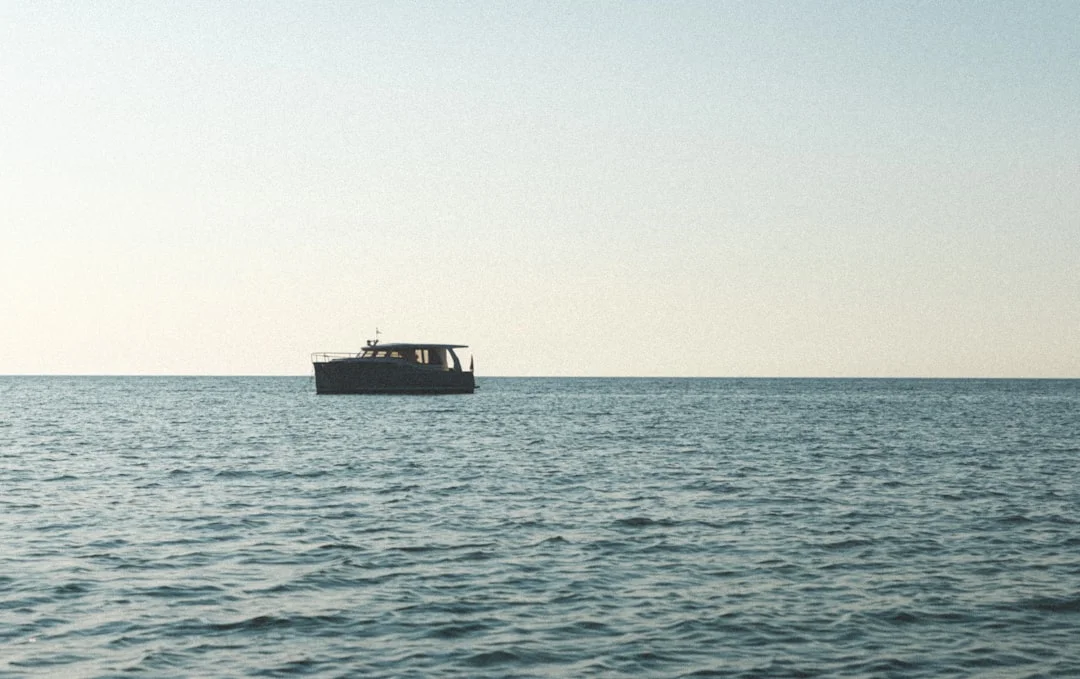
Photo by Tomi Vadász on Unsplash
What to Pack (That You Wouldn't for the Med)
Sweden punishes Med-trained crews who pack light:
- Mid-layer fleece and a proper foul-weather jacket. Even in July, an evening on deck at 12 °C in a wet southwesterly is unpleasant in a t-shirt.
- Long oilskin trousers. Spray off the bow on a beat is colder than you think.
- Closed boat shoes or sailing boots. Sandals are a liability when stepping onto wet granite.
- A real headlamp. Even in midsummer, you'll use it inside the boat at "night."
- Mosquito repellent. The archipelago has them, especially in still anchorages near forested islands.
- A long, dedicated stern anchor warp. If chartering, confirm the boat has 50 m+ of stern rode. Many do not by default.
Frequently Asked Questions
Do I need a sailing license to charter in Sweden?
There's no national legal requirement to hold a licence to skipper a private boat in Swedish waters. However, charter companies almost always require proof of qualification — typically RYA Day Skipper, ICC, Swedish Förarintyg, or an equivalent — plus a sailing CV showing recent experience on similar-sized boats. Bareboat charter without documented experience is very rare.
Is sailing in Sweden harder than the Mediterranean?
It's different rather than strictly harder. The east coast (Stockholm) is arguably easier than parts of the Med thanks to short legs, no tides, and excellent charts. The west coast is more demanding — bigger swell, stronger average winds, more rock-strewn approaches, and bow-to mooring with a stern anchor instead of lazy lines. Crews comfortable in the Med usually adapt within 2–3 days.
When is the best month to sail in Sweden?
Late August to early September is the local favourite: stable weather, water still warm enough to swim, harbours emptier than in July, and softer light. June is also excellent if you want the long midsummer days. July has the most reliable warmth but the most crowded harbours.
How much does a Swedish sailing holiday cost?
For a bareboat charter of a 40-foot monohull in July, expect €3,500–€5,000/week plus fuel (€200–€400), mooring fees (€150–€300/week), and provisioning (€400–€700/week for a crew of four). Total weekly cost for a four-person trip typically lands at €4,500–€6,500. Off-peak weeks (June, late August) are 20–30% cheaper.
Can I drink the Baltic water?
The Baltic is brackish (about 6 PSU salinity in the Stockholm archipelago) — too salty to drink straight, but locals do filter and drink it after careful treatment. As a visitor, don't. Carry water in tanks and refill at marinas, where supply is free or near-free.
Do I need to clear customs?
If you're arriving by sea from another EU country (Denmark, Germany, Finland, etc.) on an EU-flagged boat, no customs formalities are required. Boats arriving from outside the EU/Schengen — for example from the UK or Norway — must clear in at the first Swedish port of entry. Most marinas in Marstrand, Gothenburg, and Strömstad on the west coast handle this.
Are there mooring fees at every harbour?
In visitor harbours and town quays, yes — typically SEK 250–500 (€22–€45) per night in summer. In natural harbours where you tie to a rock with a stern anchor, no fee at all. Many cruisers split the difference: marina nights for showers and provisioning, natural-harbour nights for solitude.
Is the west coast worth visiting if I only have a week?
Yes — Bohuslän on its own is a strong week of sailing, with enough variety in harbour villages, open passages, and skerry-hopping to fill seven days easily. The Stockholm archipelago is also a complete week. Trying to do both in 7 days means rushed travel and not enough time to settle into either coast.
You can calculate the exact distance between Stockholm and Gothenburg — by sea, it's a serious passage around the southern tip of Sweden. Most visitors take the train for the cross-coast leg and treat the two halves as separate trips.
About the Author
Related Articles
Amalfi Coast vs French Riviera Sailing Guide (Costs & Routes)
Compare Amalfi Coast vs French Riviera sailing—costs, crowds, mooring rules, best months, and 7-day routes. Choose your coast and plan now.
By Breezada Team
Puget Sound Cruising Guide to Gulf Islands Routes
Plan routes, anchorages, and weather windows with this Puget Sound cruising guide for the Gulf Islands & San Juans. Read now and start plotting.
By Breezada Team
Sailing Amalfi Coast Guide: Ports, Anchorages & Rules
Sailing Amalfi Coast guide to Capri, Positano & Amalfi: best ports, anchorages, fees, VHF and rules. Plan your route—read now.
By Breezada Team
Dry Tortugas Sailing: Routes, Anchoring & Permits
Plan Dry Tortugas sailing from Key West with routes, weather windows, anchoring/moorings, and permits. Read the guide and plan your trip.
By Breezada Team