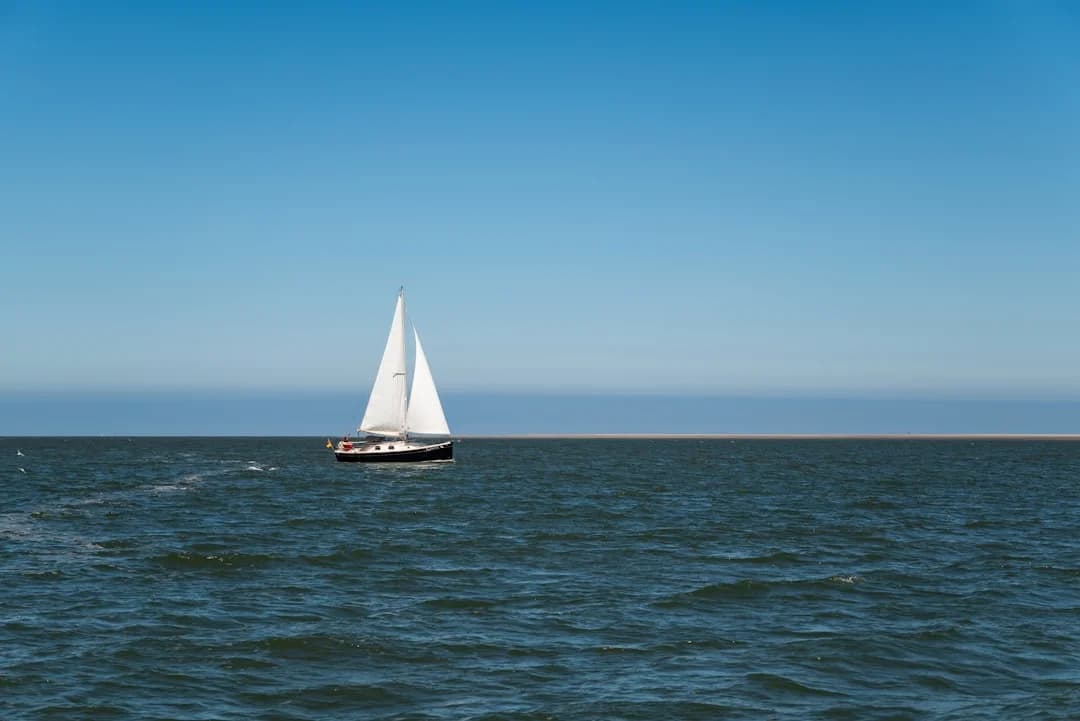
The Tasman Sea is one of the most respected stretches of water in the cruising world — about 1,250 nautical miles of open ocean separating eastern Australia from New Zealand, often crossed in 7 to 12 days by a competent offshore yacht. It's not the longest passage you'll ever do, but it punches well above its weight in terms of reputation, and most cruisers spend more time planning this hop than they do for any other passage of comparable length.
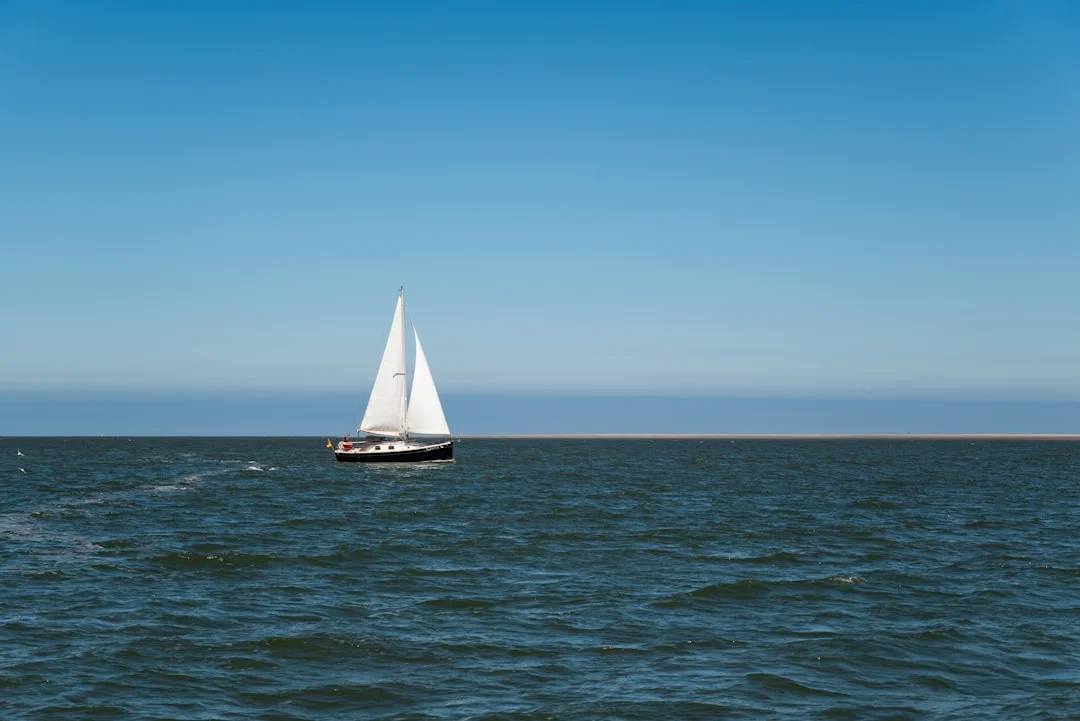
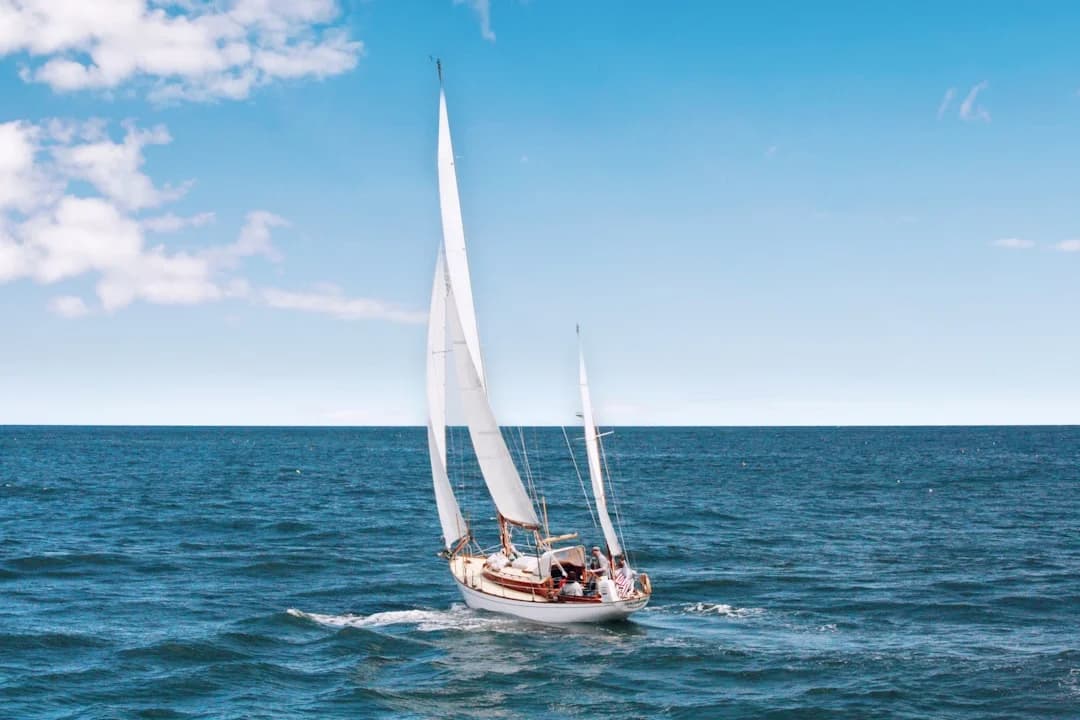
Photo by Evgeni Tcherkasski on Unsplash
Tasman Sea Crossing: The Basic Numbers
The "Tasman" — known locally as the Ditch — sits between the southeast coast of Australia and the North Island of New Zealand. The exact distance you'll log depends entirely on your departure and arrival ports, the weather window you take, and how much you have to deviate around fronts.
| Route | Distance (nm) | Typical Duration (Monohull) | Typical Duration (Catamaran) |
|---|---|---|---|
| Sydney → Bay of Islands | ~1,250 | 8–11 days | 6–9 days |
| Sydney → Auckland | ~1,280 | 8–12 days | 7–9 days |
| Brisbane → Auckland | ~1,275 | 8–12 days | 7–10 days |
| Coffs Harbour → Bay of Islands | ~1,090 | 7–10 days | 6–8 days |
| Hobart → Bluff (Southern) | ~1,280 | 9–13 days | N/A (rare) |
A 40-foot monohull averaging 5.5 knots through the water for a Coffs Harbour-to-Opua run will spend about 8.5 days at sea — assuming you don't have to heave to. Realistic planning numbers are closer to 180–200 nm per day for a well-found 40-footer, and 220–240 nm for a fast cruising cat. You can verify the exact distance between waypoints before sketching out provisions and watch schedules.
Most westbound cruisers do the reverse trip in autumn (March–April) heading from New Zealand back toward Australia or the tropics, typically routing further north to pick up easterlies.
Why the Tasman Has a Reputation
The Tasman sits in the Roaring Forties at its southern end and just clips the Furious Fifties. Three things give it teeth:
1. Westerly fronts march through unimpeded. Once a low spins off the Southern Ocean, there's nothing — no land, no land bridge — to slow it down before it reaches your boat. A typical eastbound passage will be punched by two or three fronts, and the gap between them is sometimes 36 hours and sometimes 6.
2. The convergence zone. A subtropical ridge sits roughly across the middle of the sea in summer and shifts north in winter. Crossing this convergence zone almost always means a wind shift, often abrupt, and frequently combined with a rapid sea-state change as the wind clocks against the leftover swell.
3. Cross seas. Even in a benign weather window, you can get an Australian-generated easterly swell underneath a fresh southwesterly blow. The boat doesn't roll once — it corkscrews, and that motion is what wears crews down on day three or four.
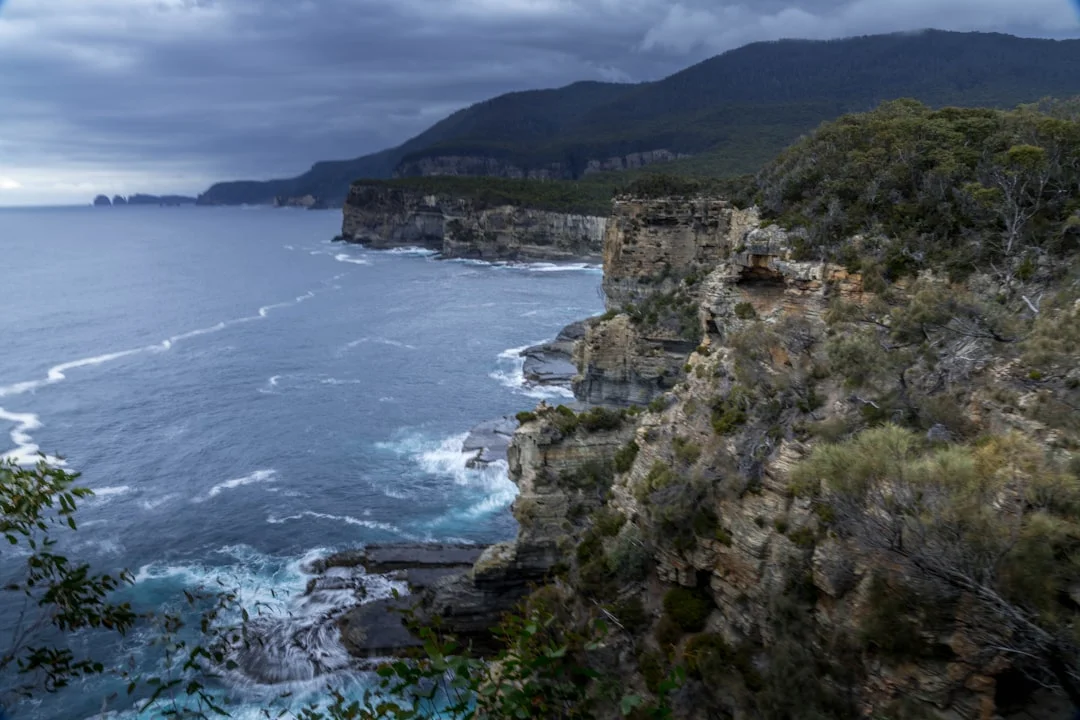
Photo by Eddie Mark Blair on Unsplash
The water itself is deep — over 3,000 metres in the central basin — so seas don't get short and ugly the way they do in places like the Bass Strait. They get big and long. 6-metre swells are routine in a fresh blow, and 8 metres is not unusual when a deep low passes south of you.
Best Time of Year to Cross Australia to New Zealand
There is no perfect month — only less imperfect ones. The standard eastbound window runs from late October through early December, after the worst Tasman lows of late winter have eased but before the tropical cyclone season really fires up at the northern end.
October: Often still cold and bouncy. Suits crews who want a longer season in NZ before crossing back.
November: The classic window. Most rally fleets — including the Down Under Rally and the All Points Rally — depart in early to mid-November.
Early December: Generally settled, but you're getting close to cyclone risk if you're starting from Brisbane or further north.
Westbound (NZ to Australia) shifts the calendar. The favoured window is April to early May, after the cyclone season ends in the Coral Sea and before the autumn westerlies turn really aggressive. Cruisers heading to the tropics (Fiji, New Caledonia, Vanuatu) leave NZ in May–June, but that's not strictly a Tasman crossing.
If you're warming up in Australian waters before the jump, the Whitsundays make an ideal pre-passage shake-down ground — protected enough to test systems, exposed enough to find the gear that needs replacing.
Departure and Arrival Ports
From Australia
Sydney (Pittwater / Sydney Harbour) is the most popular jumping-off point for a reason: full provisioning, every chandlery you could need, easy customs clearance, and a direct shot east. Most yachts clear out at Sydney's Cairncross Dolphins or Pittwater.
Brisbane (Manly / Royal Queensland Yacht Squadron) offers a slightly shorter route to Auckland and warmer weather for the buildup, but you cross more of the variable subtropical ridge.
Coffs Harbour is the cheat code. It's the most easterly mainland port in NSW, knocking nearly 200 nm off the trip from Sydney, and it's a recognised customs port. The catch: facilities are limited, and the marina entrance has a bar that closes in heavy onshore weather.
Hobart is for crews heading to NZ's South Island, particularly Bluff or Milford Sound. This is genuinely Southern Ocean sailing and the boat had better know it.
Into New Zealand
Bay of Islands (Opua) is the unofficial capital of arriving in NZ. Customs and biosecurity processing is well practised, the marina has guest berths, and the surrounding cruising ground is gentle enough to recover in for a week. Around 80% of arriving cruisers clear in here.
Auckland (Westhaven / Bayswater) suits crews who want city facilities immediately and don't mind the extra 100 nm from the Bay.
Whangarei (Marsden Cove) is the third option — quieter, less crowded, with excellent boatyards just upriver if you need haul-out work after the trip.
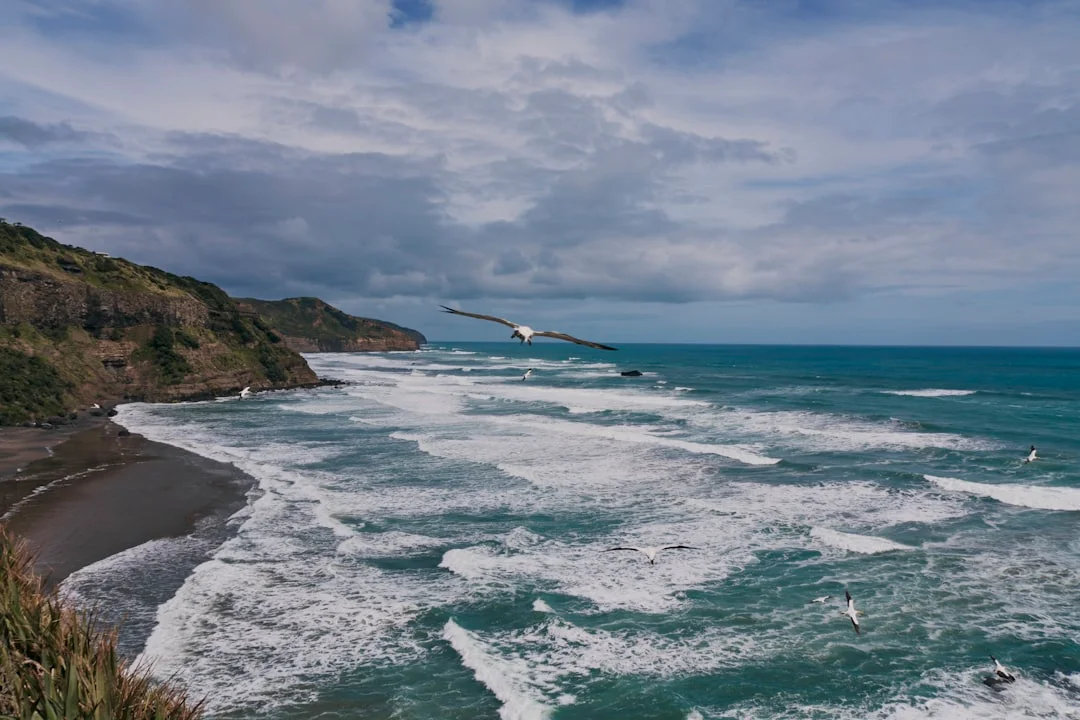
Photo by Andy Styn on Unsplash
Weather Routing: Picking the Window
Nobody crosses the Tasman on a hunch anymore. The two questions that decide your trip are: when does the next high pull through, and where will the convergence sit?
MetService NZ publishes a free 7-day MSL chart that's the baseline for most cruisers. Run it alongside PredictWind (offshore PRO subscription, around USD 60/month, worth every cent for this passage), and ideally a paid forecaster.
The two names every Tasman crosser should know:
- Bob McDavitt — NZ's retired senior met advisor, still consults on a per-passage basis for around NZD 250–400. He's been routing yachts across the Tasman since the 1980s.
- Bruce Buckley (Roger 'Clouds' Badham's group) — well respected on the Australian side.
A typical pre-departure briefing tells you: "Leave on a Thursday after the front clears Sydney, stay south of 36° to ride the back of the high for three days, then bear off northeast as the next low approaches to keep its centre south of you." That's an actual route shape — not a straight line.
Modern weather routing apps and grib tools handle the data side, but human routers still beat algorithms when the weather pattern gets complicated, and Tasman patterns are routinely complicated.
A reasonable rule: never start the passage with a weather window shorter than 5 days. You can't outrun a Tasman low, but you can stay out of its worst quadrant if you've got time and sea room.
Boat and Crew Requirements
You don't need a steel ketch to cross the Tasman, but the boat does need to be honest. Most production cruisers from 38 feet up handle the trip fine, provided they're properly prepared.
Sails: Mainsail with at least two slab reefs (three is better), a heavy-weather jib or staysail, and a storm jib. Roller-furled-only headsails are a known weakness — partial furl in 35+ knots stretches the leech and the sail loses shape.
Rigging: Most underwriters now want a rig inspection within 12 months of the passage. Replace any standing rigging older than 10 years, and don't sail with rod rigging you haven't had ultrasound-tested.
Steering and self-steering: Wind vane or hydraulic autopilot — and ideally both. The Tasman eats poorly-mounted autopilots. Carry a spare drive belt and pump.
Safety gear (NZ Yachting Category 1 standard, applied to visiting boats too):
- 406 MHz EPIRB with current registration
- Liferaft with current servicing certificate
- Two PLBs minimum
- Jacklines, harnesses, tethers for every crew member
- Storm sails (storm jib and trysail or trisail-equivalent)
- Drogue or series drogue (recommended; not strictly required)
- HF/SSB or satellite communications (Iridium GO, Starlink Mini, or Inmarsat)
Knowing how to reef early and decisively is the single most useful skill on a Tasman crossing — most rig damage and most knockdowns happen when the crew waits for the second reef.
Crew minimum: Two is the legal minimum for Cat 1, but three is the practical minimum for an enjoyable passage with proper sleep. Solo Tasman crossings happen but they're a different kind of trip.
Photo by Bruce Barrow on Unsplash
Customs, Biosecurity, and Paperwork
New Zealand has the strictest biosecurity regime in the cruising world. Plan for it before you leave Australia, not after you arrive.
Before departure (Australia):
- Clear customs at your departure port; collect your Authority to Depart paperwork.
- Notify NZ Customs and MPI (Ministry for Primary Industries) at least 48 hours before estimated arrival via the Online Advance Notice of Arrival form.
On arrival in NZ:
- Fly the yellow Q flag.
- Anchor in the designated arrival quarantine area at Opua (or wherever you've cleared in to).
- Do not step ashore. Customs and MPI come to the boat.
What MPI will inspect:
- Hull (anti-foul condition — biofouling rules are real and enforced; a dirty bottom can mean haul-out at your expense)
- Food stores (no fresh fruit, vegetables, eggs, honey, or unpasteurised dairy — these will be seized)
- Wooden items (might be inspected for borer)
- Any plant material (zero tolerance)
Biofouling: As of 2018 NZ requires arriving vessels to have a clean hull. "Slime layer" is acceptable; goose barnacles and weed are not. Plan a pre-departure haul-out within 30 days of your crossing date if your bottom isn't fresh.
The total cost of clearing in: typically NZD 0 if everything is in order. If you trigger a hull inspection or food destruction it can run into the hundreds.
What the Crossing Actually Feels Like
Day 1 is about leaving — fighting the leftover sloppy seas off the Australian shelf, adjusting to watches, finding out which crew member is going to be useful and which is going to spend 36 hours staring at the bottom of a bucket.
Day 2–3 you're typically into the trade-wind portion of the high, beam reaching at 6–7 knots in 15–20 knots of breeze. This is the part you remember.
Day 4–5 the first front catches up. Reef early. It always blows harder than the forecast at the leading edge, then drops out behind. Expect 30–35 knots for 6–10 hours, then a quick wind shift, then another building southwesterly.
Day 6–7 — convergence zone. The wind drops, becomes confused, often clocks all the way around the compass. Sometimes you motor for 12–18 hours through it. Sometimes a soft northerly fills in and you sail through the lull.
Day 8 — you start picking up coastal weather forecasts on VHF. The wind tends to pipe up in the last 200 nm as you close the New Zealand coast (the so-called coastal effect). Many crews arrive in the Bay of Islands on a fast finish in 25 knots from astern.
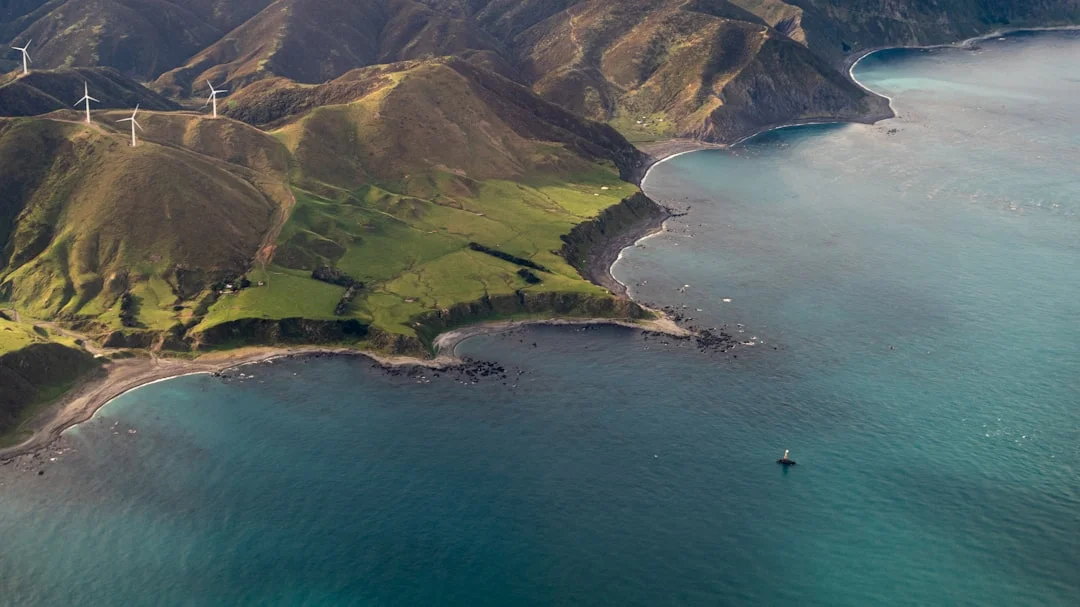
Photo by Zane Muir on Unsplash
Then the Bay of Islands opens up, the water turns from the navy of the open ocean to the green of the inner harbour, and someone opens the rum.
Costs: A Realistic Budget
| Item | Approximate Cost (USD) |
|---|---|
| Pre-passage haul-out, anti-foul, rig check | $1,500 – $4,000 |
| Cat 1-equivalent safety gear additions | $800 – $3,000 |
| Liferaft service | $400 – $700 |
| Weather routing (forecaster) | $250 – $500 per passage |
| PredictWind Offshore subscription (3 months) | $90 |
| Provisions for 14 days, crew of 3 | $600 – $900 |
| Iridium GO or Starlink Mini | $850 – $1,500 (one-off) plus monthly |
| NZ customs / clearance | $0 (if compliant) |
| Marina (Opua, first month) | $400 – $600 |
If you're looking at the bigger picture and budgeting against alternatives like flying out and chartering instead, the yacht charter cost guide breaks down the trade-offs by region and boat type.
Frequently Asked Questions
How long does it take to sail from Australia to New Zealand?
A typical 40-foot cruising monohull crosses the Tasman Sea in 8 to 12 days. Faster cruising catamarans manage 6 to 9 days on the same route. The fastest practical departure point is Coffs Harbour, which shaves about 200 nm off Sydney's distance to the Bay of Islands. Crossings shorter than 7 days are usually only achieved by performance cats or racing yachts in optimal conditions.
What is the best time of year to sail from Australia to New Zealand?
The standard window for an eastbound crossing is late October through early December. By then the worst late-winter Tasman lows have eased, but the South Pacific cyclone season hasn't fully started at the northern departure ports. Early November is the most popular departure window, used by both the Down Under Rally and the All Points Rally. Westbound (NZ to Australia) the favoured window is April to early May.
Is the Tasman Sea really that dangerous?
The Tasman has a serious reputation but it's not a death-trap. The hazards are real: westerly fronts roll through unchecked, the convergence zone produces abrupt wind shifts, and cross seas can be punishing. With a properly prepared boat, a competent crew of three, a 5-day weather window, and a professional router, the crossing is challenging but routine — thousands of cruisers do it every year. Most incidents stem from rushed departures or under-prepared boats.
Do I need a special permit or visa to sail to New Zealand?
You don't need a special "sailing" permit, but you do need to comply with NZ Customs and MPI biosecurity requirements. Submit an Advance Notice of Arrival at least 48 hours before reaching NZ waters, fly the Q flag on arrival, anchor in the quarantine area at your port of entry, and stay aboard until cleared. Most cruisers also need a standard visitor visa (NZeTA) — apply online before departure.
What are the minimum boat and safety requirements for crossing the Tasman?
New Zealand expects visiting yachts to meet roughly the same standard as its Yachting NZ Category 1 — the offshore standard. That means: 406 MHz EPIRB, current liferaft, jacklines and harnesses, storm sails (jib and trysail), HF/SSB or satellite communications, two PLBs, and a fully serviced rig. Many crews get insurance approval contingent on hitting this standard. Don't leave port without it; rescue services in the Tasman are real but distant.
Can I cross the Tasman solo?
Yes, solo Tasman crossings happen — and have done for decades. But every cruiser experienced with the passage will tell you the same thing: it's a different trip, requiring more conservative weather windows, more reliable self-steering, and a much higher tolerance for fatigue. NZ Cat 1 minimum crew rules don't strictly apply to private foreign-flagged yachts, but your insurance underwriter probably has a view. If it's your first major offshore passage, do it with at least two crew.
Should I sail from Sydney or Brisbane to New Zealand?
Sydney is the most popular departure point — full provisioning, the best forecaster networks, and a direct easterly track. Brisbane is slightly shorter to Auckland and warmer for the pre-passage buildup, but it crosses more of the variable subtropical ridge. Coffs Harbour offers the shortest distance and is a recognised customs port — preferred by experienced Tasman crossers who don't need big-city facilities. For first-time crossings, Sydney remains the easiest choice for paperwork, weather data, and last-minute boat work.
How do I plan the route across the Tasman Sea?
Start with the great-circle distance between your chosen ports — Sydney to Bay of Islands is approximately 1,250 nm. You can check the distance between any two ports and use it as a planning baseline. Then build the actual route around the synoptic weather pattern: stay on the north side of any approaching low, ride the back of departing highs, and time your convergence-zone crossing for the most settled forecast window. Don't draw a straight line; nobody sails the Tasman in a straight line.
About the Author
Related Articles

DSC Distress Call Guide: GMDSS, AIS, EPIRB & PLB
Learn the correct DSC distress call sequence, MMSI setup, and when to use AIS, EPIRB or PLB. Get it right—read the guide and drill it.
By Breezada Team
Sailing in Strong Currents: Tides, Tools & Examples
Learn sailing in strong currents with tide tools, rules of thumb, and real examples. Plan safer passages—read the guide and use the checklists.
By Breezada Team
NAVTEX for Sailing: SafetyNET Offshore Weather Guide
Learn NAVTEX & SafetyNET (Inmarsat-C) setup, filters, and what MSI to trust offshore. Get clearer forecasts—read the guide now.
By Breezada Team
Sailboat Hull Speed: Calculate It and Exceed It
Learn sailboat hull speed, the 1.34×√LWL formula, and when boats can exceed it. Get examples and tips—read now and calculate yours.
By Breezada Team