Mediterranean Marina Fees 2026: Italy, Greece, Croatia (and Spain) — Real Budgets, Real Invoices
Mediterranean marina fees in 2026 aren’t “expensive” or “cheap” in the abstract. They’re a math problem wrapped in seasonality, boat dimensions, and a handful of extras that marinas are increasingly happy to itemize. If you compare countries without controlling for LOA bracket, beam, and what’s included, you’ll budget wrong by the second night.
The good news: you can build an apples-to-apples model that survives reality. Use the same assumptions for kWh, m³ of water, people onboard, and a clear season window, then adjust only what changes by country and location. Do that, and “Med mooring costs by country” stops being vague dock-talk and starts being an actual plan.
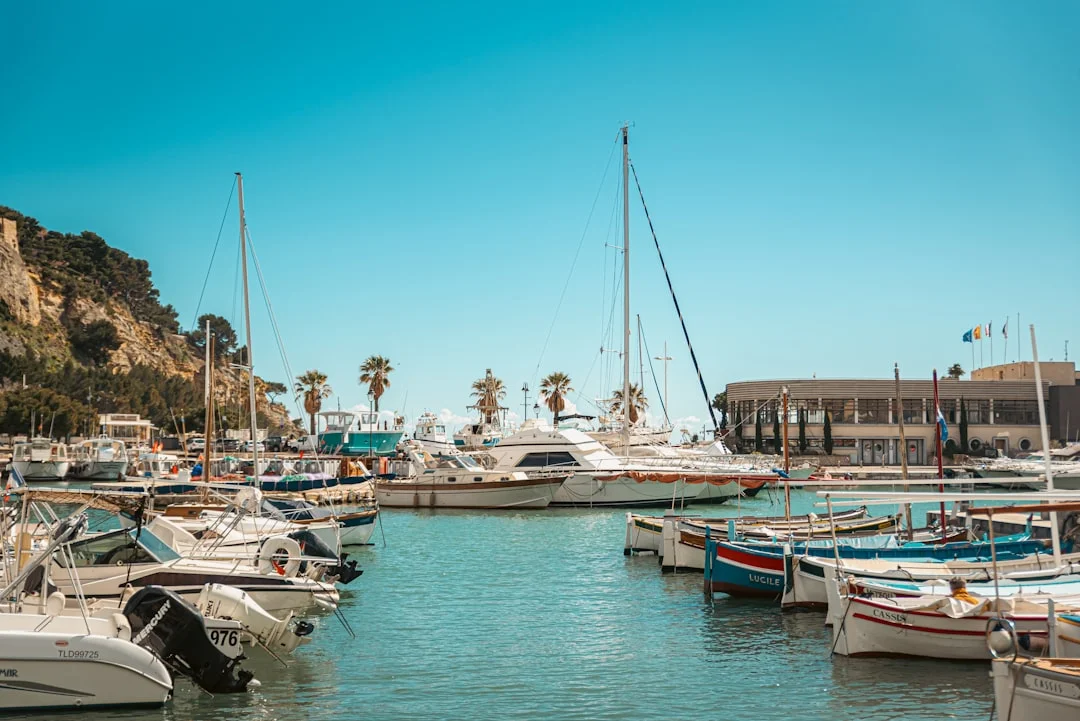
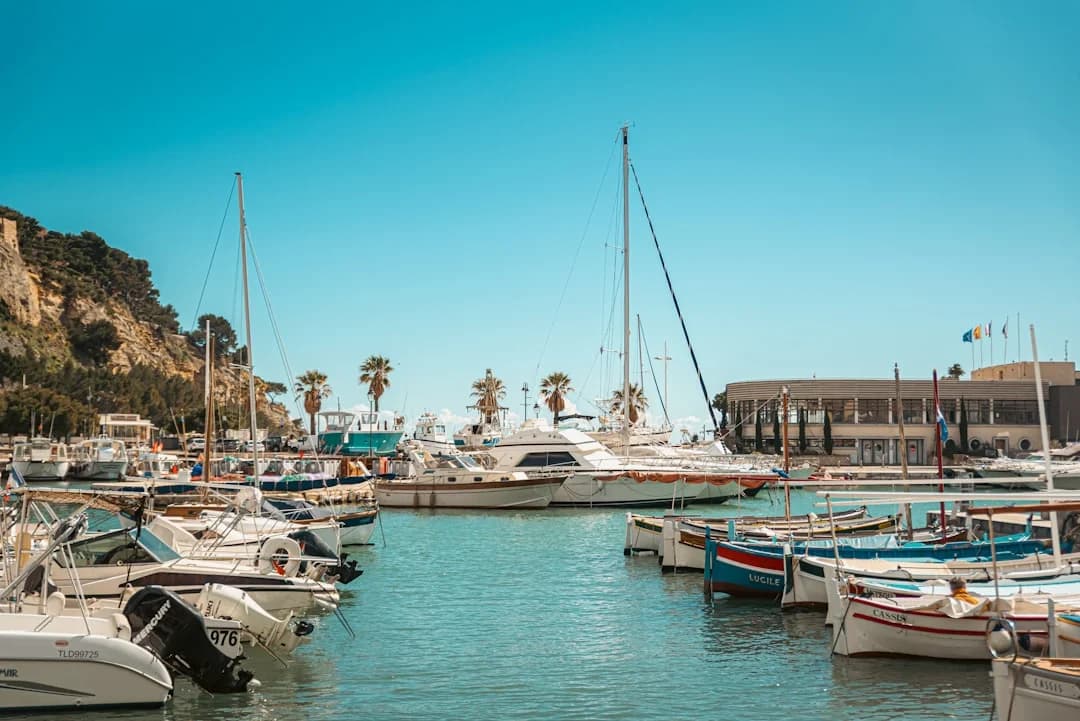
Photo by Zoe Jackson on Unsplash
Mediterranean marina fees in 2026: how pricing really works
LOA brackets, beam factors, and why 12m isn’t “mid-size” everywhere
Most Mediterranean marinas still price transit berths in €/meter/night, but the invoice rarely scales smoothly. The common stepped brackets are 10m → 12m → 15m → 18m → 20m+, and crossing a bracket can jump your nightly rate more than the extra length suggests. A “12m” yacht that measures 12.05m on paper can be billed like a 15m boat in stricter places, especially when the booking system only offers bracket categories.
Beam is the quiet budget killer, and it’s why catamarans get clobbered. A typical catamaran multiplier is ~1.5×–2.0× the monohull rate, driven by berth width allocation and marina geometry rather than fairness. In tight, high-demand marinas, a 12m cat can price like a much larger mono because the berth you need is scarce, not because the marina dislikes multihulls.
Season windows and what marinas call “high” vs “shoulder”
“High season” is usually mid-June to early September, but the exact switch dates vary by concession contract and local demand. Shoulder seasons often run April–May and late September–October, with real discounts in the ~20–50% band if the marina is hungry for occupancy. Some places also run event pricing, where a random weekend can behave like August.
For 2026, expect more dynamic pricing in hotspots: the same berth can cost meaningfully more when inventory is low. Deposits and prepayment are also more common, typically 20%–100% of the stay, often equivalent to 1–3 nights. If you arrive late and “take whatever is left,” you’ll pay like you meant to.
What’s included vs itemized: power, water, waste, booking fees
When people compare “Italy marina prices 2026” to “Greece marina fees 2026,” they often compare base berth only. That’s a mistake because electricity and water are increasingly metered, and the spread is large: €0.30–€0.90/kWh for power and €2–€6/m³ for water as a baseline (higher on islands and premium destinations). Add tourist tax where applicable—budget €1–€7/person/night depending on municipality and rules.
To budget repeatably, calculate a true total cost per night: berth + (kWh × rate) + (m³ × rate) + tourist tax + waste/environmental fees + booking/platform fees. Then plug in your own assumptions: a couple aboard vs six, A/C running vs not, and whether you’re charging hard after a long sail. If you’re building passages, use a nautical miles tool to check your planned hop to estimate arrival time and reduce the odds of an expensive “last slot at the fuel dock” night.
Practical tip (captain’s sanity saver):
Build your spreadsheet on brackets, not meters. Price your boat as 10/12/15/18m, then add a “beam/cat factor” line. That’s how marinas actually charge you.
Italy marina prices 2026: Adriatic vs premium destinations
Where Italy is good value (and where it isn’t)
Italy can be a bargain or a mugging, sometimes within the same day’s sail. For a 12m monohull in peak season, mainland and Adriatic transit berths typically land around €90–€220/night, especially in working ports and less “Instagrammed” stretches. In those places, the facilities are usually solid: 2.5–4.0m depths, decent pontoons, and staff who’ve seen a few Med-mooring mishaps.
The trick is that Italy also has a thick layer of boutique marinas that price for convenience and demand. If you’re in an area where anchoring is restricted or unpleasant, marinas know you’re short on alternatives. This is where budgets go to die quietly, one “only option tonight” receipt at a time.
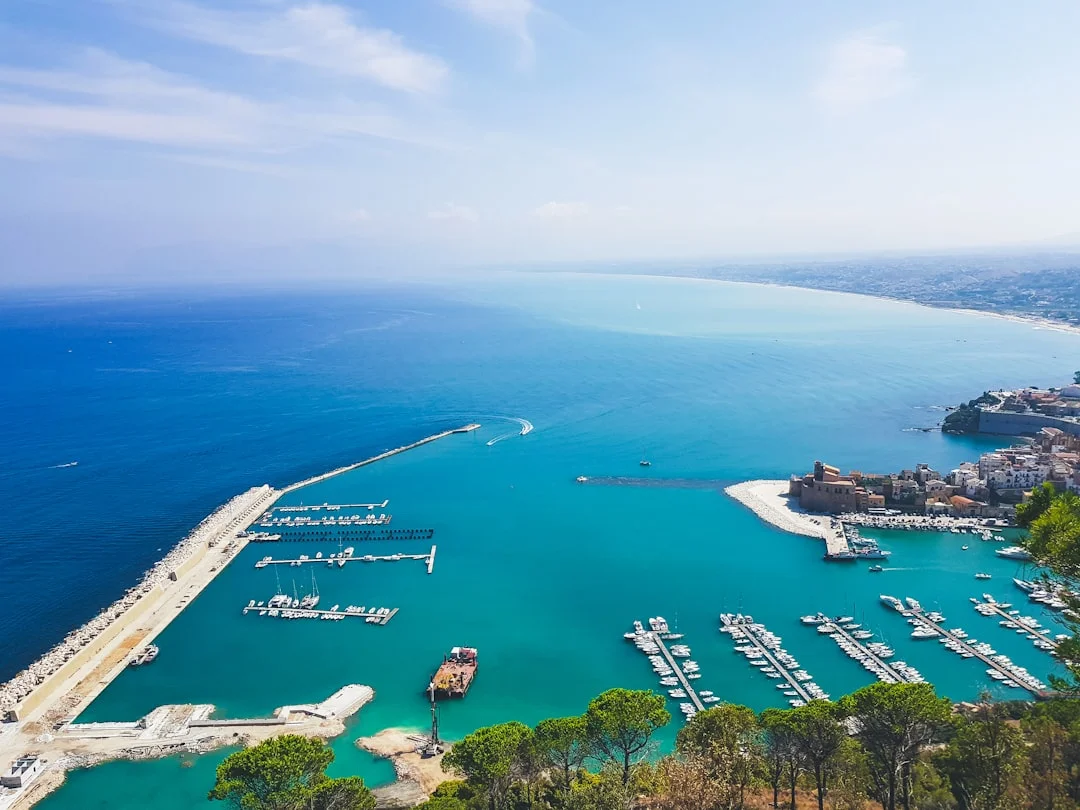
Photo by Dimitry B on Unsplash
Premium-demand zones: Amalfi/Capri/Cinque Terre cost drivers
Amalfi, Capri, and parts of Cinque Terre behave like scarcity markets. In peak season, a 12m monohull commonly sees €180–€450+/night, and the top end is not theoretical when availability tightens. Limited quay length, tender-only zones, enforcement pressure, and concierge-style service all funnel demand into a few controlled berths.
This is also where dynamic pricing and minimum stays show up more often. If you’re planning to “just stop for one night,” you may be forced into the most expensive slot or refused outright. A late arrival after a long passage is the classic way to pay the “didn’t plan arrivals” tax—use a sea-mile calculator for timing your legs so you’re calling marinas by mid-afternoon, not at sunset.
Practical invoice structure: what Italy commonly itemizes
Italy often itemizes utilities and local charges even when the berth rate looks all-in. Metered electricity at €0.30–€0.90/kWh is common where A/C loads are heavy, and water may be billed at €2–€6/m³. Tourist tax—where applied—can run €1–€7/person/night, and it’s the sort of line item that makes a “€200 berth” quietly become €240.
The real spread is big: in peak season, the same LOA can see a ~3×–6× range between a basic municipal harbor and a premium destination marina. My decision framework is simple: pay premium when you need security, shore power reliability, or a location you can’t replicate safely. Otherwise, use town quays and secondary marinas—still paying attention to weather, swell, and proper mooring practice—because “saving money” is pointless if you bend your rudder.
Greece marina fees 2026: quays vs marinas, island hotspots
Municipal quays/port-police managed stops: what you pay for (and don’t)
Greece remains the place where you can keep a cruising budget intact, mainly because municipal quays and port-police managed stops are still common. In peak season, a 12m monohull on these quays often costs €15–€60/night, sometimes including very little beyond permission to be there and a receipt that proves you paid. You’re trading polish for price, and that’s a reasonable trade when conditions are settled.
The operational reality: services can be limited or intermittent. You might get water only at certain taps, power may be absent or low-amperage, and garbage disposal can be “somewhere over there.” That’s fine if you plan for it, but it’s not the night to discover your shore-power cable is too short or your fenders are tired.
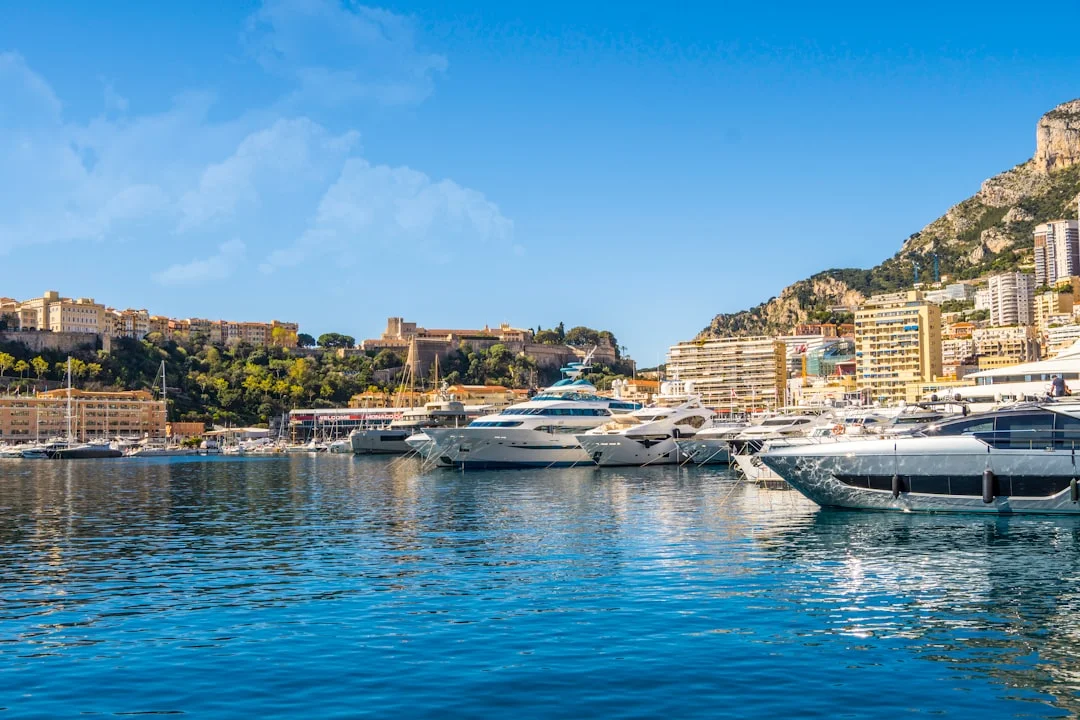
Photo by Todor Andonov on Unsplash
Premium nodes: Athens area and the Cyclades demand curve
Private marinas and premium nodes in the Athens area, plus the Cyclades orbit, cost more because they’re reliable and located where boats naturally converge. In peak season, a 12m monohull typically sees €60–€180/night in these marinas. When meltemi patterns stack up, demand concentrates even more, because crews want shelter, power, and predictable berthing.
Booking behavior in high season is tighter than people remember from a decade ago. Expect deposits in the 20%–100% range depending on the marina and how hot the week is, and expect better outcomes when you book days ahead rather than trying to wing it at 1700. If you must arrive late, call early and be honest about ETA—marinas hate surprises, and they can price you accordingly.
Utilities reality: power limits, metering, and water availability
Greek shore power is commonly IEC 60309 blue 230V/50Hz, usually 16A (3.68 kW) and sometimes 32A (7.36 kW). Sixteen amps will run battery charging and light domestic loads, but it’s not a “run everything” supply; one water heater at 1–1.5 kW plus a charger at 1–3 kW can already put you in the breaker-tripping zone. Metered electricity, when charged, still tends to land in the €0.30–€0.90/kWh band.
Water in island Greece is where budgets get ambushed. Even if the baseline assumption is €2–€6/m³, islands can go higher, and availability can be the bigger issue than price. When you choose cheaper quays, remember the soft costs: taxis, provisioning runs, and sometimes a night running a genset (where permitted and considerate). Cheap berths get expensive if they force expensive logistics.
Croatia marina prices 2026: ACI vs local, booking reality
ACI Marina pricing patterns vs independent marinas
Croatia’s cruising infrastructure is strong, and the ACI network is a big part of the “it just works” feeling. For a 12m monohull in peak season, mid-tier private or municipal marinas often fall around €70–€160/night, while ACI marinas typically run €120–€260/night. ACI buys you consistency: staff, facilities, and usually the kind of dock layout that reduces drama when the afternoon breeze arrives.
Independent marinas can be excellent value if you pick well and don’t chase the most famous names. You’ll see more variability in amenities, breaker capacity, and how strictly they enforce LOA brackets. If you’re doing frequent short hops, the difference between a well-run local marina and ACI may be negligible—until the day it isn’t.
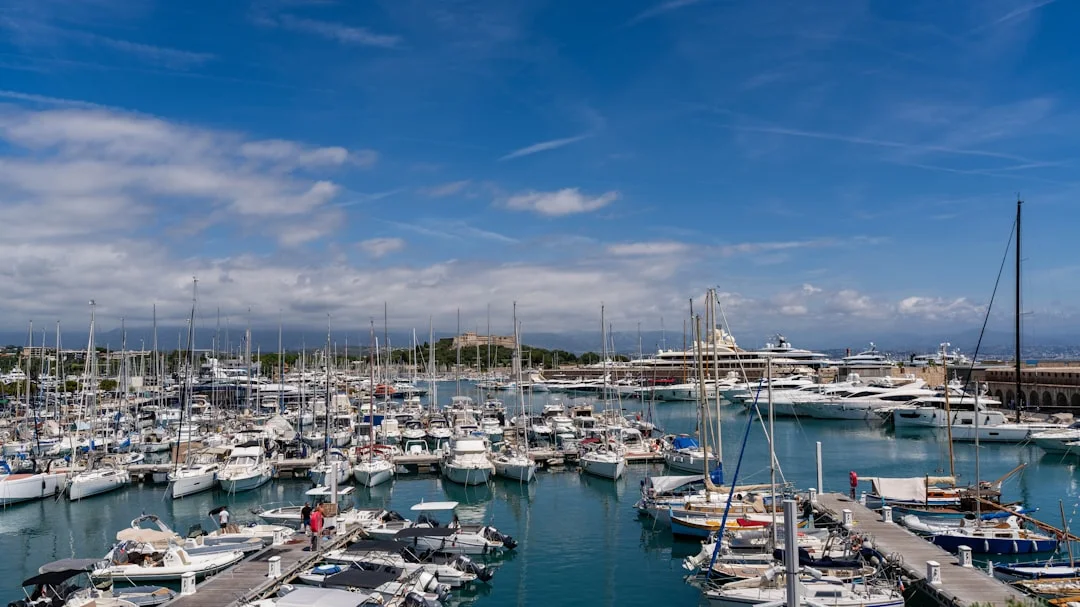
Photo by Rich Martello on Unsplash
What drives Croatia’s peak-season premiums (and when to pivot)
Croatia’s premium weeks are driven by charter turnover rhythms and concentrated demand in Dalmatia. “Transit berth” can become a polite fiction in July and August, when marinas are near capacity and priority goes to longer bookings or known customers. Deposits and reservation systems matter more than people expect, and arriving without a plan can mean an expensive night—or no night at all.
This is where shoulder season strategy pays. A 20–50% discount swing is realistic when you shift into late September or October, and the sea state often becomes more civilized too. If you’re route-building, use Breezada’s sea distance calculator to keep daily runs reasonable so you arrive with options, not desperation.
Catamaran and beam constraints in Dalmatian marinas
Beam is Croatia’s hard limiter, especially in older marinas and packed Dalmatian basins. Catamaran multipliers of ~1.5×–2.0× are common, and availability of wide berths can be tighter than the published rates suggest. In practice, the “effective rate” is often set by what berth width class is left, not what the website lists.
Also expect documentation checks to be more systematic than in some places. Proof of insurance is frequently requested, with third-party liability commonly in the ~€1M–€3M range, and they may want dates and vessel particulars to match exactly. If your paperwork is messy, you’ll spend your first hour in port doing admin instead of tying a proper stern line—an avoidable way to start the evening.
Spain marina fees 2026: mainland coasts vs the Balearics
Mainland pricing: Costa Brava to Andalusia (typical patterns)
Spain’s mainland pricing is broad but generally comparable to Italy’s “non-premium” areas when demand is normal. For a 12m monohull in peak, expect €80–€220/night depending on region, proximity to city centers, and weekend/event pressure. Depths are typically adequate for cruising yachts—often 2.5–4.0m in small-craft basins—but some older harbors can be tighter than the brochure photos.
What pushes Spain’s mainland rates upward isn’t just facilities; it’s timing. High-demand weekends and festivals can spike pricing, and “last-minute” is rarely rewarded. If you need predictable berthing during a busy week, it’s often cheaper to book early than to bargain late.
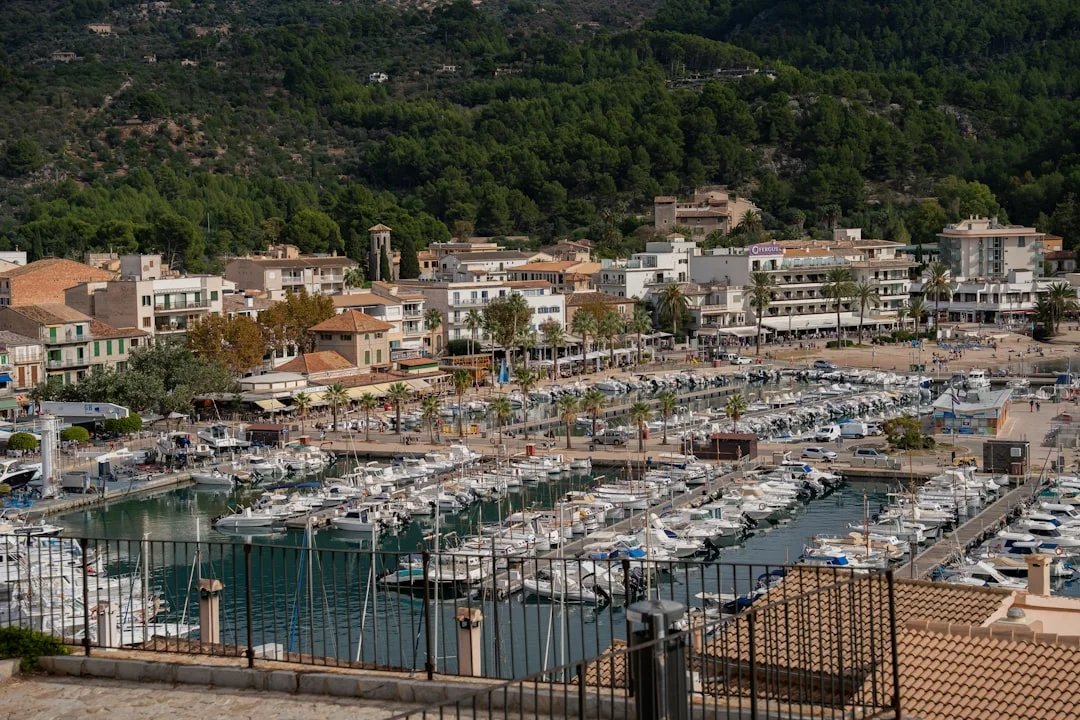
Photo by Tim Bernhard on Unsplash
Balearics: why Mallorca/Ibiza/Formentera price differently
The Balearics play in a different league because the demand is international and the supply is finite. For a 12m monohull in peak, premium marinas can run €180–€500+/night, and strict booking rules are common. Prepayment in the 20%–100% range is normal in hotspots, and cancellation policies can be sharp enough to cut through optimism.
Availability constraints matter as much as price. If you plan to “just pop into Ibiza for a night,” you’re competing with boats that booked weeks ahead and don’t care what it costs. If you must do it, plan your arrival window carefully and have alternates that are safe in the forecast, not just “nearby on the chart.”
Deposits, minimum stays, and high-demand weekends
Spain is a classic place where “true total” bites. Metered electricity at €0.30–€0.90/kWh, water at €2–€6/m³ (and sometimes higher), plus local taxes and fees can add 5–25% to the base number depending on your onboard habits. If you run A/C hard and heat water at the dock, your “€250 night” can quietly become €320.
Tactically, splitting nights helps: a couple of marina nights for provisioning, laundry, and charging, then approved anchorages when conditions and regulations allow. This isn’t about being cheap; it’s about not paying premium utility rates for days you’re barely aboard. Just don’t push it into unsafe anchoring or ignoring local restrictions—Spanish authorities are not impressed by “but I saw it on YouTube.”
Add-ons & technical constraints that change your invoice
Shore power: 16A vs 32A vs 63A, and what loads actually fit
Most Med pedestals use IEC 60309 blue 230V/50Hz connectors, typically 16A (3.68 kW) or 32A (7.36 kW), with 63A (14.5 kW) appearing on larger berths. The numbers matter because sailors routinely overestimate what they can run without tripping. If you try to run a 2 kW A/C, a 1.5 kW water heater, and a 2 kW charger on 16A, you’ll be on speaking terms with the pedestal breaker.
From a best-practice standpoint, your onboard AC system should be built and maintained to standards like ISO 13297 (EU benchmark) and, for visiting American boats, ABYC E-11 is a good safety reference. That doesn’t mean every pedestal is perfect, so bring a functioning shore-power cord, correct adapters, and don’t bypass basic protection because “it worked last time.” Electricity is expensive; mistakes are more expensive.
Photo by Garvit Nama on Unsplash
Water, waste, and environmental fees (EU port reception context)
Water is often billed per cubic meter, and €2–€6/m³ is a realistic baseline when metered. The surprise is how quickly you can burn it: a deck wash, a rinse of salty gear, and a couple of enthusiastic showers can turn into a meaningful number. On islands and premium zones, the price can exceed that baseline, and sometimes the “cost” is simply that water is rationed.
Waste and environmental fees are increasingly tied to port reception rules under EU 2019/883, and the logic is connected to MARPOL Annex V (garbage) and Annex IV (sewage). You might see a flat environmental fee, a waste line item, or a bundled charge baked into the berth price. The practical takeaway is simple: don’t assume waste disposal is “free,” and don’t assume you can discharge anything you shouldn’t—because the marina’s paperwork trail is improving.
Documents, insurance minima, and why marinas can refuse a berth
Paperwork checks are now normal in Italy, Greece, Croatia, and Spain, particularly in larger marinas and charter-heavy areas. Expect to show registration, passports/IDs, and an insurance certificate with third-party liability commonly in the €1M–€3M range. Some marinas also want policy dates, hull ID, and confirmation the named vessel matches the booking exactly.
The classic delay-causers are boring: expired policy dates, a boat name mismatch, or a certificate that doesn’t state third-party liability clearly. If you’re chartering, crew lists and local formalities can add time, so don’t arrive with “just enough daylight” to reverse into a tight Med-moor slot. In 20 years of watching arrivals, I’ve learned that paperwork chaos correlates strongly with stern-quarter gelcoat repairs.
2026 budgets and route planning: weekly/monthly scenarios
A ‘moving boat’ week: change berth every 2–3 nights (12m mono)
A realistic “moving boat” week in peak season is often 3–4 paid marina nights and the rest on anchor or municipal quays, depending on country and weather. Your cost isn’t just the nightly rate; it’s also your arrival pattern. Long hops tend to end late, and late arrivals tend to end expensive.
Use a sea-distance tool to plan realistic day runs when sketching legs so your ETAs align with office hours and daylight. If you keep passages to the kind of sane run that gets you in by 1500–1700, you’ll have options, and options are what keep fees under control. Also remember LOA bracket jumps—moving from 12m to 15m or 15m to 18m can step-change the week’s total even if you only “grew a little.”
A ‘stay put’ month: long-stay discounts and realistic totals
Monthly pricing often isn’t 30 nights; it’s commonly priced around ~20–30 nights equivalent, which translates to a typical effective discount of ~10–35% versus paying nightly. That discount is real, but it’s not magic: you’ll still pay utilities, taxes, and sometimes environmental fees. If you’re working aboard and running A/C, your metered power can be a bigger line item than you expect.
This is also where your boat type matters. A 12m catamaran paying 1.5×–2.0× plus higher electrical loads can turn a “reasonable month” into a very serious number. And an 18m boat isn’t just more expensive in base berth; it often draws more shore power and ends up in the 18m bracket where rates are designed to separate dreamers from owners.
Distance and pacing: how sea miles drive marina nights
The more sea miles you pile on, the more you’ll tend to use transit berths for rest, repairs, and reprovisioning. Shorter hops can reduce fatigue and weather exposure, but they may increase marina frequency because it’s convenient to stop “just one more night.” Either way, miles and nights are linked, and ignoring that link is how budgets drift.
Below are budget templates using a consistent “true total” structure for a 12m monohull, assuming 2 people, 15 kWh/day when plugged in, 1 m³ water/week for paid stays, tourist tax where applicable, and a modest booking fee allowance. Treat these as planning numbers, not promises from any specific marina.
| Scenario (12m mono) | Country | Berth cost | Power (15 kWh/night @ €0.30–€0.90) | Water (m³ @ €2–€6) | Tourist tax (2 ppl @ €1–€7) | Booking/other fees | Estimated total |
|---|---|---|---|---|---|---|---|
| 7 nights / 4 paid marina nights (peak) | Italy | €360–€880 | €18–€54 | €2–€6 | €8–€56 | €10–€40 | €398–€1,036 |
| Greece | €60–€240 | €18–€54 | €2–€6 | €8–€56 | €0–€30 | €88–€386 | |
| Croatia | €280–€640 | €18–€54 | €2–€6 | €8–€56 | €10–€40 | €318–€796 | |
| Spain | €320–€880 | €18–€54 | €2–€6 | €8–€56 | €10–€50 | €358–€1,046 | |
| 30 days / monthly berth (peak-ish) + utilities | Italy | €1,800–€4,800* | €270–€810 | €20–€60 | €60–€420 | €30–€120 | €2,180–€6,210 |
| Greece | €600–€2,400* | €270–€810 | €20–€60 | €60–€420 | €0–€90 | €950–€3,780 | |
| Croatia | €1,400–€5,200* | €270–€810 | €20–€60 | €60–€420 | €30–€150 | €1,780–€6,640 | |
| Spain | €1,600–€6,000* | €270–€810 | €20–€60 | €60–€420 | €30–€180 | €1,980–€7,470 |
*Monthly berth ranges reflect the reality that “monthly” is often priced at ~20–30 nights equivalent and varies heavily by micro-location and demand.
Practical tip (budget scaling):
For a 12m cat, multiply the berth line by 1.5×–2.0× first, then increase the power assumption to 20–50 kWh/day if you run A/C. For an 18m boat, re-price using the 18m bracket; don’t “add a bit” to 12m numbers.
Frequently Asked Questions
How do Mediterranean marinas calculate LOA for billing (incl. bowsprits, davits, swim platforms), and which appendages most often trigger a higher bracket (10/12/15/18/20m+)?
Most marinas bill LOA as declared on registration/insurance, but many will also use obvious overall length if appendages are permanent. The common bracket steps are 10m, 12m, 15m, 18m, 20m+, and the usual bracket-trippers are bowsprits (especially with anchor deployed), davits with a dinghy hanging, long swim platforms, and pulpits. If you’re near a threshold (say 11.9–12.2m), assume you may be billed up a bracket and plan your budget accordingly.
For a 12m yacht on 16A shore power (IEC 60309, 230V), what realistic continuous load (kW) can you run without tripping, and how does that change if the pedestal is 32A or 63A?
At 230V single-phase, 16A is about 3.68 kW, 32A is 7.36 kW, and 63A is about 14.5 kW. Realistically you don’t want to sit on the limit continuously, so plan around ~3.0 kW on 16A, ~6.0 kW on 32A, and ~12 kW on 63A, especially when other boats and pedestal voltage drop are factors. One 1–2 kW A/C, a 1–1.5 kW water heater, and a 1–3 kW charger add up fast, which is why 16A feels “fine” until you try to live aboard like you’re in an apartment.
When a marina applies a catamaran multiplier (1.5×–2.0×), is it based on beam, berth width class, or a fixed policy—and how can you predict the effective rate before booking?
It’s a mix, but in practice it’s usually driven by berth width class and availability, then expressed as a “cat factor” like 1.5×–2.0×. Some marinas explicitly publish a multihull rate; others simply assign you to a wider berth category that costs more. To predict the effective rate, ask for the berth width (meters) and confirm whether the quote is based on LOA only or LOA + beam, then request the total as a single figure including utilities and taxes where possible.
What is a defensible kWh/day assumption for a 12–15m cruising yacht at dock (chargers, water heater, 1–2 A/C units), and what range of electricity cost per night does that imply at €0.30–€0.90/kWh?
A defensible band is ~10–40 kWh/day for a 12–15m cruiser, depending on whether A/C and water heating are running. At €0.30–€0.90/kWh, that implies roughly €3–€36/night for electricity, with €10–€25/night being a common “liveaboard but not extravagant” middle ground. Cats and motoryachts can exceed this easily, especially when multiple A/C units run continuously. If you’re trying to tie dock-power costs back to your itinerary, you can estimate your fuel needs based on the voyage distance and decide when it’s smarter to motor less and plug in more (or vice versa).
What paperwork and minimum third-party liability limits (€1M–€3M typical) are most commonly checked at check-in in Italy/Greece/Croatia/Spain, and what details on the certificate cause refusals or delays?
Most commonly checked items are registration/document of nationality, passport/ID, and an insurance certificate showing third-party liability often in the €1M–€3M range. The details that cause trouble are simple: expired dates, a boat name or HIN/serial mismatch, missing third-party liability wording, or a certificate that doesn’t clearly identify the insured vessel. If you want faster check-in, keep a single PDF pack ready on your phone and email, and don’t make the dockhand wait while you search your inbox like it’s a man-overboard drill.
About the Author
Related Articles
Diesel Heater Troubleshooting Boat: No-Start & Soot Fixes
Fix diesel heater no-start and sooting on your boat. Step-by-step checks for power, fuel, air/exhaust and maintenance—read the guide now.
By Breezada Team
Docking a Catamaran: Maneuvers, Springs & Crew
Master docking a catamaran with close-quarters maneuvers, spring lines, and crew roles. Learn the steps and dock with confidence—read now.
By Breezada Team
Best Stove for a Sailboat: Propane vs Diesel vs Induction
Compare propane, diesel, and induction stoves for cruising safety, cost, and power needs—use our guide to choose the best stove for your sailboat.
By Breezada Team
Single Handed Docking Sailboat: Line Methods & Drills
Learn single handed docking sailboat line-first methods, setup, and drills for crosswind/current. Practice safely—get the step-by-step plan now.
By Breezada Team