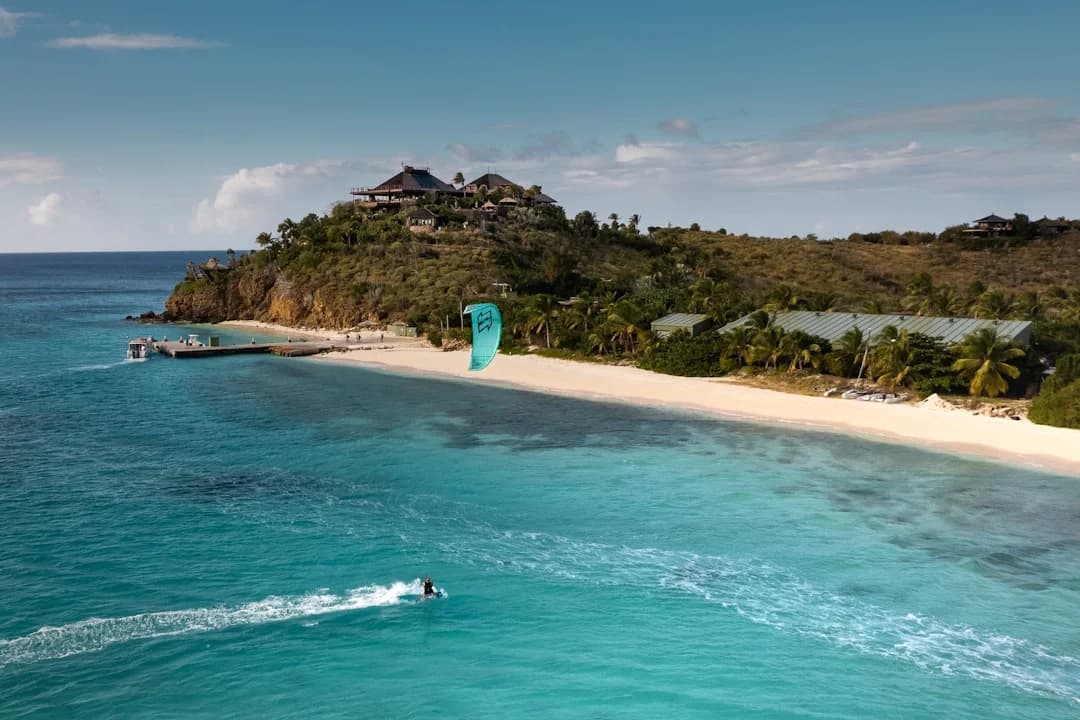
7-Day BVI Sailing Itinerary: Anchorages & Fees
A proper sailing BVI itinerary isn’t about cramming in every postcard bay. It’s about short, repeatable legs (often 6–22 nm/day), arriving early enough to pick the mooring you actually want, and not getting suckered into a rolly anchorage because the light looked pretty at 15:45. Most crews sail 2–5 hours/day at a realistic 4–6 knots once you factor in reefing, tacks, and “why is the jib sheet wrapped like that?” moments.
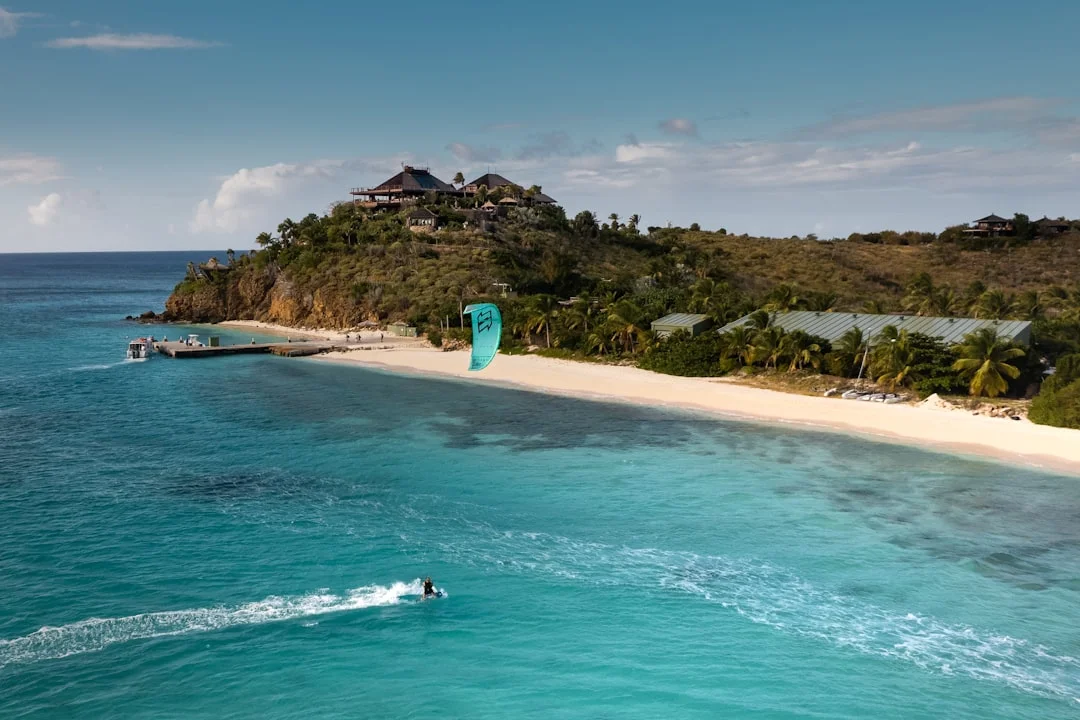
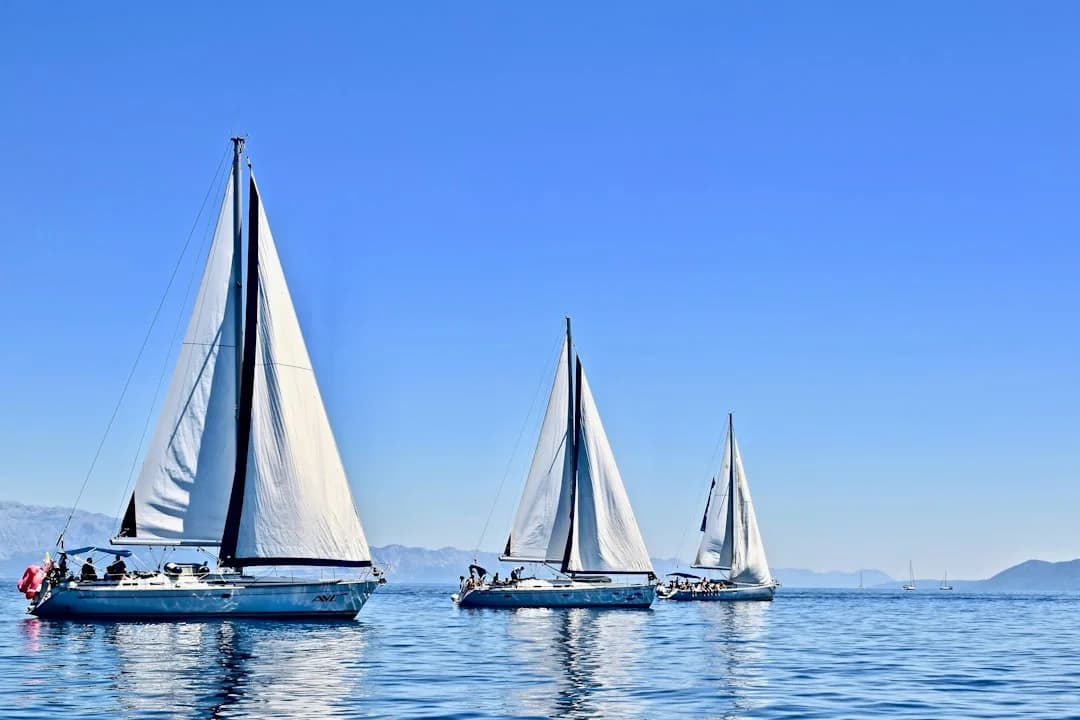
Photo by Nick Rickert on Unsplash
Quick Overview: 7-Day Sailing BVI Itinerary (NM + timing)
Map-style route logic from Tortola
The classic loop works because Tortola sits central, with protected waters inside the island chain and bailout options every few miles. A sensible route skeleton is Tortola → Norman/Peter → Virgin Gorda → North Sound → (Anegada optional) → Jost Van Dyke → Tortola. You’re rarely more than 5–8 nm from a “Plan C” anchorage, which is why the BVI is forgiving—right up until you get complacent around reefs.
Most charters run Saturday–Saturday for 7 nights / 8 days, and Day 1 is usually paperwork, provisioning, and safety briefing. Typical base check-in is 12:00–14:00, with briefings around 15:00–17:00, and it’s common to sleep at the dock that first night. If you do depart Day 1, keep it short: Road Town/Sopers Hole to Norman is a shakedown, not a passage.
Daily sailing windows and why early arrivals matter
The BVI’s dirty secret is that the best moorings are “reserved” by crews who simply arrive first. In high season with 12–20 knots of trades, the fleet tends to get moving mid-morning and piles into popular fields by mid-afternoon. I plan to be on station at 14:00 and properly secured by 16:00—not still shopping for a ball while the sun drops behind hills and your crew starts offering unhelpful advice.
Many charter contracts discourage or forbid night sailing, and it’s good practice anyway with reefs and unlit markers. Use a hard rule like “anchor set / mooring secured by 16:30–17:00,” so you’ve got time for a second attempt if the first pick-up goes sideways. If you want a sanity check on leg lengths, check the nautical miles for your planned route before you ever step aboard.
Plan A (NE trades) vs Plan B (north swell)
Plan A assumes typical NE trades (12–20 kn), with conservative reefing for charter cats once apparent is 18–22 kn. You’ll favor south-side stops (Norman, Peter, Cooper) where hills and reefs knock down sea state, and you’ll treat windward-facing bays as lunch-only. Plan B is when a north swell wraps in at 1–2 m or more; that’s when “protected” on paper becomes “why is the coffee airborne?” in reality.
Lee shores matter more here than people admit, because some bays look roomy but have poor exits if things shift. When swell is up, prioritize anchorages with reef/land protection and clean escape lanes, even if it costs you a beach bar. The itinerary still works—you just swap a couple of overnights and stop pretending the north side is always benign.
Day-by-Day Route: Tortola → VG → JVD (Anegada option)
Day 1–2: Base checkout → Norman Island / Peter Island
Day 1 is often dock sleep, but if you clear early, a short hop to Norman is the classic move. Road Town to The Bight (Norman Island) is roughly 6–10 nm depending on your base, and usually 1.5–2.5 hours at charter speeds. Grab a mooring, do a systems shakedown, and confirm your windlass, bridle, and dinghy fuel situation before you pretend you’re “on vacation.”
For a snorkel warm-up, use moorings at The Indians or The Caves (anchoring is often limited near reefs and swim zones). Expect mooring pickup heights around 0.5–1.0 m and have a 2–3 m boat hook ready, not buried under floaties. If Norman is slammed or rolly, shift to Peter Island (Great Harbour) for better protection and a quieter night.
Day 3: Virgin Gorda (The Baths access strategy)
From Norman/Peter to Virgin Gorda you’re typically looking at 10–16 nm, often 2–4 hours with tacking in NE trades. The Baths are the magnet, but timing is everything: aim to arrive early enough that you’re not trying to land a dinghy in surge while a tour boat unloads a small city. If north swell is running >1–2 m, treat exposed landings with suspicion, and don’t “make it work” just because it’s on the brochure.
Your best tactic is to overnight somewhere convenient and hit The Baths in the morning when the sun is high and the crowds haven’t peaked. Use moorings where provided, and keep a sharp eye on reef boundaries and buoy lines. If conditions aren’t right, pivot—Virgin Gorda is not a single-stop island, and your crew will survive without the perfect Instagram boulder.
Day 4–5: North Sound (Saba Rock / Leverick / Biras) + Anegada decision
Virgin Gorda to North Sound is short mileage but busy water. You’ll often sail 6–12 nm total with a stop, then spend the afternoon threading between boats, kites, and dinghies that appear to be driven by caffeine. In the Sound, your nights are often moorings or marina berths because depths and coral patches can make anchoring a game of “sand dollar lottery.”
This is also where you decide on Anegada—the outlier. The direct leg is roughly 14–16 nm from Virgin Gorda, but don’t treat it like another hop. Best practice is arrive 10:00–14:00 with visibility >3–5 nm, because Anegada is low, reef-ringed, and famous for making people believe their plotter more than their eyes. Some charter operators restrict it unless the skipper can demonstrate experience, and they’re not doing that for their health.
Day 6–7: Jost Van Dyke → return to Tortola
From North Sound (or Anegada) you’ll work back toward Jost Van Dyke. Expect a longer day if you’re coming from Anegada—still usually within the BVI norm of 6–22 nm/day, but with less room for faffing about. Jost’s popular overnights are Great Harbour (convenient and social) or White Bay (prettier, but can be uncomfortable in swell and crowded by mid-afternoon).
On your final day, keep the return to Tortola conservative. Plan 1–3 hours of sailing plus time for fuel dock lines, checkout lists, and the inevitable “where did that fender go?” If you’re plotting legs and trying to estimate arrival times for checkout, Breezada’s sea distance calculator is handy for avoiding optimistic math.
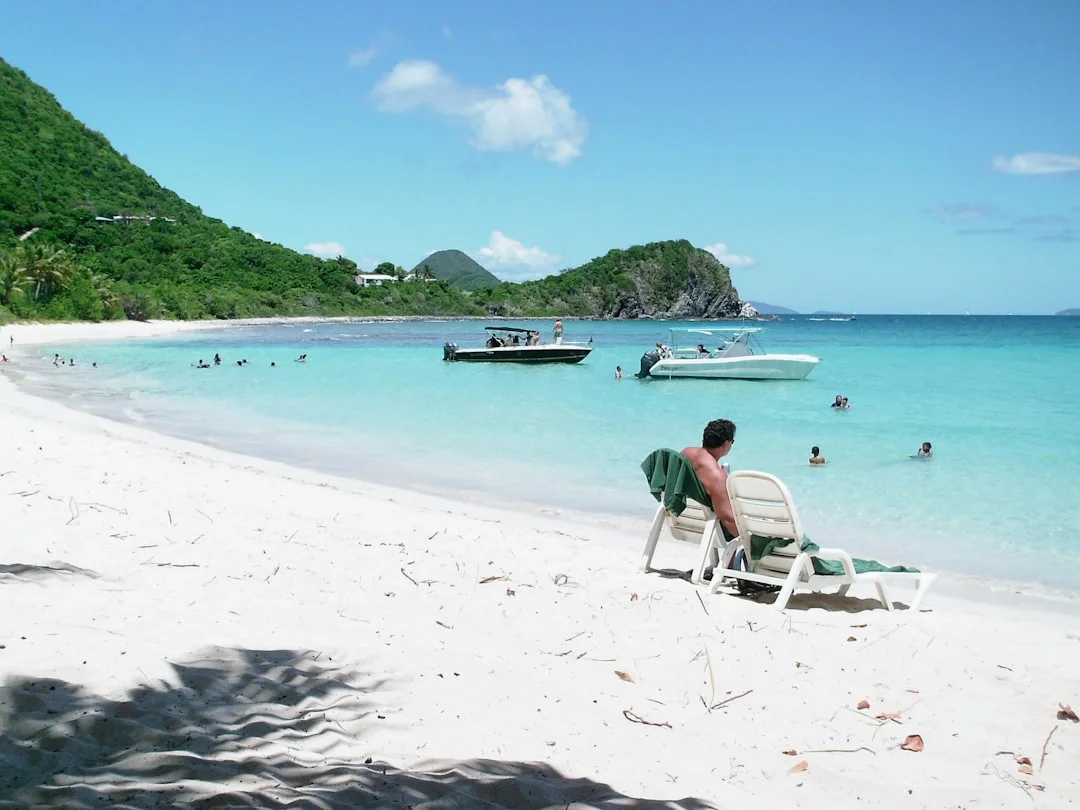
Photo by Dietmar Lichota on Unsplash
BVI Sailing Distances & Route Planning (realistic legs)
How to estimate time: speed, tacks, reefing, and current
In the BVI, rhumb-line distance is a nice starting point and a lousy schedule. A charter boat averages 4–6 knots in mixed conditions, but once you’re reefed and tacking, time expands fast. On upwind legs in 12–20 kn trades, I add 20–40% to my ETA for leeway, course changes, and sail handling that’s “learning-oriented.”
Cats in particular can make good speed until they’re pinching, then they slide to leeward and the VMG gets ugly. Build a plan around “engines off by arrival,” not “we’ll just motor the last bit,” because crowded mooring fields reward calm crews. If you want accurate numbers, calculate the distance between ports, then add your reality factor for wind angle and stops.
Sea-state routing: avoiding wraparound swell and lee shores
Swell is the itinerary killer, not wind. When north swell wraps in at 1–2 m or more, some north-facing bays become rolly even with fair skies, and dinghy landings go from fun to ankle-breaking. Favor inside passages and leeward shores when sea state is up, and pick anchorages that have a clean exit if the wind clocks overnight.
A lee shore in the BVI often shows up as “plenty of room” until you notice there’s no good place to reset an anchor without drifting toward rocks. Give yourself margin: arrive with daylight, keep a second anchorage in mind within 3–6 nm, and don’t wait until your crew is hungry to make the call. That’s not seamanship; it’s catering.
Crowding strategy: timing your arrival to mooring fields
BVI crowding has a rhythm. Many boats depart between 09:00–11:00, snorkel over lunch, then converge on mooring fields at 14:00–16:30. If you show up at 16:30 to a popular spot, you’re often choosing between a sketchy ball, a deep anchorage, or a long sail to your backup.
Apply SOLAS V voyage-planning thinking: check weather, define hazards, set waypoints, list alternates, and establish a daylight limit. Keep a VHF watch on 16, and confirm your charter base’s working channel at the briefing, because “call us if you need help” is meaningless without the channel number.
Best Anchorages by Area: protection, depths, holding
Tortola, Norman, Peter: easy first/last nights
For first and last nights, you want protection, short dinghy rides, and simple exits. South-side anchorages around Tortola’s lee are generally calmer in NE trades (12–20 kn) and less affected by wraparound swell. Norman and Peter are popular for a reason: you can be secured within 6–10 nm of base, and you’re not committing to anything complicated while your crew learns where the fire extinguisher is.
Bottom is often sand with grass and coral patches, so pick your spot and actually look at it if the water’s clear. Most charter ground tackle is decent—typically a 20–25 kg (44–55 lb) anchor with 50–80 m of 8–10 mm chain—if you set it properly. Don’t “drop and hope”; back down, build load, and verify you’re not dragging toward someone’s swim platform.
Virgin Gorda + The Baths area: swell and access tactics
Virgin Gorda is where people forget that comfort matters at 02:00. If a north swell is running >1–2 m, some otherwise lovely areas get rolly, and the dinghy ride can become wet, fast. Plan The Baths as a morning mission when the sun is high and your crew is fresh, not as a last-minute afternoon scramble.
Moorings at popular sites exist for a reason: reefs and swim zones don’t mix with casual anchoring. Respect buoy lines, signage, and no-anchor areas; reef damage is permanent and the BVI doesn’t need more souvenirs. If you must anchor, pick clean sand, avoid coral heads, and use a snorkel check when conditions allow.
North Sound (Virgin Gorda): marinas vs anchor pockets
North Sound can be a playground, but it’s not always a relaxing anchoring lab. Depths vary, coral patches appear where you wish they wouldn’t, and the dinghy mileage adds up quickly. Many crews choose a marina berth or an established mooring for predictability, especially on a 40–46 ft charter cat with a 22–25 ft beam and more windage than your average billboard.
Dinghy logistics matter here. Typical tenders are 9–12 ft RIBs with 9.8–15 hp outboards, and long runs can chew fuel. Carrying 2–5 gallons of spare dinghy fuel can be sensible if you’re bouncing between docks, beaches, and restaurants, assuming your charter operator allows it and it’s stored safely.
Jost Van Dyke: Great Harbour vs White Bay tradeoffs
Jost is where the itinerary often loosens up—and where crews make comfort mistakes. Great Harbour is practical: easier dinghy access, services nearby, and generally straightforward protection depending on wind direction. White Bay is gorgeous but can be exposed; if swell wraps in, you’ll remember the view less fondly at midnight.
Cats tend to yaw more at anchor, monos tend to sail around their hook, and both can annoy neighbors if you ignore swing radius. Use a bridle on cats, mind your spacing, and don’t anchor on top of someone because “the app said it’s fine.” Apps don’t pay your deductible.
Practical tip: In the BVI, the “best” anchorage is the one that stays comfortable when the wind clocks 20° and a 1–2 m swell sneaks in overnight. Pick protection first, scenery second.
Mooring Rules & Costs: pickup, inspection, and backups
How BVI moorings work (parks vs private fields)
BVI moorings are a mix of National Parks Trust-style systems and private/restaurant fields. At prime snorkel spots, a common fee you’ll hear is about $30/night, with broader real-world ranges around $25–$55/night depending on location and operator. Day use can be informal or time-limited in some places, but rules and enforcement vary, so assume that if you occupy a ball into evening, you’re paying.
Private fields near restaurants may bundle mooring with dinner, or they may charge regardless—ask early, not after dessert. Keep cash or a card method handy, and don’t argue on principle; you’re not going to win a philosophical debate with someone who controls your sleep. If you’re cost-planning, assume 3–5 paid nights can total $90–$300.
Pickup technique for charter crews (cats vs monos)
Mooring pick-up is easy when it’s calm and the crew is quiet, so naturally it’s rarely calm and the crew is rarely quiet. Approach slowly under bare steerageway, with a proper lookout per COLREGS and no hero moves in reverse. Have one person on the bow with a 2–3 m boat hook, another ready with lines, and the helm committed to one clean approach.
On a cat, use a 12–16 mm nylon bridle to reduce yaw and share load between bow cleats, rather than shock-loading one point. On a monohull, a snubber is still smart to reduce chafe and noise. ABYC H-40 and ISO 15084 both boil down to the same common sense: load paths matter, and chafe will win if you ignore it.
Night rules, payment norms, and what to do when full
If the field is full at 16:30, don’t circle until dark hoping someone leaves. Shift to your alternate bay 3–6 nm away while you still have light, or anchor outside the field where allowed and safe. Don’t double up on a mooring unless the operator explicitly allows it; two boats on one system is a great way to learn what shock-load looks like.
If you anchor as backup, set an anchor alarm, take transits, and confirm you’re not drifting into the mooring field. Call your base on their operations channel if you need guidance, and keep VHF 16 monitored. This is normal BVI seamanship, not an emergency—unless you turn it into one by waiting too long.
Mooring safety checklist (ABYC/ISO strong-point logic)
Before committing full load, give the pendant and hardware a quick, disciplined look. Check for chafe at the eye, UV damage (fuzzy, bleached fibers), and splices that look like they were “improved” with a kitchen knot. Look for metal hardware that’s bent, heavily corroded, or poorly aligned, and confirm the load is going to your boat’s strong points, not a random stanchion base.
If anything looks wrong, reject it and move on. If you must stay, set your anchor as a backup with appropriate scope and snubbers, then notify the operator or your charter base. The BVI is forgiving, but it’s not obligated to forgive preventable mistakes.
Trip Budget: charter extras, permits, moorings, fuel, water
Two spending profiles: mooring-heavy vs anchoring-heavy
Most crews underestimate the “extras” because they think the charter fee is the trip cost. It isn’t. Your budget swings mainly on how often you pay for moorings ($25–$55/night), whether you take any marina slips ($2.00–$4.50/ft/night), and how much you motor for schedules, batteries, and water.
If you do a mooring-heavy week with 5 nights paid at $30–$50, you’re already at $150–$250. Add one marina night for a reset—say a 45 ft boat at $3.50/ft/night—and that’s about $158 plus taxes and whatever you buy ashore. Anchoring more can reduce costs, but it can also increase stress if you’re not confident setting in patchy sand/grass.
Fuel, water, ice: estimating consumption and dock bills
Diesel in the BVI commonly runs $5.50–$8.50/gal, and cats can burn 0.6–1.5 gph per engine at low rpm. Over a week, 20–60 gallons total isn’t unusual once you factor charging, calms, and tight ETAs, especially if you run a generator for A/C. Keep a simple engine-hour log; it’s the easiest way to estimate burn and avoid checkout-day shock. If you want a tighter estimate, estimate your fuel needs based on the voyage distance and then sanity-check it against your engine-hour log.
Water is often $0.10–$0.30/gal at marinas, and many charter cats carry 150–250 gallons. Most crews top up 50–150 gallons midweek depending on showers and dish habits, and the “salt rinse is fine” crowd usually loses the vote by Day 3. Ice runs about $5–$10/bag for 10–20 lb, and you’ll likely buy 4–10 bags unless your refrigeration is excellent.
Permits, customs/clearing, dockage, and crew costs
Government fees change, and enforcement changes, so don’t take any blog (including mine) as gospel on the exact number. If you’re clearing in from USVI or doing a cross-border itinerary, budget $150–$400+ in customs/cruising permit costs and allow 1–3 hours in busy periods. Road Town is a common port of entry, and timing it early saves both heat and paperwork misery.
If you hire a skipper, plan $250–$400/day plus tip (often 10–20%). A cook/hostess typically runs $200–$350/day plus tip, which can be worth it if you’d rather sail than argue about onions in a galley the size of a phone booth. Provisioning for 4–6 adults is commonly $900–$2,000 for a week depending on how many meals you eat ashore.
| Cost item (typical BVI week) | Common range (USD) | Notes that actually move the needle |
|---|---|---|
| Bareboat monohull 38–45 ft (shoulder) | $4,500–$9,000 / week | Plus insurance, cleaning, park fees, fuel |
| Bareboat cat 40–46 ft (peak) | $9,000–$18,000+ / week | More space, more windage, more systems |
| Paid moorings | $25–$55 / night | Often cited ~$30 at prime sites |
| Marina dockage | $2.00–$4.50 / ft / night | A 45 ft boat: ~$90–$203/night |
| Diesel fuel | $5.50–$8.50 / gal | Typical week: 20–60 gal total |
| Water | $0.10–$0.30 / gal | Midweek top-up often 50–150 gal |
| Ice | $5–$10 / bag | 10–20 lb bags; budget several |
| Provisioning (4–6 adults) | $900–$2,000 | Depends on “chef onboard” vs beach bars |
| Skipper | $250–$400 / day + tip | Tip often 10–20% |
| Cook/hostess | $200–$350 / day + tip | Helps more than people admit |
| Customs/cruising permits (if applicable) | $150–$400+ total | Allow 1–3 hours for processing |
Navigation, safety, and compliance: reefs, lights, and Anegada
Reef avoidance and ‘good light’ piloting in the BVI
BVI hazards aren’t “big ocean” problems; they’re close-range, shallow-water problems. Coral heads can be hard to read in low sun, and a shadow line can look like depth when it’s just glare. Plan to make your tighter reef passes with the sun higher, keep someone on the bow in good visibility, and don’t rely on a single electronic source when the water is turning suspicious shades of brown-green.
COLREGS still applies in the playground. Maintain a proper lookout, proceed at safe speed in crowded mooring fields, and assume the other boat’s skipper is busy arguing about fenders. SOLAS V voyage-planning principles are a good mental model even for day hops: weather, waypoints, hazards, alternates, and daylight limits.
Anegada risk management: go/no-go criteria
Anegada is worth it when conditions and crew skill line up, and a pain when they don’t. Go/no-go starts with timing: arrive 10:00–14:00 with visibility >3–5 nm, not late afternoon with sun in your eyes. The leg is roughly 14–16 nm from Virgin Gorda direct, but routing varies, and you need disciplined waypoint use because the island is low and reefs don’t care about your vacation schedule.
Use conservative plotter setup: correct datum, appropriate chart layer, and waypoints provided or approved by your charter operator. Cross-check with depth sounder trends and what you see out the window, not just what the screen says. If your crew is tired, the light is bad, or squalls are building, skip it—nobody wins a prize for “most ambitious itinerary.”
Anchoring and night-light compliance (COLREGS/ABYC)
Anchoring loads and chafe are where small mistakes become expensive noise at 03:00. Use 5:1 scope for normal conditions and 7:1 when trades build or squalls threaten, measured from bow roller to seabed, not just water depth. Rig snubbers and bridles to reduce shock loads; ABYC H-40 and ISO 15084 both emphasize strong points and proper load distribution for good reason.
For lights, comply even if you’re not night sailing. ABYC H-41 aligns well with COLREGS expectations: show proper navigation lights underway and a proper anchor light when anchored. Most charter operators avoid night sailing because reefs, traffic, and “mystery floating objects” don’t get easier after dark, even if your LEDs are perfect.
Fuel dock and electrical safety on turnaround days
Turnaround days are where accidents happen, because everyone’s in a hurry and half the fleet is at the dock. Follow ABYC H-33/H-24 principles: control the nozzle, avoid spills, and don’t top tanks to the brim in tropical heat where expansion can force fuel out vents. Keep the deck fill area clean, and confirm you’re filling diesel—not water—because mistakes here ruin more than your afternoon.
For shore power, ABYC E-11 is the logic: connect safely, check for reverse polarity indicators if fitted, and don’t ignore tripping breakers as “probably fine.” A dodgy pedestal can cook chargers and batteries quickly, and the marina won’t be impressed by your explanation.
Logistics: provisioning, fuel/water planning, trash, data, and timing
Provisioning is easiest when you accept one truth: Day 1 always takes longer than planned. If check-in is 12:00–14:00 and briefing is 15:00–17:00, you’re not doing a full grocery mission, a relaxed boat orientation, and a scenic sail to Virgin Gorda before dark. Plan a simple first-night meal, verify you have 2–3 days of breakfasts and lunches onboard, and leave the elaborate cooking until the boat routine settles.
Fuel and water planning should be treated like navigation, not like vibes. If your cat burns 0.6–1.5 gph per engine at low rpm and you log 15–25 total engine hours, you’re in the rough neighborhood of 20–60 gallons/week. If dock water is $0.10–$0.30/gal and you top up 50–150 gal, that’s a manageable bill—unless you arrive at the dock late with a checkout deadline and no patience.
Trash and recycling are unglamorous, but they matter. Keep trash bagged and contained so it doesn’t become cockpit confetti in 20 kn of breeze, and ask your base where they want garbage handled. Cell/data is generally decent around the central islands, but don’t bet safety decisions on streaming weather alone; download forecasts early and keep VHF procedures straight.
Timing-wise, build your last day around checkout requirements. You’ll need time for fuel dock, pump-out if required, and a debrief that always includes “any damage?” and “did you lose anything?”—two questions that can stretch a 10-minute stop into an hour. If you’re planning distances and ETAs to meet that schedule, this is another spot where Breezada’s sea distance calculator helps keep the optimism in check.
Variations and Contingency Plans (wind, swell, family pace, no-Anegada)
High winds change the game more than people expect. If trades are steady at 18–22 kn apparent, reef early and keep legs shorter; that’s not timid, it’s efficient. A family-friendly week often looks like 6–12 nm/day, more swim stops, earlier arrivals, and fewer “we can squeeze it in” detours that end with tired kids and rushed mooring pickups.
When north swell shows up at >1–2 m, pivot your overnights to better-protected bays and treat exposed beaches as daytime-only. Your “Plan B” might skip The Baths if landing is sketchy, or it might swap White Bay for Great Harbour to reduce roll. The BVI rewards flexible crews, and punishes those who insist the itinerary is a contract.
For a “no-Anegada” route, simply spend more time in North Sound and Virgin Gorda, then slide west to Jost. You’ll still get world-class snorkeling on moorings, short legs in the 6–22 nm range, and plenty of calm water inside the islands. Anegada is excellent, but it’s optional by design, and the best skippers I know are comfortable saying “not today.”
Practical tip: Treat your itinerary as a living document: wind direction, swell, crew energy, and mooring availability are the real schedule. The calendar is just a suggestion.
Frequently Asked Questions
For a 40–46 ft charter cat in 18–22 kn apparent, what reefing plan and target VMG should I assume when calculating BVI leg times (including tacking angles and leeway)?
Reef early and assume conservative performance: first reef in the main around 18 kn apparent, and be ready for a second reef if you’re consistently seeing 20–22 kn with gusts. For ETA math, use 4–6 kn average, then add 20–40% on upwind legs to account for tacking angles, leeway, and sail-handling delays; your VMG upwind may feel closer to 3–4.5 kn than the boat’s speed readout suggests.
How do I inspect a BVI mooring pendant and hardware for red flags (chafe, UV damage, splice integrity, attachment points) before I commit load to it?
Before loading it hard, look for heavy fuzzing/bleaching from UV, flattened sections from chafe, and splices that are short, uneven, or poorly tapered. Check the eye for wear where it bears on hardware, and scan any visible metal for deformation or serious corrosion. If the load path doesn’t lead cleanly to strong points (ABYC H-40 / ISO 15084 logic), or anything looks questionable, reject it and choose another mooring or anchor with proper scope.
When approaching Anegada from Virgin Gorda, what minimum sun angle/visibility criteria and waypoint discipline reduce reef-strike risk on a charter plotter setup?
Use a hard standard: plan arrival 10:00–14:00 with visibility >3–5 nm, and avoid late-day approaches with glare. Enter only with pre-briefed waypoints (preferably charter-operator recommended), correct chart datum, and zoom levels that show reef contours, not just a magenta line. Cross-check continuously with depth sounder trends and visual water color, because Anegada’s low profile and surrounding reefs punish “plotter-only” navigation.
What scope should I actually deploy in a 25–35 ft anchoring depth when the bow roller is 1–1.5 m above water, and how does that change in squalls?
Calculate scope from bow roller to seabed: 25–35 ft depth plus 3–5 ft bow height gives roughly 28–40 ft total. At 5:1, that’s about 140–200 ft of rode; at 7:1 for squalls/strong trades, it’s about 196–280 ft. If you don’t have room for 7:1 without crowding others, choose a different spot or use a mooring rather than pretending physics will negotiate.
If a mooring field is full at 16:30, what is the safest decision tree (secondary bay selection, anchoring outside the field, setting an anchor alarm, and notifying the operator/base via VHF)?
First, stop circling and pick your pre-planned alternate within 3–6 nm while you still have daylight. If anchoring outside the field is allowed and safe, set the hook with correct scope (often 5:1, or 7:1 if conditions demand), verify set by backing down, then set an anchor alarm and take visual transits. Maintain VHF watch on 16, and call the operator or your charter base on their working channel if you need local guidance or want to report an unsafe mooring option.
If you want to sanity-check this 7 day BVI sailing itinerary against your boat’s likely speeds and your crew’s tolerance for late arrivals, run the legs through Breezada’s sea distance calculator before you finalize bookings. The best week is the one where you arrive early, sleep well, and never have to explain to the base why your anchor looks like it fought a coral reef.
About the Author
Related Articles
Sailing Galapagos Islands: Permits, Costs & Rules
Understand sailing Galapagos Islands permits, costs, and rules—plus clear-in steps, routes, and biosecurity. Plan your yacht trip now.
By Breezada Team
La Maddalena Sailing Itinerary: Quiet 7-Day Sardinia
Plan a La Maddalena sailing itinerary for a quiet 7-day Sardinia escape—routes, anchorages, rules and costs. Get the full day-by-day plan.
By Breezada Team
Amalfi Coast Sailing Itinerary: Naples to Salerno Guide
Plan an Amalfi Coast sailing itinerary from Naples to Salerno with 7–10 day routes, anchorages, moorings & costs. Get the full plan now.
By Breezada Team

Canal du Midi Boat Trip: Practical Guide to the Med
Plan a canal du midi boat trip to the Med with routes, locks, timing & tips. Read the practical guide and start planning your cruise today!
By Breezada Team