
Best Yacht Charter Destinations by Month Guide

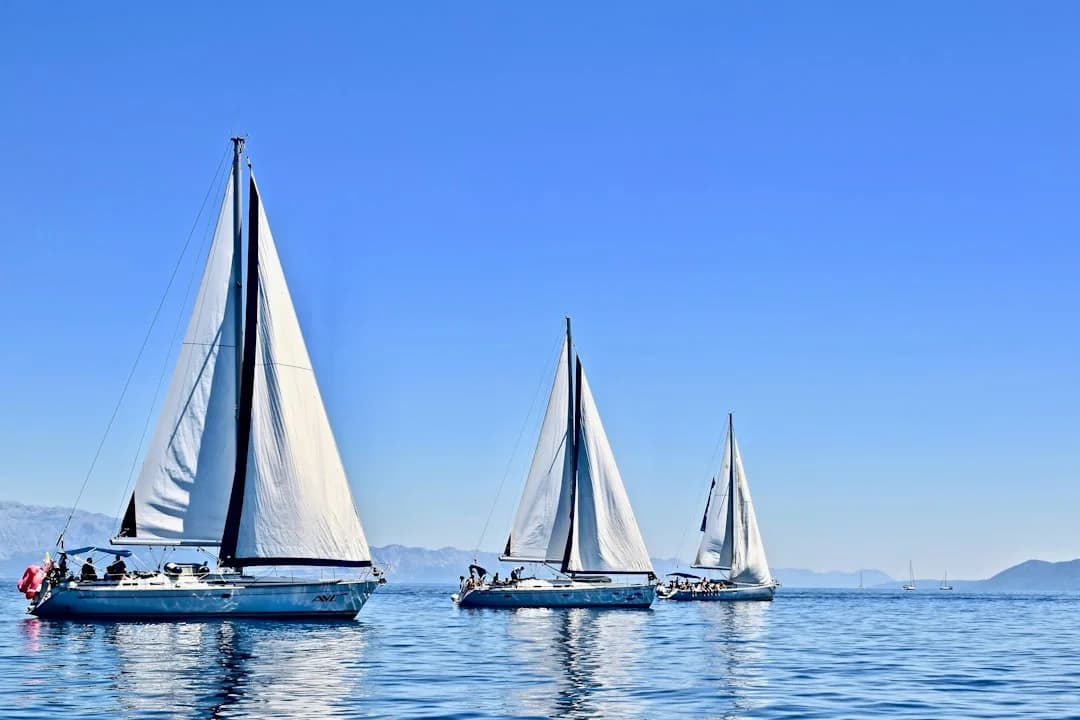
Photo by Mohamed Masaau on Unsplash
How to Choose the Best Yacht Charter Destination by Month
Picking the best yacht charter destinations by month isn’t about finding “perfect weather.” It’s about stacking the odds: (1) low storm risk, (2) high comfort on deck and at anchor, and (3) easy logistics for flights, berths, and provisioning. For most charters, the quoting rhythm is still 7 nights / 8 days, so you don’t have time to “make up mileage” if the forecast goes sideways.
A practical decision framework is month-first, then micro-region. Macro seasonality is real—Mediterranean peak is June–August, shoulder is usually May and September, while Caribbean prime demand runs December–April. But the micro-region is where you win or lose comfort: Greece’s Cyclades are a different world from the Ionian, and Thailand’s Andaman side does not behave like the Gulf.
Weather windows vs. comfort: wind, swell, humidity, SST
Comfort is a mix of sea state, heat, and the kind of “sticky” humidity that keeps guests awake at 0300. Sea surface temperature (SST) matters, but so does what it does to people: warm water plus high humidity often equals more A/C demand, more generator hours, and more fuel burned. If you’re on a crewed charter, that can land directly in APA—commonly 20%–30% of the base fee.
Don’t forget the sea state math. A benign 15–20 knots on the beam can be great sailing, while the same breeze over opposing current makes steep chop and a cockpit full of green faces. In the real world, “good weather” is often “good angles,” not just low wind speed.
Crowds, availability, and fleet positioning by season
Crowds are not just about restaurants. They’re about marina berths, taxi boats, and whether the charter base has any decent boats left that week. Even in shoulder season, popular towns can book out on weekends, and a berth hunt at 1700 is a fine way to learn new swear words in another language.
Fleet positioning also matters. Boats migrate: Med fleets swell in summer, Caribbean fleets swell in winter, and some yachts reposition through shoulder months—great for deals, risky for rigid itineraries. If you’re planning one-way routes, ask early whether repositioning is actually supported that month.
Boat-type fit: monohull vs catamaran vs motor yacht
Match the boat to the month, not your ego. Charter monohulls often draw ~1.8–2.4 m, while many charter cats draw ~1.1–1.5 m, which can open shallow banks, lagoons, and tight calas. That draft difference can reduce long transits to deep-water marinas and give you better anchoring options when the breeze pipes up.
For itinerary realism, I plan most charter weeks around ~10–30 NM/day. Go longer and you start trading beach time for engine hours, which raises fuel and—on crewed boats—often the APA burn. If you want to sanity-check legs quickly, check the nautical miles for your planned route because it forces you to think in nautical miles, not optimistic map-glances.
Tip: If the month has a meaningful storm risk window (Atlantic 06/01–11/30, South Pacific 11–04), build the charter around protected waters and short legs—then treat any “big crossing” as a bonus, not a promise.
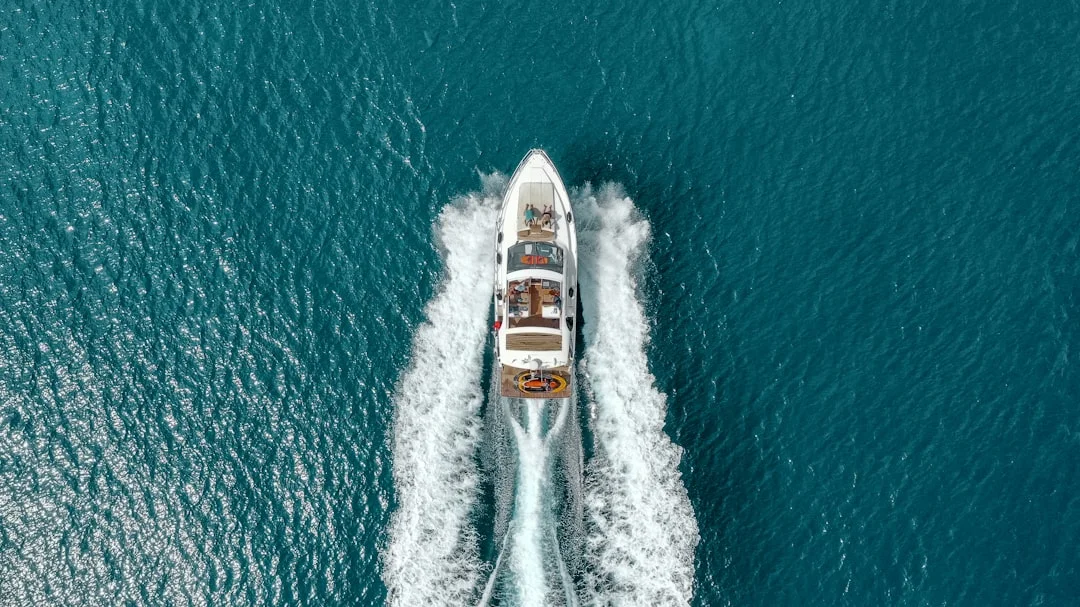
Photo by Carles Rabada on Unsplash
January–March: Caribbean High Season + SEA Dry-Season Plays
January through March is the closest thing the charter world has to “easy mode,” especially in the Caribbean. Demand is high for a reason: December–April typically brings lower humidity and reduced storm risk compared with late summer. Water temps stay inviting year-round, so the real differentiator is how pleasant it feels to live outside.
Caribbean: trades, short hops, and the ‘easy mode’ itinerary
Most weeks in the Leewards or BVIs can be built on 12–22 NM hops with time left for snorkeling and a proper lunch, not a sad protein bar at the helm. Expect trade winds that can sit in the 15–25 knot range, with gustier days that make windward decks unpopular. A catamaran’s stability helps here, but so does smart routing: avoid long slogs into chop when you can reach between islands.
The other reason winter works is logistics. More flights, more open restaurants, and a fleet that’s actually present and maintained for peak. But availability tightens fast, and the best boats—especially newer 40–50 ft cats—get booked months ahead.
Southeast Asia: Thailand Gulf vs Andaman in early-year conditions
In Thailand, seasonality is split by coast. The Gulf of Thailand is generally better 11–04, while the Andaman side is wetter/rougher 05–10—so January–March favors Gulf itineraries when you want predictable anchor comfort. You can still get good Andaman weeks early in the year, but you’re more exposed to fronts and leftover swell, depending on your exact area.
Heat management matters more than people expect. Even when conditions are “dry season,” cabin comfort depends on airflow, shade, and whether the boat’s A/C can keep up at anchor without running the generator all night. Ask what the typical generator run-time is in warm months—“a few hours” versus “all evening” is a very different vacation.
What to book: bareboat vs crewed and comfort priorities
For group comfort, the common buckets are a bareboat cat 40–50 ft for 8–12 guests, or a bareboat monohull 40–50 ft for 6–10 guests. If you’re pushing 20–30 NM/day into winter trades, a crewed option can reduce workload and keep decision-making sober when conditions get bouncy. If you’re bareboating, plan conservative legs and keep a “turn-back” harbor in mind before you commit.
If you’re building an itinerary, use a sea-distance tool to calculate the distance between ports to check whether a “quick hop” is actually 35 NM into the wind. Headwinds can double your time-to-arrival, and seasickness doesn’t care how much you paid for the charter.
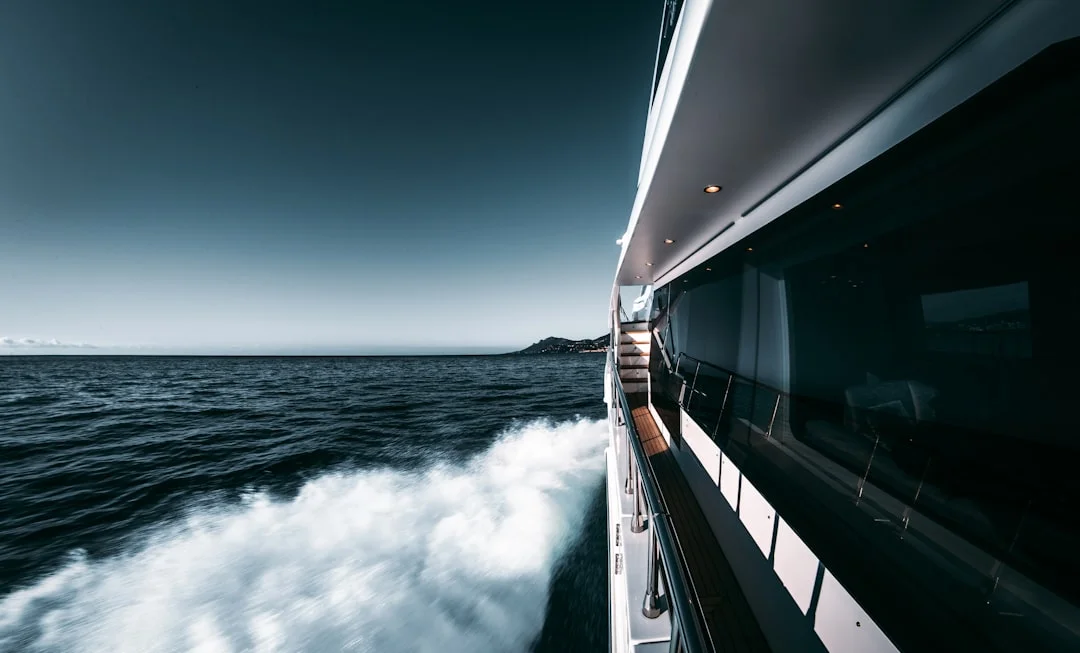
Photo by redcharlie on Unsplash
April–May: Shoulder-Season Value in the Med & Transition Months
April and May are the months I recommend to friends who hate crowds and don’t mind wearing a light jacket at night. The Mediterranean is waking up, pricing is often friendlier than July, and you can still get into ports without reserving your life months in advance. The catch is variability: spring systems can bring brisk wind shifts and cooler evenings.
Mediterranean spring: early openings, cooler nights, lighter crowds
The Med’s peak is 06–08, but the shoulder—especially May—can deliver great days with far fewer boats at the headline anchorages. Swim comfort is the honest tradeoff: the best swimming window is usually late June through September, while April/May can be cool but improving. Guests who expect bathwater in April are the same people who think “light winds” means no motion.
Choose areas that “turn on” earlier and have plenty of sheltered options. Balearics, Amalfi/Sicily, Croatia, and Turkey can all work in this window, but plan shorter legs—think 10–20 NM/day—so you can duck into protection when a front passes. A marina night or two in spring isn’t a failure; it’s good sleep and a hot shower that doesn’t rely on a tired water heater.
Caribbean late-season: calmer pricing, different island choices
By April and May, you can sometimes find better availability in the Caribbean, with fewer holiday crowds and slightly less pressure on top-tier yachts. You’re still outside the official Atlantic hurricane season (which runs 06/01–11/30), so the risk profile remains relatively comfortable. But heat and humidity begin creeping up, so shade and ventilation matter again.
It’s also a good time to change the island mix. Pick routes with protected anchorages and reliable services, rather than long, exposed reaches for the sake of bragging rights. Guests remember relaxed afternoons, not your heroic upwind tacking angles.
SEA transition: heat management and storm-pattern awareness
Southeast Asia in April–May is where heat planning becomes real seamanship. Refrigeration loads rise, cabins stay warmer, and some boats need the generator running multiple hours/day just to keep A/C tolerable at anchor. If you’re on a crewed charter, that extra fuel burn can show up in APA faster than people expect.
Ask basic but important questions: how many BTUs is the A/C, can it run off shore power, and does the boat have a functional watermaker. Under ABYC E-11 and ISO 13297 (AC electrical), you want a setup that isn’t overloaded every time someone makes coffee while the A/C is on.
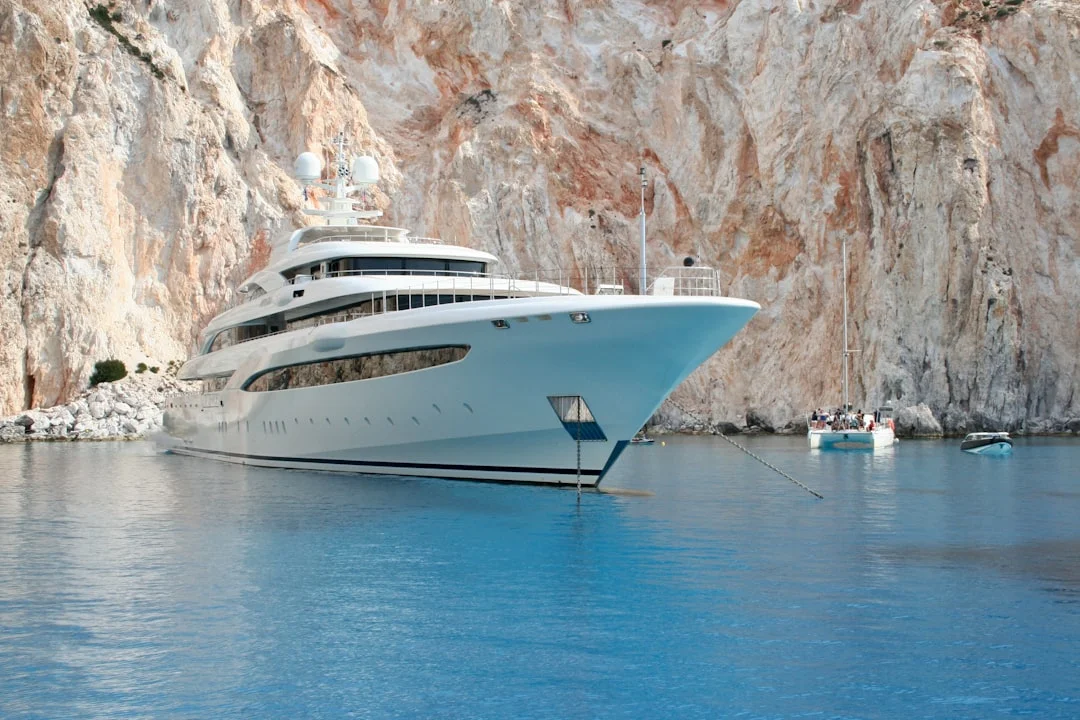
Photo by Claudio Poggio on Unsplash
June–August: Mediterranean Prime Time (and Wind-Pattern Strategy)
June through August is the Med’s headline season: long days, warm water, busy ports, and pricing that reflects the fact that everyone had the same idea. If your crew wants the classic Med rhythm—swim, lunch, siesta, late dinner—this is it. Your job is to plan around wind systems and heat so you don’t spend the week fighting the elements or the marina office.
Greece: Meltemi routing—Cyclades vs Saronic vs Ionian
In Greece, the Meltemi is the big lever. It’s commonly strongest and most frequent in July–August, and it can turn a “family sail” into a wet, loud ride that nobody admits they hated until the airport. When it’s elevated, I push families toward the Saronic or Ionian, where you can string together 10–25 NM legs in more protected waters.
If you do go Cyclades, route like you mean it. Avoid long open-water legs to windward, don’t anchor on lee shores “because it looks pretty,” and keep an out. ISO 12217 stability categories don’t make you bulletproof; they just remind you that exposure and sea room matter.
Adriatic & Italy: heat, bora risk notes, and marina strategy
Croatia and the Adriatic can be outstanding in summer, but you need to respect local wind behavior. The Bora is the one that ruins casual plans: if there’s a Bora forecast, reduce exposed legs and aim for island chains with shelter rather than committing to long open stretches. A simple rule: if the forecast suggests strong northeasterlies, keep daily runs closer to 10–15 NM and avoid narrow, gusty funnels.
Italy in July–August is about heat management and berths. Plan arrivals earlier in the day, not at 1800 when everyone else is hunting space. Expect marina rates to climb in popular towns, and remember that a calm night’s sleep is sometimes worth more than the “perfect” anchorage with music thumping from shore until 0200.
Turkey & Balearics: balancing sea breeze, anchorages, and crowds
Turkey can offer a great balance of sheltered anchorages and interesting towns, but it’s still summer: heat, busy bays, and the need for good ground tackle. The Balearics are stunning, and they can also be crowded enough to test your anchoring manners. This is where draft matters: cats at ~1.1–1.5 m can tuck into shallower calas, while monohulls at ~1.8–2.4 m may be forced wider, with more roll.
A/C expectations are the quiet budget killer in peak summer. More genset hours means more fuel, more noise, and sometimes a more complicated guest experience at anchor. On crewed charters, that’s exactly how “we’ll just run it a bit” becomes a noticeable APA line item.
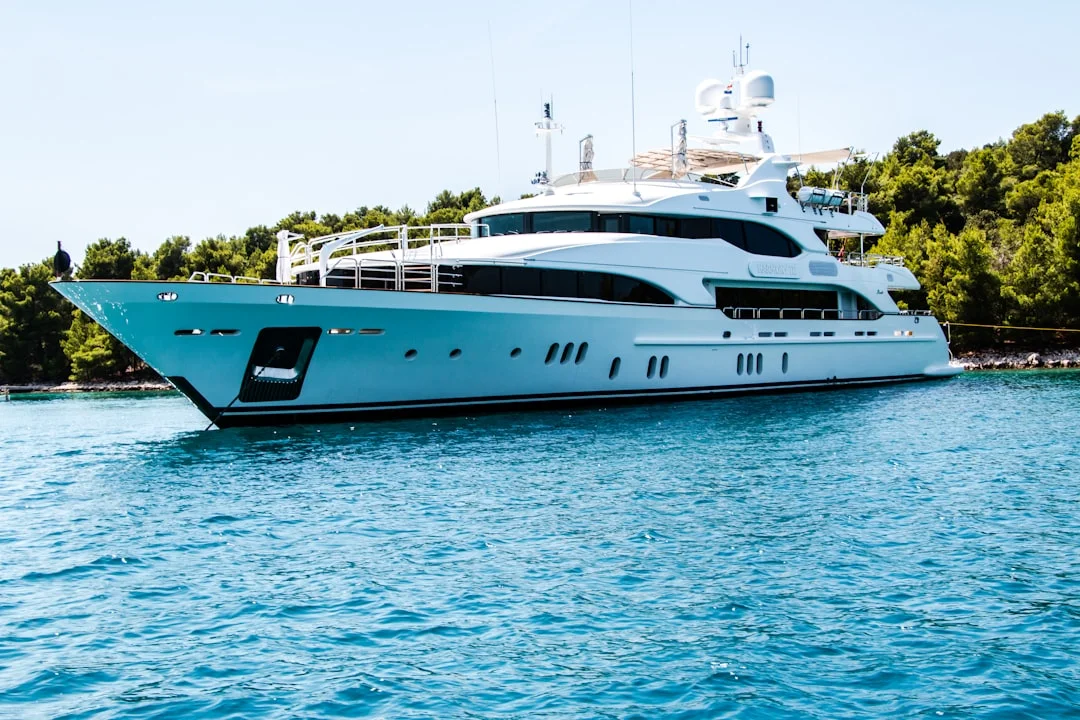
Photo by Marcin Ciszewski on Unsplash
September–October: Warm Water, Better Deals, and Route Flexibility
If I had to pick a single Mediterranean window for maximum enjoyment per dollar, it’s often September. Water stays warm after the summer heating cycle, crowds thin, and marinas feel less like a competitive sport. October can still be excellent, but you need a more weather-aware mindset as fronts become more frequent.
Mediterranean late season: best blend of swim temps and space
September is still shoulder season in many places, and swim comfort often remains strong through the month. You also get more flexibility with berths and anchorages, which changes the whole tone of the trip. Instead of reserving every stop, you can actually make decisions based on the day’s conditions and what the crew feels like doing.
Keep the itinerary realistic: 10–25 NM/day is still the sweet spot. With fewer crowds, you can choose the better bay rather than the only bay with room. That’s not luxury; it’s basic seamanship and good scheduling.
Caribbean ramp-up: early positioning and risk-managed planning
In the Caribbean, September–October is a different conversation because it overlaps peak climatological hurricane activity, typically August–October, within the official 06/01–11/30 season. That doesn’t mean “never charter,” but it does mean you should prioritize flexible routing, clear contract terms, and realistic expectations. The best plan is one that still works if you have to change islands, bases, or even dates.
This is where insurance and broker communication matter as much as the boat. Ask about named-storm policies, what triggers cancellation, and whether re-routing is supported without punitive fees. A cheap deal is not a deal if the paperwork turns a forecast into a financial hostage situation.
Asia storm notes: monsoon tail-end and regional alternatives
Asia in these months is about choosing the right coast, not the right country label. Thailand’s Andaman side is typically wetter/rougher 05–10, while the Gulf tends to be better 11–04, so late monsoon tail-end planning may favor a Gulf swap. Watch for prevailing wind direction shifts, lingering swell, and rainfall patterns that turn “pretty bay” into “muddy run-off soup.”
Top boats can still book early for specific event weeks, even late season. If you’re traveling around a fixed date, don’t assume “shoulder season” equals unlimited choice. It usually just means you have a fighting chance.
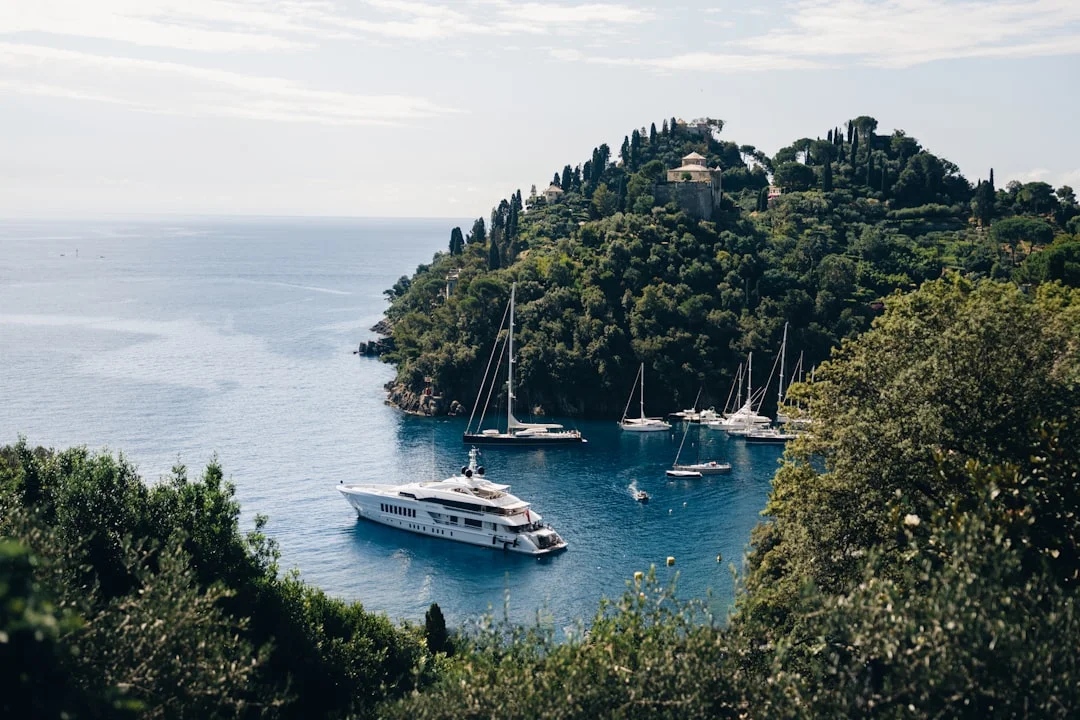
Photo by Peter Thomas on Unsplash
November–December: Storm Windows, Pacific Prime Starts, and Smart Timing
November and December are transitional months, and the trick is to be honest about risk windows. The Caribbean hurricane season is still officially active until 11/30, which makes early November a different beast from late December. Meanwhile, the South Pacific begins shifting into cyclone-season logic, commonly tracked 11–04, even though some regions can still offer good cruising.
Caribbean: early winter demand returns as risk declines
Late November and December see demand building again, especially as humidity eases and storm risk generally declines. By late December, pricing often spikes, and some charters come with stricter terms or minimum stays beyond the usual 7 nights/8 days. If you want Christmas week on a good boat, book early and expect premium rates.
For early November, I’d plan conservative routes with multiple bolt-holes and avoid ambitious open-water legs. Flexibility is your friend: a protected itinerary can still be a great trip, while a rigid one can become a week of “waiting for the weather” and spending money in a marina you didn’t want.
South Pacific: cyclone-season boundaries and prime months
The South Pacific’s cyclone window is commonly considered November–April, and many operators highlight May–October as prime. That doesn’t mean the region shuts down in November/December, but it does mean you should listen closely to local operator guidance and build the plan around shelter and latitude. Lagoons and reef-protected areas can be wonderful—until swell and wind line up wrong at passes.
If you’re considering French Polynesia or Fiji around the shoulder, ask what itineraries are typical that month and what their “no-go” thresholds are for open crossings. A competent operator will have clear policies; vague answers are a useful warning.
SEA: shifting back to dry-season routing and comfort
Southeast Asia begins shifting back toward dry-season patterns later in the year, and Thailand’s Gulf window (11–04) becomes attractive again. That’s when you can often enjoy warm water without the same level of rain and sea-state disruption seen in the Andaman 05–10 period. Comfort still hinges on boat systems: A/C, refrigeration, and watermaker reliability.
From a safety standpoint, hot climates also mean you should be picky about ventilation and machinery spaces. ABYC H-2 (ventilation) and ABYC H-33 (diesel engine and exhaust) aren’t bedtime reading, but they’re relevant when you’re relying on generators in warm anchorages.
Costs by Season & Region: Base Rates, APA, Deposits, and Berths
Charter budgeting goes wrong when people fixate on base rate and ignore the rest. A solid “all-in” rule for crewed charters is: base fee + APA (20%–30%) + taxes + gratuity (often 10%–20%), then add any local fees. For bareboat, swap APA/gratuity for deposits, cleaning, provisioning, and your own fuel burn.
Bareboat vs crewed: what changes in the total bill
Bareboat costs are simpler, but not always cheaper once you add provisioning for 6–8 guests (often $1,000–$3,000+/week) and the reality of marina nights. You’ll also face a security deposit typically $2,000–$10,000, unless you buy a damage waiver/deposit insurance (often $200–$600/week, operator dependent). End-cleaning frequently lands around $150–$500, and that’s before you pay for the taxi you’ll need because someone forgot the passports.
Crewed costs have more line items, but less surprise stress. You pay for service, local knowledge, and the ability to keep guests comfortable while someone competent reads the weather and makes the calls. The biggest variable is often how you cruise—short hops and anchor nights versus long motoring legs and pricey marinas.
Typical weekly base-rate bands (quick reality check)
| Yacht / Region / Season | Typical weekly base rate (USD) | Notes |
|---|---|---|
| Med bareboat monohull 40–45 ft (shoulder vs peak) | $3,000–$10,000+ | Peak often Jul/Aug; shoulder May/Sep can be strong value |
| Caribbean bareboat cat 40–45 ft (winter peak) | $6,000–$16,000+ | Dec–Apr usually tight on availability |
| Crewed sailing cat 50–60 ft | $20,000–$60,000+ | Add APA 20%–30%, taxes, gratuity |
| Crewed motor yacht 70–100 ft | $35,000–$120,000+ | Fuel sensitivity is real; itinerary style matters |
APA math and the ‘all-in’ budgeting rule
APA (Advanced Provisioning Allowance) typically covers fuel, food, dockage, and incidentals, and is settled against actuals at the end. If APA is 25% on a $40,000 base charter, that’s $10,000 held for operating expenses—not a rounding error. Generator hours for A/C, long motoring days, and high-end provisioning can move that needle fast.
Marina fees are another swing factor: $50–$500+/night depending on LOA and popularity, and iconic towns usually sit at the upper end in peak weeks. If your guests want a “port every night” trip, budget accordingly. If they want quiet anchorages, invest in good shade and realistic expectations about A/C noise versus open hatches.
What drives costs: marinas, motoring miles, and A/C hours
The sneaky driver is miles. A week built around 10–20 NM/day can feel luxurious and keep costs sane, while a week built around 35 NM slogs often becomes “engine-on tourism.” For motor yachts, fuel burn can be “tens to 100+ gallons/hour” depending on speed and size, so slowing down is the cheapest luxury you can buy.
If you want to estimate mileage before you talk to a captain or broker, estimate your fuel needs based on the voyage distance to total your route. Then ask: “How many hours of motoring is this likely in prevailing winds?” That one question catches most budget fantasies before they become invoices.
Route Planning by Season: Distances, One-Ways, and Safe Limits
Bad itineraries ruin good boats. Most charter disappointment is just unrealistic distance planning, compounded by seasonal wind systems that don’t care about your dinner reservation. If you plan with nautical miles, realistic speeds, and the month’s dominant wind, you’ll end up with a week that feels spacious instead of rushed.
Sea-distance reality: why 10–30 NM/day is the sweet spot
For a normal charter week (7 nights/8 days), plan your “big moving” days around 10–30 NM/day, then protect embark/disembark days for brief hops and logistics. A 12 NM leg can be a relaxed morning sail with a long swim stop, while a 22 NM leg is a proper transit that still leaves an afternoon. A 35 NM leg is doable, but it usually eats the day—especially if you’re punching into wind and chop.
Headwinds change everything. A modest boat speed under sail might be 6–8 knots, but motoring into a sea can knock that down and make arrivals late and unpleasant. This is why I like checking legs with Breezada’s sea distance calculator and then adding a reality buffer for conditions.
One-way charter routes: when they work (and when they don’t)
One-ways can be brilliant in settled weather windows, and painful in transitional months. They also come with logistics: repositioning fees, crew transfer, and sometimes hard limits on where the operator will allow drop-offs. In high season (Med 06–08, Caribbean 12–04), some bases support one-ways well; in shoulder months, fleets may already be repositioning, which can help—or completely block—your plan.
If you’re considering a one-way, ask the operator what their weather divert policy is and whether the route is still feasible with a “weather day.” If the whole week collapses when you lose one day, it’s not a plan; it’s a wish.
Exposure management: wind systems, passes, and nighttime policies
Seasonal systems should dictate exposure. In summer Aegean, plan Cyclades legs with Meltemi in mind and avoid long windward crossings when it’s blowing hard. In the Adriatic, treat Bora forecasts as a reason to shorten exposed legs and stick near shelter. In the tropics, respect storm windows: Atlantic hurricanes 06/01–11/30 (peak 08–10), South Pacific cyclones 11–04, and Thailand’s monsoon split (Andaman 05–10, Gulf 11–04).
On bareboat, set strict night-entry rules in reef areas. “We’ll arrive before dark” is the oldest lie in cruising, and it’s never fun when the charts get confusing at 1930. Draft matters here too: cats at ~1.1–1.5 m can often use shallower anchorages, reducing the pressure to run to deep-water marinas when conditions deteriorate.
Tip: Build the route with two layers: a primary plan (normal conditions) and a protected plan (strong wind day). If you can’t sketch both in 10 minutes, the itinerary is too fragile.
Frequently Asked Questions
How should I adjust a Cyclades itinerary in July–August when the Meltemi is elevated (e.g., routing, lee shores, and maximum planned NM/day)?
Shift the plan toward shorter, more protected legs—think 10–15 NM/day rather than 25–35 NM—and favor routes that keep you off lee shores with room to bail out. Use islands as windbreaks, time departures early, and avoid committing to long windward crossings that become punishing in July–August Meltemi conditions. If the crew is family-heavy or motion-sensitive, consider swapping to the Saronic or Ionian where comfort is easier to maintain.
During Atlantic hurricane season (06/01–11/30), what charter contract/insurance clauses should I verify (named-storm policies, re-routing, and cancellation triggers)?
Confirm the named-storm language: what qualifies as a trigger (storm watch/warning, port closure, insurer declaration), and whether you get re-routing, rescheduling, refund, or credit. Verify who decides—captain, operator, or charterer—and what happens to unused days if the boat must move. Also check any exclusions for “peak” months (08–10) and require the policy terms in writing, not summarized in an email.
For Thailand, what met-ocean signals indicate switching from the Andaman side to the Gulf of Thailand (wind direction, swell, rainfall patterns) in shoulder months?
Watch for persistent southwest flow, increasing rain frequency, and longer-period swell building on open Andaman exposures—classic signs you’re sliding toward the 05–10 rougher/wetter pattern. In contrast, improving conditions in the Gulf often show as steadier, lighter winds and reduced rainfall as you approach the 11–04 window. Local operator intel matters because geography can shield one area while another gets worked.
How do generator hours for A/C at anchor typically affect APA fuel spend, and what onboard electrical system questions (shore power, inverter capacity) should I ask per ABYC E-11 / ISO 13297 context?
More A/C equals more generator runtime, and in hot months it’s common to run gensets multiple hours/day at anchor, which increases fuel burn and therefore APA. Ask what loads can run on inverter versus generator, what shore-power voltage the boat supports, and whether A/C can run on shore power without tripping breakers—questions aligned with safe AC/DC practices under ABYC E-11 and ISO 13297. Also ask where the exhaust exits and how they manage noise at anchor; comfort is part of the system.
What draft and anchoring constraints should I plan for when choosing a 40–50 ft monohull (1.8–2.4 m) versus a 40–50 ft catamaran (1.1–1.5 m) in shallow Caribbean banks or Pacific lagoons?
A cat’s ~1.1–1.5 m draft can open anchorages behind reefs and on shallow banks, often letting you anchor closer to the beach with less roll. A monohull at ~1.8–2.4 m may need deeper water and more swinging room, which can push you into busier spots or farther from shore. Either way, plan for bottom type, scope, and swing radius—because “we fit” is not the same as “we sleep well.”
About the Author
Related Articles
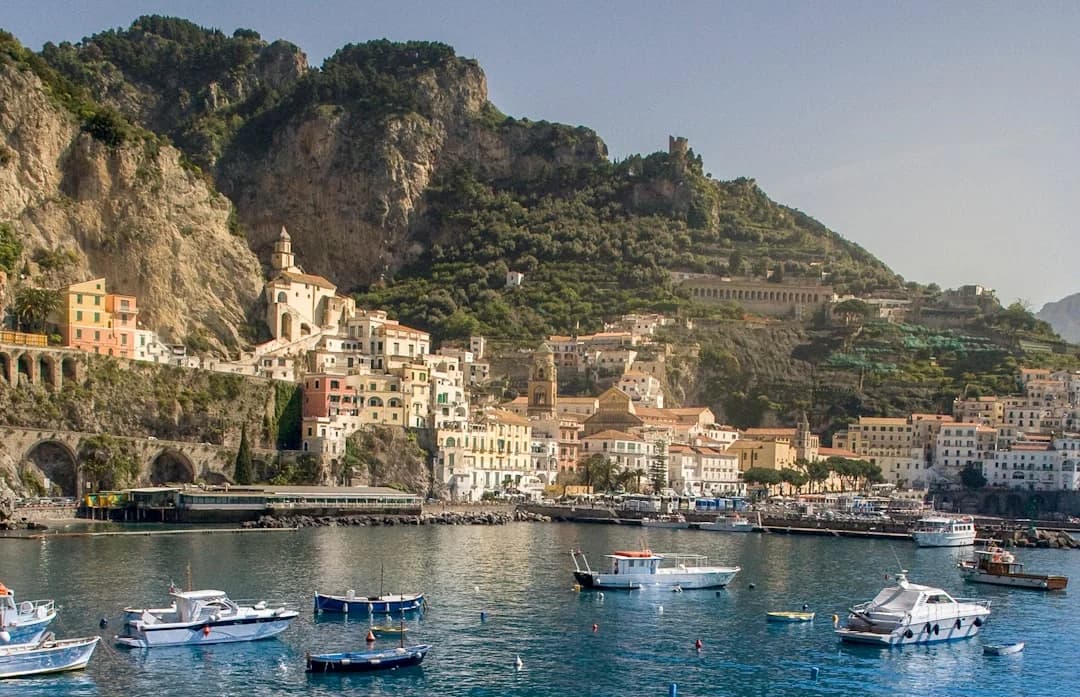
Sailing Amalfi Coast Guide: Ports, Anchorages & Rules
Sailing Amalfi Coast guide to Capri, Positano & Amalfi: best ports, anchorages, fees, VHF and rules. Plan your route—read now.
By Breezada Team
Dry Tortugas Sailing: Routes, Anchoring & Permits
Plan Dry Tortugas sailing from Key West with routes, weather windows, anchoring/moorings, and permits. Read the guide and plan your trip.
By Breezada Team
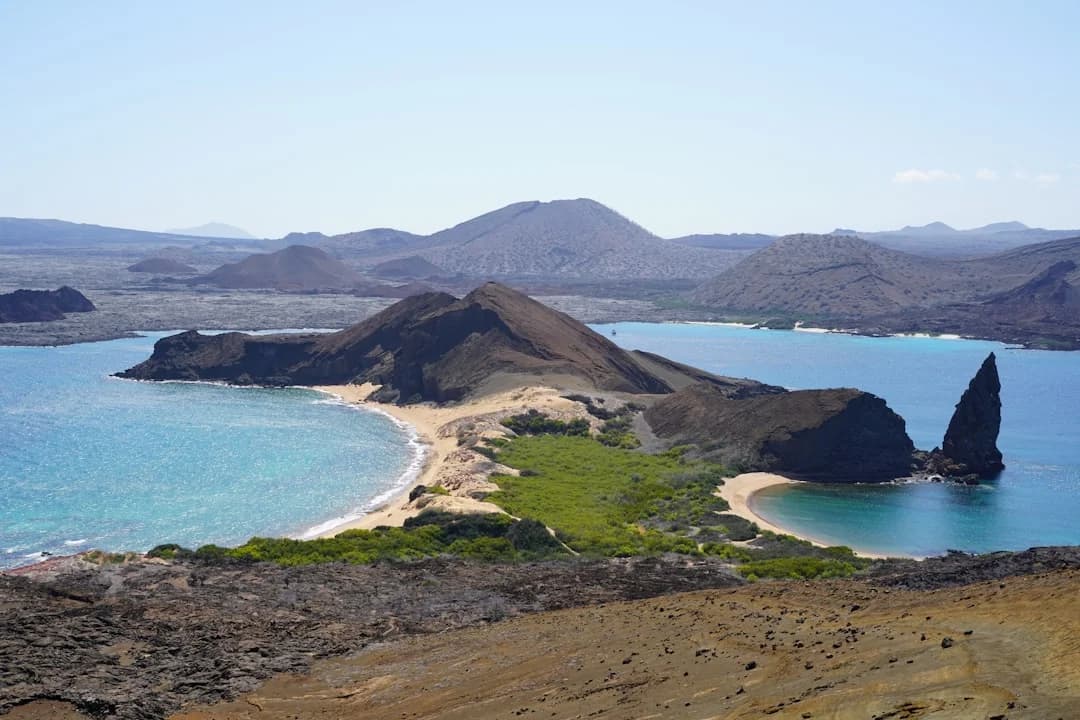
Sailing Galapagos Islands: Permits, Costs & Rules
Understand sailing Galapagos Islands permits, costs, and rules—plus clear-in steps, routes, and biosecurity. Plan your yacht trip now.
By Breezada Team
La Maddalena Sailing Itinerary: Quiet 7-Day Sardinia
Plan a La Maddalena sailing itinerary for a quiet 7-day Sardinia escape—routes, anchorages, rules and costs. Get the full day-by-day plan.
By Breezada Team