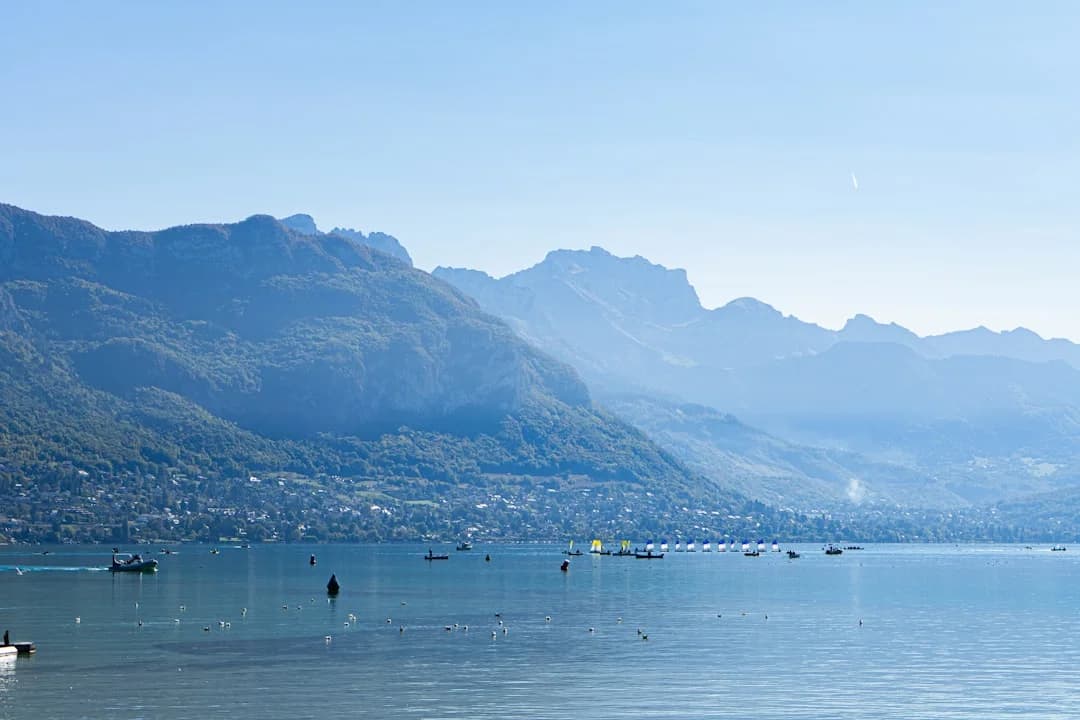
The best summer sailing destinations for families share a few non-negotiable qualities: warm water calm enough for kids to swim off the stern, short hops between anchorages so nobody gets cranky, reliable afternoon breezes that don't turn into survival conditions, and enough shoreside distractions — gelato, beaches, ruins — to keep everyone happy when the wind dies. After years of sailing with crews that included toddlers, teenagers, and everyone in between, I've narrowed it down to the regions that consistently deliver on all fronts.
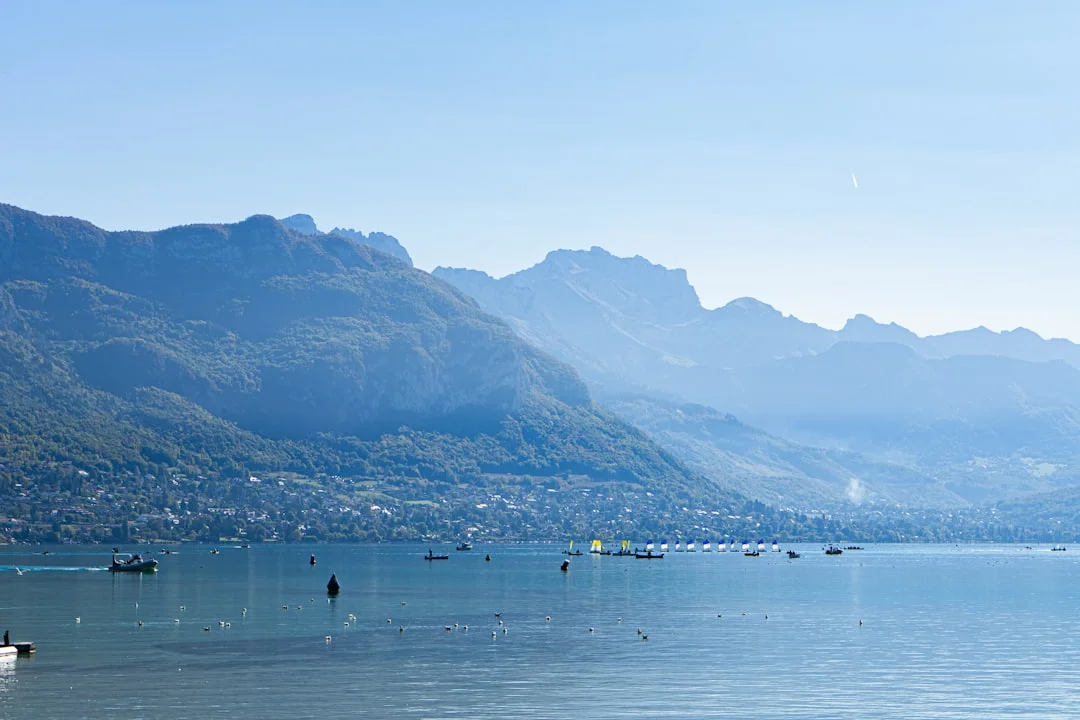
Photo by Yoko Saito on Unsplash
Greece: The Ionian Islands
If I had to pick one destination for a first-time family sailing trip, it would be the Ionian Islands on Greece's west coast. The Meltemi wind that hammers the Aegean barely touches this side of the country. Instead, you get predictable thermal breezes of 8–15 knots building through the afternoon and dying at sunset — perfect for a few hours of comfortable sailing followed by a calm anchorage.
The island spacing is the real magic here. Corfu to Paxos is roughly 30 nm, Paxos to Lefkada about 25 nm, and Lefkada to Ithaca around 20 nm. But you don't need to cover those full distances. Dozens of smaller bays and harbors sit in between, meaning you can keep daily passages under 10–15 nm — about two to three hours of sailing. That leaves the rest of the day for snorkeling in bays like Antipaxos's Voutoumi Beach, where the water is so clear it looks photoshopped.
Provisioning is straightforward. Every harbor town has a small supermarket, and most have bakeries that open early enough to grab fresh bread before the morning departure. Marina fees in the Ionians run €20–€40/night depending on season and size, though anchoring out is free and often preferable.
For families with older kids, the passage between Meganisi and Kalamos offers a beautiful day sail through the Inland Sea — a stretch of water so sheltered it barely qualifies as open sea. Teenagers who've never helmed before can take the wheel here without anyone's blood pressure spiking.
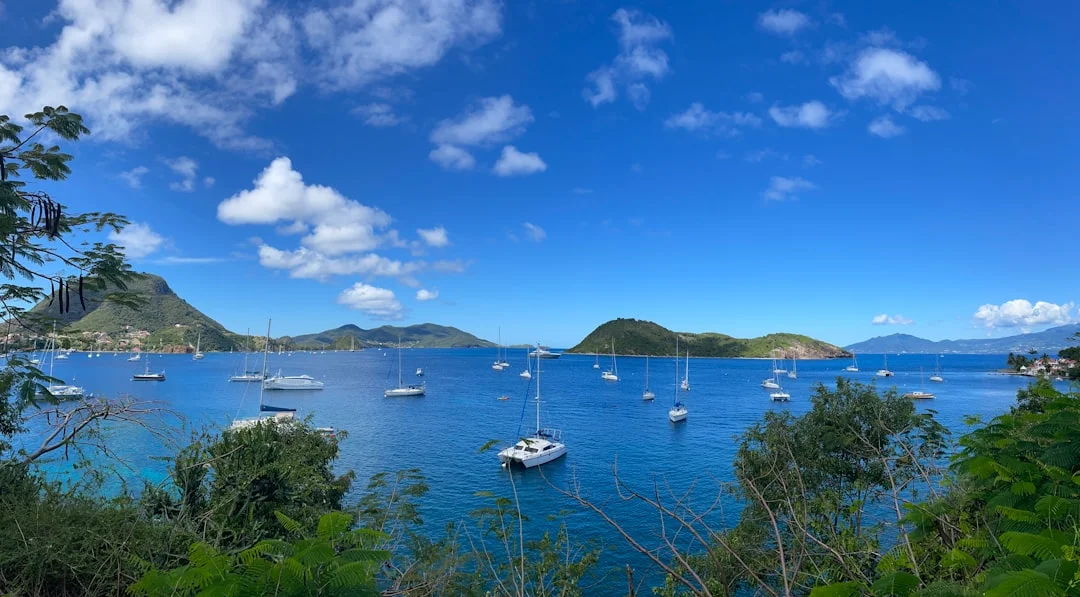
You can calculate the exact distance between Corfu and Lefkada to plan your daily legs. For a deeper look at the region, our Mediterranean sailing itinerary guide breaks down the best routes by sub-region.
Croatia: The Dalmatian Coast
Croatia has become the Mediterranean's most popular charter destination for good reason — the 1,244 islands create an almost infinite combination of routes, and the sailing infrastructure is world-class. For families, the stretch between Split and Dubrovnik is hard to beat.
The key advantage is protection. The islands run parallel to the mainland, creating channels where the sea rarely builds above a gentle chop. The dominant summer wind — the Maestral — blows from the northwest at 10–18 knots, typically from late morning to early evening. It's reliable enough to plan around and mild enough that it won't ruin lunch.
Hvar is the obvious highlight, with its car-free old town, lavender fields, and waterfront restaurants where kids can run around the piazza while parents finish a glass of Plavac Mali. But don't skip the Pakleni Islands just off Hvar's south coast — the anchorage at Palmižana is one of the most beautiful in the Adriatic, with a beach restaurant that manages to be both excellent and genuinely welcoming to sandy, sun-screened children.
From Hvar, Vis sits about 20 nm to the southwest. It's less touristed, with the famous Blue Cave at Biševo on its western tip. The passage is open water, so save it for a day with a good forecast. The return trip with a following Maestral is usually the highlight of the week. Sailors bringing their own boat from Italy will find the Adriatic crossing from the Italian coast well worth the overnight passage.
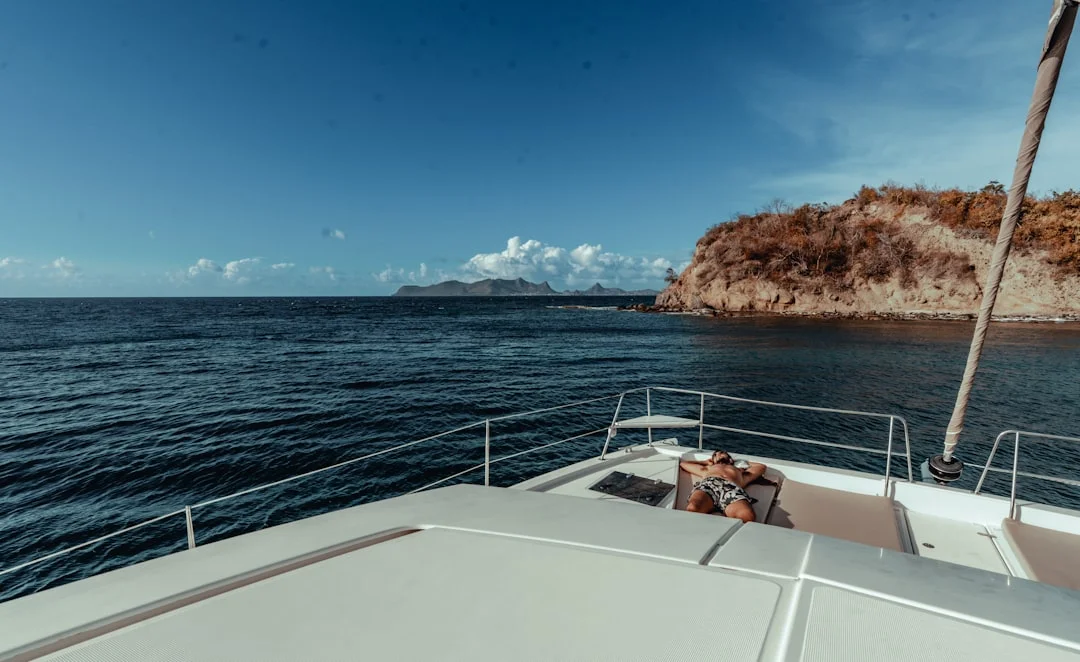
Photo by Hugh Whyte on Unsplash
Costs are higher than Greece. Marina berths in peak season (July–August) run €50–€120/night for a 40-foot boat. Eating out is comparable to Italy — budget €80–€120/day for a family of four dining ashore for lunch and dinner. Charter prices for a bareboat 40-footer start around €2,500/week in June and climb to €4,000+ in August.
| Destination | Daily Sail Distance | Wind (Summer) | Marina Cost/Night | Best For |
|---|---|---|---|---|
| Ionian Islands, Greece | 10–15 nm | 8–15 kt | €20–€40 | First-timers, young kids |
| Dalmatian Coast, Croatia | 15–25 nm | 10–18 kt | €50–€120 | Teens, culture, nightlife |
| Sardinia/Corsica | 20–40 nm | 10–20 kt | €60–€150 | Experienced families |
| BVI | 5–15 nm | 15–20 kt | $30–$50 (mooring) | Snorkeling, easy sailing |
| Balearic Islands, Spain | 15–30 nm | 8–18 kt | €40–€100 | Beach culture, variety |
The British Virgin Islands
The BVI is the Caribbean's easiest sailing ground, and it's purpose-built for families who want warm water without complicated navigation. The islands sit in a rough semicircle around the Sir Francis Drake Channel, a body of water rarely wider than 5 nm where you can almost always see your next destination from your current anchorage.
Passages here are short — Norman Island to Peter Island is 4 nm, Peter Island to Cooper Island about 3 nm, Cooper to Virgin Gorda roughly 10 nm. A typical week covers 50–70 nm total, which sounds lazy until you realize that the point isn't the sailing. It's the snorkeling at The Indians, the beach at White Bay on Jost Van Dyke, the Baths at Virgin Gorda where kids scramble through giant granite boulders.
The trade winds blow 15–20 knots from the east almost every day, year-round. This means reaching across the channel in both directions — the most comfortable point of sail. Seas inside the channel stay under 3 feet in normal conditions, though the open passages between islands (particularly between Tortola and Jost Van Dyke) can build a short, steep chop.
Mooring balls replace marinas here. The BVI National Parks Trust maintains moorings at most popular anchorages for $30–$50/night. Grabbing a mooring is easier than anchoring, which matters when you've got kids waiting to jump in. For accurate passage planning, use Breezada's sea distance calculator to check the exact nautical miles between islands.
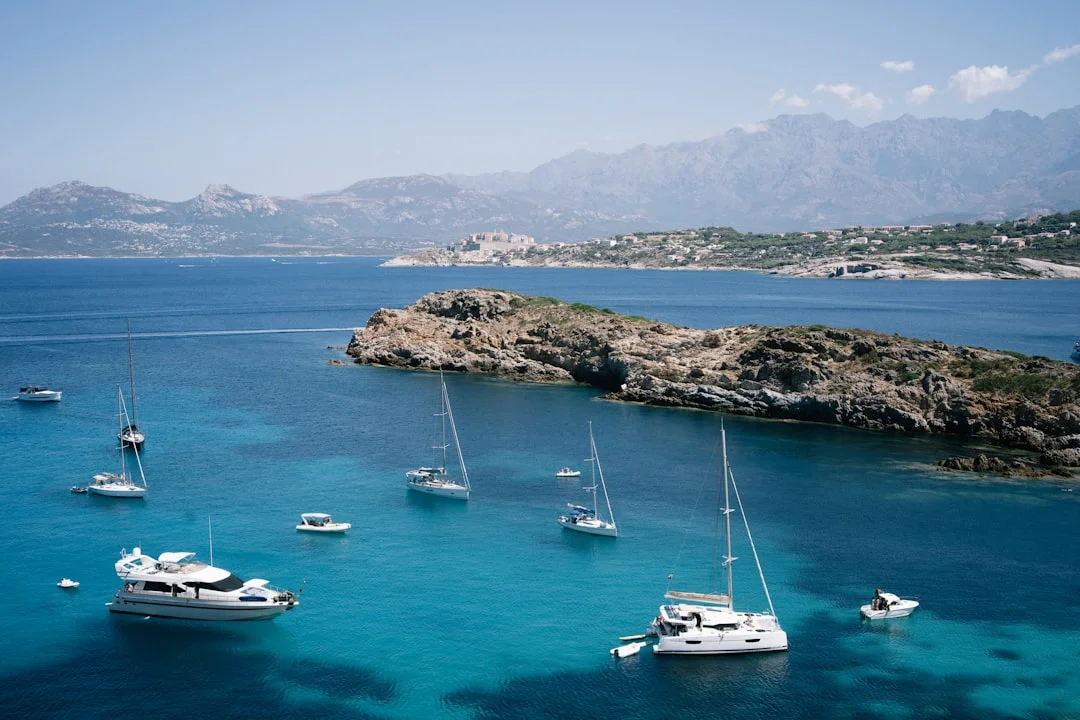
Photo by Fabian Bächli on Unsplash
Sardinia and Corsica
This pairing works best for families with sailing experience and kids old enough to handle slightly longer passages. The Strait of Bonifacio between southern Corsica and northern Sardinia is only 7 nm wide, but the wind accelerates through it and the current can be tricky. In settled conditions, though, the crossing is magnificent — and the Maddalena Archipelago on the Sardinia side is one of the most beautiful cruising grounds in the Mediterranean.
Start from Palau or La Maddalena in northeast Sardinia. The archipelago's granite islands, pink sand beaches, and translucent water rival anything in the Caribbean. Budelli, with its famous Spiaggia Rosa (landing prohibited, but you can anchor nearby and admire from the dinghy), and Spargi are particular highlights.
Cross to Corsica when the weather cooperates. Bonifacio itself is dramatic — a fortress town perched on white limestone cliffs at the top of a fjord-like harbor. The entrance is narrow and can be intimidating in a blow, but in summer conditions the steep cliffs actually shelter the channel. Inside, the marina is expensive (€100+/night in high season) but the town is worth at least one night.
North up Corsica's west coast, the Calanques de Piana are red granite sea cliffs that UNESCO listed for a reason. The anchorage at Girolata — accessible only by sea — is one of those places that makes you wonder why you'd ever sail anywhere else.
Wind warning: the Mistral can funnel through the Strait of Bonifacio with surprising violence, even in summer. Check GRIB files carefully and be prepared to wait a day in harbor. This is not a beginner destination.
The Balearic Islands
Mallorca, Menorca, Ibiza, and Formentera offer something for every family configuration. Mallorca's east coast is peppered with calas — small rocky coves with clear water and pine-shaded beaches. Many are inaccessible by road, which means arriving by boat feels like discovering a private beach.
The Cabrera Archipelago National Park, about 10 nm south of Mallorca, requires a permit for overnight stays but rewards the paperwork with pristine snorkeling and a medieval castle. Permits are available online and should be booked well in advance for July and August.
Menorca is quieter and less developed — ideal if your family prefers nature to nightlife. The south coast anchorages (Cala Macarella, Cala Turqueta, Cala Mitjana) are jewels, though they fill up by mid-morning in peak season. Arrive early or plan to anchor in the second row.
For families wanting to combine sailing with beach culture, the Ibiza to Formentera hop is unbeatable. The passage is only 10 nm, and Formentera's Ses Illetes beach consistently ranks among Europe's best. The water between the two islands is shallow and impossibly blue — ideal for younger swimmers.
Planning Your Family Sailing Trip
Choosing the Right Boat
For families with young children, a catamaran is almost always the better choice. The stability means less seasickness, the trampolines become a play area, and the shallow draft lets you anchor closer to beaches. A 40-foot catamaran sleeps 8–10 comfortably with proper separation between the adults' and kids' cabins. If you're weighing the differences, our guide on best sailing destinations in Europe covers regional considerations in more detail.
A monohull works fine for experienced sailing families who prefer the feel of a "real" sailboat under heel, but expect more complaints from passengers under 12.
When to Go
| Region | Best Months | Water Temp | Air Temp | Crowd Level |
|---|---|---|---|---|
| Ionian Islands | Jun–Sep | 22–26°C | 28–34°C | Moderate |
| Dalmatian Coast | Jun–Sep | 22–25°C | 27–32°C | High (Jul–Aug) |
| BVI | Dec–May | 26–28°C | 27–30°C | High (Dec–Apr) |
| Sardinia/Corsica | Jun–Sep | 21–25°C | 26–32°C | High (Aug) |
| Balearic Islands | May–Oct | 20–26°C | 24–32°C | Very High (Jul–Aug) |
June and September are the sweet spot for Mediterranean destinations — warm enough for swimming, calm enough for comfortable sailing, and less crowded than the July–August peak. For the BVI, April–May dodges the winter high season while staying well clear of hurricane season.
Safety Essentials for Families
Every boat should carry child-sized PFDs (personal flotation devices), and kids under 8 should wear them whenever they're on deck. Most charter companies provide them, but verify sizes during the boat handover — an ill-fitting PFD is worse than useless.
Establish clear cockpit rules on day one. Kids stay in the cockpit when the boat is moving. No going forward of the mast without an adult. Harness and tether required at night or in rough weather. These rules sound strict, but they become second nature within a day or two.
Seasickness: even in calm waters, the first day can be rough for anyone unused to the motion. Start with a short sail — two hours maximum — and keep ginger tablets or Dramamine on hand. Most people adapt within 24 hours.
Verify distances between your planned waypoints before departure to ensure your daily legs stay manageable. Nothing derails a family sailing holiday faster than a passage that turns out to be twice as long as expected.
Frequently Asked Questions
What is the best age to take children sailing?
Children as young as two or three can enjoy sailing, provided you choose a sheltered destination with short passages. The Ionian Islands and BVI are ideal for this age group. Kids under five won't remember the trip in detail, but they'll develop comfort around water and boats that pays off for years. Most charter companies require children to be at least 2 years old, and a catamaran with netting is strongly recommended for toddlers.
How much does a family sailing charter cost?
Costs vary enormously by destination and season. A bareboat monohull (38–42 ft) ranges from €1,500–€3,500/week, while a catamaran (40–45 ft) runs €2,500–€6,000/week. Add €150–€300 for mandatory extras (outboard fuel, end cleaning, dinghy deposit). Provisioning for a family of four costs roughly €400–€600/week if you cook aboard most meals. The BVI is significantly more expensive, with catamaran charters starting around $5,000/week in peak season.
Do I need a sailing license to charter a boat?
Requirements vary by country. Croatia requires an ICC (International Certificate of Competence) or equivalent national license plus a VHF radio operator's certificate. Greece requires proof of competence — an ICC, RYA Day Skipper, or ASA 104 all work. The BVI has no formal license requirement, but charter companies will check your sailing resume and may require a checkout sail. France (Corsica) requires no license for boats under 24m with engine under 6 CV, but a practical qualification is strongly recommended. If you lack credentials, a skippered charter adds roughly €150–€250/day for a qualified captain.
Is sailing safe for non-swimmers?
Yes, with precautions. Non-swimmers should wear PFDs at all times on deck and in the dinghy. Choose destinations with calm, shallow waters near the boat — the BVI and Ionian anchorages are excellent for this. Many families use the trip as an opportunity to build water confidence, starting with wading from the swim platform and gradually venturing further. A swim ladder at the stern is essential and standard on virtually all charter boats.
What should I pack for a family sailing trip?
Keep it minimal. Boat storage is limited, especially on monohulls. Essentials include: reef-safe sunscreen (SPF 50+), wide-brim hats, UV-protection rash guards for kids, soft-soled shoes (no black soles — they mark the deck), a lightweight waterproof jacket per person, snorkeling gear if not provided, motion sickness remedies, waterproof phone cases, and a headlamp for each family member. Pack everything in soft duffel bags — rigid suitcases don't fit in cabin lockers. Avoid bringing more than one change of clothes per day. Most families find they live in swimwear and rotate through two or three outfits.
When is hurricane season in the Caribbean?
The Atlantic hurricane season officially runs from June 1 through November 30, with peak activity between August and October. For the BVI and other Caribbean sailing destinations, the safe window is December through May. Some insurers won't cover boats in the hurricane zone after June 1, and many charter companies relocate their fleets or offer steep discounts for the shoulder months. If you're set on a Caribbean family trip, aim for February through April — settled weather, moderate trade winds, and slightly lower rates than the Christmas peak.
About the Author
Related Articles
Puget Sound Cruising Guide to Gulf Islands Routes
Plan routes, anchorages, and weather windows with this Puget Sound cruising guide for the Gulf Islands & San Juans. Read now and start plotting.
By Breezada Team
Sailing Amalfi Coast Guide: Ports, Anchorages & Rules
Sailing Amalfi Coast guide to Capri, Positano & Amalfi: best ports, anchorages, fees, VHF and rules. Plan your route—read now.
By Breezada Team
Dry Tortugas Sailing: Routes, Anchoring & Permits
Plan Dry Tortugas sailing from Key West with routes, weather windows, anchoring/moorings, and permits. Read the guide and plan your trip.
By Breezada Team
Sailing Galapagos Islands: Permits, Costs & Rules
Understand sailing Galapagos Islands permits, costs, and rules—plus clear-in steps, routes, and biosecurity. Plan your yacht trip now.
By Breezada Team