Bareboat Charter Checklist: Docs, Rules & Packing (2026)
A bareboat charter checklist isn’t a cute worksheet—it’s what keeps your first 24 hours from becoming a slow-motion argument at the charter desk. In 2026, bases are faster with e-signature workflows, stricter with competence screening, and still perfectly willing to bill you for a clogged head that “was like that already.”
Use the flow below the way working skippers do: qualifications first, documents second, money/risk third, then a bow-to-stern check-in with evidence, and only then worry about snorkel fins.
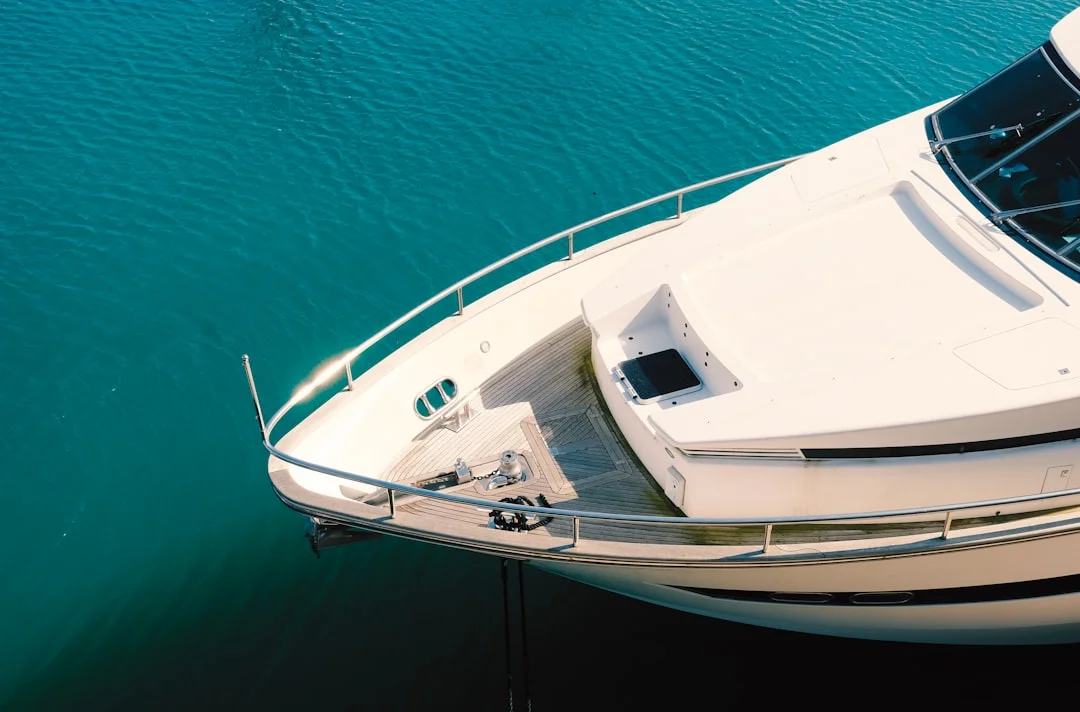
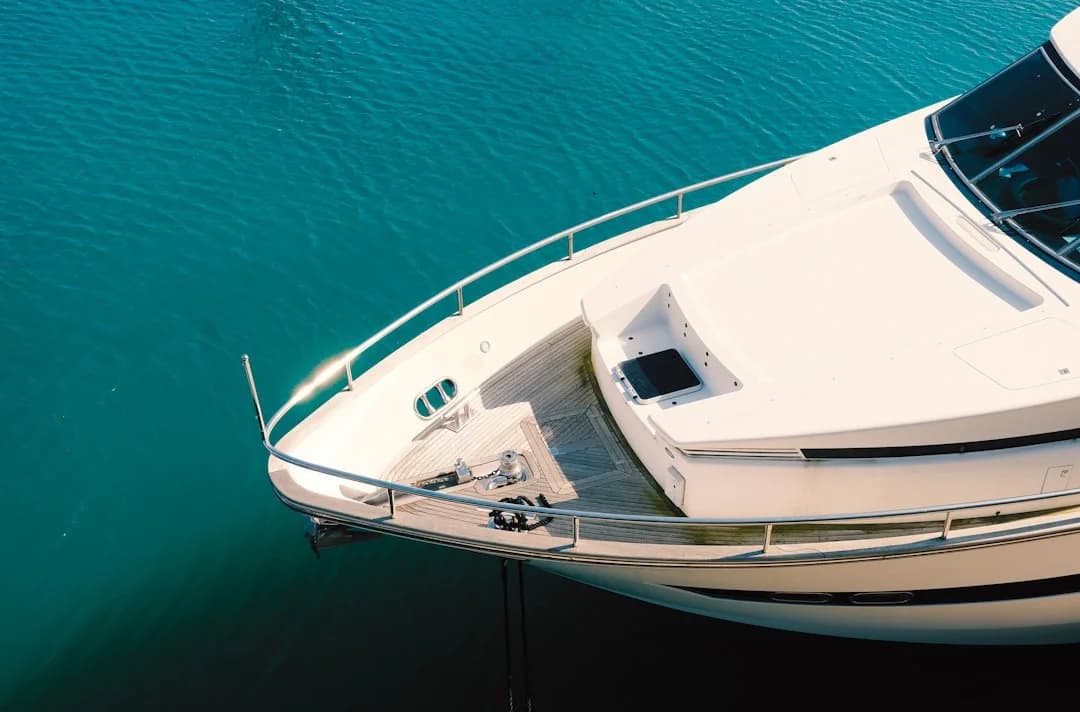
Photo by Luke Moss on Unsplash
Bareboat Charter Requirements in 2026 (Who Can Skipper)
Bareboat skipper qualifications are competence + experience, not just a plastic card. A base is lending you a 35–50 ft boat with expensive corners, a windlass that can bite, and an insurance policy that hates surprises. Expect them to validate your handling, your decision-making, and your ability to run systems without burning out the alternator or the crew.
Many bases run fixed check-in times—1600 is common—and the handover is where they decide if you’re truly “bareboat-ready.” Plan on 3–5 hours for paperwork, briefing, and inventory, and don’t schedule a heroic sunset departure on day one. Some operators also prohibit night sailing outright, or require nav-light checks and a clear docking plan before approving it.
Accepted proof of competence: ASA vs RYA vs ICC
Reality by region: ASA is commonly accepted in the Americas, RYA is widely recognized in Commonwealth markets, and the ICC is often requested in parts of Europe. That said, the only rule that matters is the one in the base manager’s inbox on your check-in day. “I read online it’s fine” is not a credential.
If you’re short on paperwork, the most common pathways are a checkout/practical assessment (often US$150–US$400) or hiring a captain for the first day. Some bases will restrict your cruising area or limit you to daylight-only operations until they’re comfortable with your boat handling. You can dislike that policy, but you can’t negotiate it at 5:10 p.m. when the dock office closes at 5:30.
When the base requires a checkout sail or captain
Checkout sails typically focus on: leaving the slip without drama, close-quarters control, anchoring with a proper set, and a clean approach back to a dock. Expect to demonstrate VHF procedures and, if fitted, basic DSC distress knowledge, plus a quick talk-through of your night-operation policy under COLREGs. Some bases want a navigation-light check specifically before approving any after-dark movement.
If you truly lack experience, hiring a professional captain at US$250–US$450/day + tip is often cheaper than buying gelcoat repairs with your security deposit. A good captain will also teach your crew the boat’s quirks—where the windlass breaker hides, which head is “temperamental,” and how to keep the dinghy from becoming an insurance claim.
Experience signals operators actually evaluate
Operators don’t just count miles; they look for relevance. They’ll ask about your recent trips (last 12–24 months matters), the biggest monohull/cat you’ve skippered (a 45 ft cat doesn’t handle like a 34 ft mono), and whether you’ve docked in crosswind. They also care about local knowledge—passes, swell patterns, tidal range—and your plan for conservative arrivals.
Operational expectations during handover are practical: can you anchor with a 5:1 scope baseline in settled weather, rig a snubber or bridle, and brief a no-fingers-near-chain rule. Can you run systems, respect battery limits, and keep the crew from flushing “marine wipes” (which are just expensive future invoices).
Bareboat Charter Documents Checklist (Bring + Upload)
A clean document package saves time and prevents the slow bleed of check-in delays. In 2026, most fleets accept pre-uploaded files, but marinas still have dead zones and Wi‑Fi that collapses when ten crews start streaming simultaneously. Bring digital copies, bring offline copies, and assume your phone will choose that moment to update itself.
Expect the base’s turnaround to include contracts, a competence review, and credit card authorization. Budget 3–5 hours for the full cycle if you’re on schedule and not arguing about a scratch that’s older than your crew’s group chat.
Identity, contracts, and payment authorization
Your core bareboat charter documents set is boring but non-negotiable: passport or government ID, the charter contract, your proof of competence (ASA/RYA/ICC or equivalent), and a credit card that can carry the hold for the security deposit. Deposits commonly run US$2,000–US$10,000+, and yes, the hold can tie up your card limit like a bad anchoring job ties up a mooring field.
Also bring any required immigration paperwork for the cruising ground, plus your travel insurance details if you have them. If you’re using provisioning delivery, keep that confirmation handy, because missing a delivery window at the base is an easy way to start your trip hungry and irritated.
Certificates, VHF/DSC details, and sailing resume
A strong sailing resume is the difference between a quick handover and a long interrogation. Include boat type, LOA, and drive type (saildrive vs shaft), plus conditions you’ve handled (crosswind docking, swell anchorages, night entrances—if permitted). Add dates, locations, and approximate skipper time; “I sail a lot” doesn’t help anyone.
On communications: in the US, recreational VHF is license-free domestically, but you still must know the DSC distress procedure. In many fleets the MMSI is vessel-based and already programmed, so your job is to confirm it’s displayed and understood, not to “fix” it. If you carry a handheld VHF, make sure your crew knows which radio is primary and where the distress script lives.
Digital workflow: offline copies + crew sharing
Do a digital-but-offline setup. Build a shared folder for your crew, then download critical PDFs to at least two phones plus one tablet in airplane mode. A simple structure works:
/Charter-Docs/Contract
/Charter-Docs/IDs
/Charter-Docs/Certs
/Charter-Docs/Inventory-Photos
Before handover, email the base a short checklist: crew list, ETA, provisioning delivery details, and any medical disclosures relevant to the safety briefing. It’s not oversharing—it’s preventing surprises when someone needs refrigerated meds and you’re discovering the fridge breaker mid-sentence.
Practical tip (docs): Put your skipper resume on one page, include your last 3 trips, and list the largest boat you’ve docked in 25+ kt winds. That’s the question they’re really asking, even if they don’t phrase it that way.
Money & Risk: Deposits, Waivers, Insurance, Fees
Bareboat charter money problems usually happen in two moments: when the deposit hold hits your card, and when checkout finds something “new.” Understanding the cost stack keeps you from treating the waiver like a scam or the deposit like a suggestion. It also helps you compare boats fairly; the cheapest weekly rate sometimes has the most expensive fine print.
Most charter bases run fixed checkout windows—0900 is common—and inspection takes 30–90 minutes. If you’re late, you can get billed; if you’re early but unprepared, you’ll still get billed.
Security deposit vs damage waiver (what changes)
A refundable security deposit is your exposure if you break things. Typical ranges are US$2,000–US$10,000+, often higher on 50–60 ft catamarans because everything costs more and hits harder. The deposit doesn’t mean you will pay it, but it’s the lever the contract uses to keep your attention.
A damage waiver or deposit-reduction product usually costs US$250–US$600/week. It typically lowers your exposure to a smaller deductible, often US$0–US$1,500, but it doesn’t make you immune to negligence, lost gear, or “operator error” clauses. Read the exclusions—dinghy/outboard claims are frequently treated differently than a scraped stanchion base.
Insurance requirements: liability, travel medical, add-ons
Bareboat charter insurance requirements vary. Some fleets include basic coverage and handle the vessel policy themselves, while others ask for proof of third-party liability or strongly recommend travel medical and evacuation coverage. If you’re sailing somewhere remote, medical evac can cost more than your weekly charter rate.
From a skipper’s standpoint, the practical question is: what happens if a crew member gets hurt, or if you touch someone else’s boat. Carry policy numbers offline, and keep emergency contacts written down because phones drown, crack, or mysteriously refuse to unlock when wet.
Common chargebacks at check-out (and how to avoid)
Top claim triggers are depressingly consistent: dock rash, windlass damage, dinghy/outboard misuse, clogged heads, lost equipment, and fuel return clauses. Fuel policies are usually “return full” or “pay to refill,” and marina diesel commonly runs US$4–US$8/gal in tourist marinas. If you’re paying to refill, don’t assume they’ll use highway prices or your math.
Avoid the classics: never power the windlass to “pull the boat up” to the anchor, keep the dinghy painter short, and teach guests what not to flush on day one. Before checkout, reconcile inventory, photograph high-risk areas, and run system checks (heads, bilges, nav lights) before you call the base. That 15 minutes is cheaper than a 3-email argument with accounting.
Charter Base Check-in Checklist (Bow-to-Stern Workflow)
A good check-in is boring, methodical, and slightly paranoid. You’re not being difficult; you’re creating clarity before you leave the dock. The base wants a fast turnaround, and you want a boat that works, a crew that understands it, and evidence that pre-existing damage wasn’t your “souvenir.”
Plan your handover like a job with roles and a clock. You typically have 3–5 hours, and the dock is loud, hot, and full of distractions—like other crews loudly explaining how they “totally know what they’re doing.”
Time-boxed handover plan (3–5 hours) + crew roles
Assign roles. Skipper drives the briefing and asks policy questions; an “engineer” handles engine/electrical/water; a “bosun” checks deck gear and ground tackle; a “quartermaster” runs inventory and takes photos. On a 40–45 ft charter cat you may have 600–1,200 Ah at 12V in the house bank; on a monohull you might see 300–600 Ah, and someone needs to know what that means for fridges and fans.
Time box it: first hour for paperwork and safety orientation, second for systems, third for inventory and defect log, and leave a buffer for fixes. If you find a real issue, politely insist it’s logged and acknowledged before you depart.
Systems orientation: engine, electrical, water, heads, LPG
Start the engines and physically confirm cooling water flow. Typical auxiliaries are 40–75 hp on 35–45 ft monohulls; cats commonly have twin 30–60 hp engines, and you should learn where each raw-water strainer and shutdown lives. Check oil, belts, and how to read the tach and temperature alarms.
On water, know tank capacity and consumption. Monohulls often carry 50–120 gal (190–450 L); cats often carry 150–250 gal (570–950 L), which breeds false confidence. For heads, get the exact flush procedure and holding tank rules; sanitation compliance ties to local rules and 33 CFR Part 159 in US waters.
For LPG, learn the locker location, solenoid switch, and shutoff sequence. Typical usage is around one 10–20 lb (4.5–9 kg) cylinder/week for 4–6 people, but oven-heavy crews can burn more than they admit.
Inventory + evidence: photos, video, and defect log
Your evidence protocol should be consistent: date-stamped photos of hull corners, topsides near docking points, rudders/props, bimini, sails, and anything inflatable. Photograph the dinghy tubes along seams and transom, and the outboard skeg/prop from both sides. Take a quick video sweep of the cockpit, helm, and electronics powering up.
For ground tackle, confirm what you’ve got: many fleets provide 2–3 anchors, with a primary often around 20–35 kg on a 40–50 ft cat and 16–25 kg on a 35–45 ft monohull. Chain is commonly 50–80 m of 8–10 mm, sometimes all-chain to 60–100 m, and you need to know what your boat actually carries before you choose an anchorage at 1700.
Ask the local questions before you leave: prohibited anchorages, reef protection zones, swell wrap spots, dinghy-at-night rules, and who answers the emergency phone after hours. The base has seen the local mistakes; you don’t need to contribute a new one.
Practical tip (check-in): Take “corner photos” at chest height and knee height on each quarter, plus a close-up of every rub rail break. Gelcoat arguments almost always start at those spots.
Safety & Compliance Checklist (USCG, ABYC, Local Rules)
Safety gear on charter boats is often “there,” but not always “ready.” Your job is to confirm carriage items, verify they fit your crew, and ensure you can actually use them when wet, tired, and mildly annoyed. Regulations vary by flag and cruising ground, but the failure modes are universal.
This is where standards help. USCG carriage requirements set the baseline, while ABYC standards offer practical best practices for how systems should be arranged and used. You don’t need to quote chapter and verse at the dock; you do need to check what matters.
Carriage requirements to verify (not assume)
Verify PFD count and sizing: at least one approved lifejacket per person, plus a throwable device (USCG typical expectation). If you have children aboard, confirm child sizes exist—“small adult” is not a child PFD. Check for a sound-producing device and visual distress signals (VDS) where required, and confirm flare expiry if flares are carried and enforced locally.
Fire extinguishers: check gauges are in the green and units are accessible, not buried behind someone’s beach bag. On many 40–50 ft yachts you’ll see 2–4 portable extinguishers, and you should know where they are without a scavenger hunt. Confirm navigation lights work; night-operation policies often hinge on that check, consistent with COLREGs and ABYC’s navigation-light guidance (ABYC A-16 context).
ABYC-informed safety checks you can do on the dock
Reboarding matters more than people admit. Confirm the swim ladder works, deploys easily, and is usable by the least athletic person aboard, which aligns with the intent behind ABYC H-41 (reboarding means, ladders, handholds). If the ladder requires acrobatics, fix the plan now, not after someone falls in.
Learn fuel shutoffs and basic safety around the engine space, consistent with ABYC H-33 (diesel) and H-24 (gasoline) concepts. For electrical, know shore power breaker location, battery switches, and inverter limits, and keep wet hands away from improvised “charging stations,” which is basic ABYC E-11 common sense. For LPG, understand solenoid practice and locker ventilation concepts aligned with ABYC A-1 and ventilation guidance (ABYC H-2 ideas).
Dinghy, MOB recovery, and night-operation readiness
Dinghy norms are typically 2.6–3.2 m with 6–15 hp outboards. Many bases require PFDs in the dinghy and restrict night runs, and those rules aren’t negotiable once you’ve left the dock. Practice the outboard kill cord and teach the crew how to start it without flooding it, because “it won’t start” is a common prelude to bad decisions.
Brief MOB recovery with the gear you actually have: Lifesling, floating line, or a simple heave-to approach, depending on boat and crew. In tropical areas, squalls can gust 25–35 kt, so confirm reef points and practice the first reef at the dock. A reef put in early is seamanship; a reef put in late is how you learn what your traveler is made of.
What to Pack for a Bareboat Charter (By System & Use)
Packing for a bareboat is less about fashion and more about friction. You’re living in a small, moving space with wet feet, limited outlets, and lockers designed by someone who hates suitcases. If you pack smart, the boat stays organized and the crew stays calm; if you pack hard luggage, the cabins become storage units with beds.
Assume the boat has basic galley gear and bedding per contract, but don’t assume it has your preferred sun protection, meds, or charging setup. Your bareboat charter packing list should be built around safety on deck, dryness in the dinghy, and power management.
Clothing and footwear for deck safety and sun load
Bring non-marking deck shoes with real grip; black soles that mark decks are a fast way to meet the base’s cleaning fee policies. Add one pair of closed-toe shoes you can wear while anchoring or handling lines, because toes and cleats have an ongoing feud. For sun, pack a UPF long-sleeve shirt, a hat with a retention strap that survives 20+ kt breeze, and reef-safe sunscreen suitable for high UV.
Soft luggage only: a duffel that squashes into a locker beats a rolling suitcase every time. Pack compressible layers and limit “just in case” outfits; laundry is rare and wet gear multiplies. If you’re in the tropics, plan to be damp daily and comfortable anyway.
Electronics, power, and navigation tools (offline-first)
Boats often have limited outlets, and inverters aren’t magic. Build a kit around USB charging: a compact 12V/USB‑C PD adapter (30–60 W class), spare cables, and headlamps for each crewmember. Use waterproof phone cases—IPX8-rated models are commonly US$10–US$40—because the dinghy is where phones go to die.
For navigation, preload the area in Navionics (or similar) for offline use and carry a paper backup for critical pilotage. Also run a sanity check on distances between stops; check the nautical miles between ports so you can pressure-test your “that looks close” optimism. Save key waypoints and passes offline, and confirm your daylight arrival windows.
Medical, tools, and personal safety add-ons
Bring seasickness meds, blister care, and a compact marine first-aid kit. Basic kits typically run US$80–US$250, while expedition-level kits can be US$300–US$600; choose based on remoteness and crew needs. Add any prescription meds in original packaging, plus a written list of allergies and emergency contacts.
For personal safety, a handheld waterproof VHF (often US$100–US$250) is a good backup for dinghy runs or a separated crew. A personal AIS MOB beacon can run US$200–US$450 and is optional, but it’s one of the few gadgets that directly improves survival odds in real water time. Dry bags in the 10–20 L range per person make daily dinghy trips less chaotic and keep passports from becoming papier-mâché.
Provisioning, Fuel & Route Planning (Quantities + Distances)
Provisioning is where good intentions go to die in a warm fridge. The trick is to plan meals that match storage, plan drinks that match ice reality, and plan routes that match daylight and distances. Overbuying creates waste and a sinking feeling every time you open the cooler; underbuying creates expensive marina runs.
This section is also where tools help. Breezada’s sea distance calculator is handy for turning “we’ll just hop over there” into a real mileage number you can use for fuel, arrival timing, and crew expectations.
Provisioning math: water, ice, meals, and storage reality
Use numbers, not vibes. Drinking water baseline is 2–4 L per person/day, and in hot, high-activity weeks you’ll live near the top of that range. Tank capacity matters: monohulls often carry 50–120 gal (190–450 L), while cats often carry 150–250 gal (570–950 L), but that doesn’t mean you should waste it with long rinses and daily freshwater deck showers.
Ice is the stealth budget item. If you don’t have a freezer or ice maker, expect frequent resupply; typical bag ice is 7–10 lb (3–4.5 kg) and commonly costs US$4–US$10/bag at tourist marinas. Plan meals that tolerate heat and motion, and don’t build a week around ingredients that die fast once the fridge starts cycling hard at anchor.
Fuel/LPG planning + end-of-charter return clauses
Understand your fuel clause: “return full” means you’ll likely visit a fuel dock on the final day, while “pay to refill” means you’ll pay their rate and their rounding. Marina diesel often runs US$4–US$8/gal, and it’s rarely cheaper on the water. Before you guess what motoring will cost, estimate your fuel needs based on the voyage distance and your boat’s typical burn rate, then add a reserve for calm days and extra docking attempts.
For cooking gas, a typical charter burn rate is one 10–20 lb (4.5–9 kg) LPG cylinder/week for 4–6 people, depending on how much you use the oven. Learn the swap/refill process and what to do if the solenoid trips or the sniffer alarm complains. Most “LPG emergencies” are actually “someone left a valve open” incidents.
Route planning and sea distance checks (apps + sanity rules)
Do three checks before you commit to an itinerary: distance, daylight, and bailout options. Plan your route using a sea distance calculator, then compare that to your realistic speed under sail and power. It’s not about racing; it’s about arriving with time to anchor twice if the first set drags.
Factor tides and currents where relevant. Tidal range can be <1 ft in parts of the Caribbean but 6–12 ft+ on many Atlantic coasts, which changes depth, anchoring room, and whether you can enter a shallow bay at low water. Mediterranean charter grounds like the French Riviera and Corsica have negligible tides but their own constraints — Mistral events that can pin you in port, marinas that book out months ahead, and shipping-lane crossings such as the Sicily to Malta passage that demand AIS and proper night watches. Tropical charter grounds bring different planning concerns again — the Phuket-to-Langkawi run down the Andaman Sea, for example, has negligible tidal complications but a hard monsoon-timing window and afternoon squalls that reshape your daylight budget. Build a conservative reserve mindset: keep extra water for a no-refill day, and extra fuel for unexpected motoring when the wind doesn’t read your itinerary.
Practical tip (planning): If your plan requires arriving after 1700, assume you’ll anchor in poor light at least once. Reduce the leg length or pick a stop with an easy, wide anchorage and known holding.
FAQ
For a bareboat charter, what skipper qualifications are typically accepted if I have ASA 104 but no ICC—will a base substitute a checkout sail, and what does that assessment usually include?
Often, yes—but it’s base-specific. Many Americas-based fleets accept ASA 104 plus a solid sailing resume, while some European areas more commonly request an ICC (and sometimes local endorsements). If they require a checkout, expect a US$150–US$400 assessment covering close-quarters handling, anchoring and setting, basic navigation expectations, and VHF procedures including DSC distress awareness.
How do I document pre-existing damage during charter base check-in so it’s defensible against the security deposit—what angles and components should be photographed (dinghy tubes, outboard skeg/prop, hull corners, sails)?
Take date-stamped photos in a repeatable pattern: both stern quarters at chest and knee height, bow sections near the stem, and each topside corner where docking contact happens. For the dinghy, photograph the tubes along seams, the transom corners, and any patches; for the outboard, shoot the skeg and prop from both sides and straight-on. Add a quick video sweep of cockpit/helm and sails laid out or partially hoisted if allowed, then log defects in writing with the base acknowledging them.
If the boat has DSC VHF, what exactly should I verify about MMSI programming and the distress procedure during handover, and where should the vessel MMSI be displayed?
Confirm the DSC radio shows an MMSI (often vessel-based in fleets) and ask the staff to point out the distress function steps. Verify the distress script location, the primary VHF channel policy (usually Ch 16 for hailing/distress where applicable), and how the GPS position feeds the radio. The MMSI is commonly displayed on the radio screen, sometimes on a label near the set, and should be written into the boat’s briefing notes.
What inventory and function tests should I run on the windlass/ground tackle (breaker, remote, chain counter, snubber/bridle) and what rode length/chain type is typical on 40–50 ft charter boats?
Test the windlass breaker, the foot switches or remote, and confirm you can free-fall (if fitted) and recover under control. If there’s a chain counter, verify it reads sensibly and confirm the “zero” reference point, because counters lie the way fishermen do. Typical rode is 50–80 m of 8–10 mm chain, sometimes 60–100 m all-chain, and many fleets carry 2–3 anchors; ask which one is primary and how they want you to rig a snubber or bridle.
How should I calculate water and fuel needs for a 7-day itinerary using tank capacities (monohull vs catamaran) and planned sea distances between anchorages, including a conservative reserve?
Start with drinking water: 2–4 L per person/day, then add cooking and basic dishwashing, and decide whether you’ll conserve or refill. Compare your tankage—monohulls often 50–120 gal (190–450 L), cats often 150–250 gal (570–950 L)—and keep a conservative buffer for at least one extra day in case a dock is busy or a pump is out. For fuel, compute leg distances (Breezada’s sea distance calculator is useful), estimate motoring hours, then add reserve for calm days and docking practice; don’t plan to arrive on fumes just to “use it up.”
Conclusion: Printable, Role-Based Bareboat Charter Checklist (Real Check-In Flow)
Print this and run it like a crew brief. It mirrors the way a disciplined skipper keeps a charter week cheap, safe, and mostly relaxing.
1) Skipper requirements (before travel)
- Confirm base-accepted competence proof (ASA/RYA/ICC) + submit sailing resume.
- Clarify night-sailing policy, cruising-area restrictions, and checkout requirements (US$150–US$400 if needed).
- Book captain day-rate if required (US$250–US$450/day + tip).
2) Documents (upload + offline)
- Passport/ID, signed contract, certificates, sailing resume/logbook.
- Credit card ready for US$2,000–US$10,000+ deposit hold or waiver terms (US$250–US$600/week, deductible often US$0–US$1,500).
- Shared folder + offline copies: /Contract, /IDs, /Certs, /Inventory-Photos.
3) Money & risk (before leaving the dock)
- Understand fuel clause (“return full” vs “pay to refill”), diesel often US$4–US$8/gal.
- Know common claim triggers: heads, dinghy/outboard, windlass, dock rash, missing gear.
- Plan checkout timing (30–90 minutes, often fixed 0900).
4) Bow-to-stern check-in inspection (with roles)
- Ground tackle → deck gear → rig/sails → helm/electronics → engines → heads/plumbing → galley/LPG → safety gear → dinghy/outboard.
- Test: engine cooling flow, bilge pumps, windlass breaker/remote, nav lights, head operation rules.
- Evidence: date-stamped photos of corners, props/rudders, sails, dinghy tubes, outboard skeg/prop.
5) Safety & compliance
- Verify PFD count/sizes + throwable, extinguishers (2–4 common), VDS/flares as required, nav lights (COLREGs/ABYC A-16 context).
- Reboarding ladder readiness (ABYC H-41 intent), fuel shutoffs (ABYC H-33/H-24 concepts), shore power safety (ABYC E-11).
- Dinghy rules: PFDs, night restrictions, 2.6–3.2 m dinghy with 6–15 hp outboard typical.
6) Pack + provision based on constraints
- Soft duffels only, dry bag 10–20 L/person, IPX8 phone case US$10–US$40.
- First aid US$80–US$250, handheld VHF US$100–US$250, AIS MOB optional US$200–US$450.
- Water plan 2–4 L/person/day, ice bags 7–10 lb at US$4–US$10, LPG about 10–20 lb/week for 4–6.
7) Route planning
- Compute distances between stops (use Breezada’s sea distance calculator), then sanity-check daylight arrivals and bailout anchorages.
- Factor tidal range (from <1 ft to 6–12 ft+) and squall gust potential (25–35 kt in tropics).
If you want one mindset to carry aboard: be the skipper who leaves a paper trail and arrives with daylight. The charter week gets cheaper and calmer from there.
About the Author
Related Articles
Composting Toilet Sailboat: Manual vs Electric vs Composting
Compare marine head options—manual, electric, composting—costs, rules, and odor control. Choose the right setup for your boat. Read now.
By Breezada Team
How to Fuel a Boat: Fuel Dock Etiquette & Safety
Learn how to fuel a boat safely with fuel dock etiquette, diesel vs gas tips, and spill prevention. Follow our step-by-step checklist before you pump.
By Breezada Team

Float Plan Template: What to Include & Update
Use this float plan template with examples, check-ins, and shore contact tips. Copy the form and update it before every trip—stay SAR-ready.
By Breezada Team

Used Sailboat Survey Checklist: Sea Trial Red Flags
Use this used sailboat survey checklist to spot sea trial red flags, estimate survey costs, and negotiate smarter. Download the checklist now.
By Breezada Team